Mortuary Temple of Hatshepsut (Deir el‑Bahari), Luxor
Admission includes the temple terraces, chapels and courtyards at Deir el-Bahari; opening hours vary by season, so check before visiting.
At a glance
- Departs
- Daily
The short answer
Mortuary Temple of Hatshepsut Entry Ticket grants admission to the temple at Deir el-Bahari in Luxor, booked and arranged by Discovery Tours Egypt.
- Archaeology & history
- Cultural
Snapshot
Good to know
- Time to allow
- Self-paced; check seasonal opening hours
- Travel style
- Self-Guided Entry
- Arranged by
- Arranged by Discovery Tours Egypt
- Destinations
- Mortuary Temple of Hatshepsut, Deir el-Bahari
- Includes
- Entry to the Mortuary Temple of Hatshepsut · Access to the temple terraces · Access to the inner courts · Access to the chapels
- Best for
- Ancient Egypt enthusiasts · Independent travellers · Architecture and archaeology visitors
Best time to go
October to April is generally more comfortable, with Luxor daytime temperatures often around 22–32°C; arriving early helps avoid heat and mid-morning crowds. From May to September, temperatures can exceed 35°C, so an early visit is advisable. Winter travel periods can be busier, while Ramadan may affect local services and opening patterns; check current hours before setting out.
- Discovery Tours Egypt is a licensed Egyptian tour operator.
- The ticket is delivered by email as a PDF after booking confirmation.
- The ticket provides admission to the Mortuary Temple of Hatshepsut’s public visitor areas.
- The ticket scope and exclusions are stated before booking.
02Overview
A first look
Deir el-Bahari lies beneath the west-bank cliffs directly across from the modern city of Luxor. The temple was commissioned by Queen Hatshepsut and is part of the UNESCO World Heritage Site 'Thebes with its Necropolis' (1979).
Background
The facts
The Mortuary Temple of Hatshepsut stands at Deir el-Bahari on Luxor’s West Bank. It is a royal funerary complex built for Pharaoh Hatshepsut, who ruled during Egypt’s 18th Dynasty in the 15th century BCE.
Its terraces and courts are set against the limestone cliffs of Deir el-Bahari. Public admission covers the terraces, inner courts, chapels and main visitor areas; some parts may be closed or restricted during conservation work.
Surviving reliefs include scenes associated with Hatshepsut’s reign, among them the expedition to Punt. The temple provides evidence of New Kingdom royal mortuary architecture and preserves sculpture and carved decoration in its original cliffside setting.
Opening hours vary by season, so check the official site before visiting. Early morning can mean cooler conditions and lighter crowds, particularly in hotter months. Photography rules can vary; check at the entrance. The ticket is emailed as a PDF after booking. Print it if unsure whether the entrance accepts a screen display.
Named in this entry
Hatshepsut’s Mortuary Temple·Deir el-Bahari·Hatshepsut·Luxor·Luxor West Bank·Punt·Thebes·Nile·18th Dynasty·New Kingdom
Suited to
Is this for you?
Yes, if
- This entry ticket suits independent travellers, history-focused visitors and photographers who want time to study Hatshepsut’s 18th Dynasty temple. It can suit families with school-age children and teenagers who are comfortable walking outdoors on uneven ground.
Maybe not, if
- Choose another site or arrange mobility support if steps and uneven ancient surfaces are difficult for you. The open-air terraces can be tiring in Luxor’s summer heat, especially later in the day.
What lingers
- 01Terraced Mortuary Temple of Hatshepsut (Deir el-Bahari) on Luxor West Bank; part of Theban Necropolis (UNESCO World Heritage).
- 02Built for Queen Hatshepsut (18th Dynasty, c.1479–1458 BCE) and designed by Senenmut; terraces, ramps and colonnades remain.
- 03Reliefs portray Hatshepsut’s divine birth and the Punt expedition – key subjects our Egyptologists explain on-site.
- 04Visit early morning to avoid coach crowds and strong midday sun; limited shade across the terraces.
- 05Unlike Valley of the Kings visits, our private Hatshepsut tours allow two full hours for detailed relief study.
Worth knowing
How this compares
Many West Bank packages combine site admission with other visits; this product is a standalone entry ticket for the Mortuary Temple of Hatshepsut. It does not include transport or a professional Egyptologist guide, which can be arranged separately.
The fine print
What's included – and what is left out
Included
- Entry ticket to the Mortuary Temple of Hatshepsut at Deir el-Bahari, sent by email as a PDF
Not included
- Professional Egyptology-led visit, booked separately if required
- Travel to and from the site
- Food and beverages
- Photography permit, where applicable; check the rules at the entrance
- Entry fees for pyramid or tomb interiors not listed as included
Field notes
From our Egyptologists
- 01
Check the official site shortly before your visit, as opening hours vary seasonally.
- 02
Arrive early in hotter months to visit in cooler conditions and avoid some mid-morning crowds.
- 03
Print the emailed PDF if you cannot confirm that the entrance accepts mobile tickets.
- 04
Check current photography rules at the entrance before taking photographs.
Tailor it
Make it yours
This is a standalone entry ticket, not a guided visit, and transport is not included. You can arrange other Luxor West Bank sites separately and set your own pace; the ticket does not include meals or photography permits where required.
Your own specialist deals with each request before you book.
Where it fits
Add this entry ticket to a Luxor West Bank visit alongside the Valley of the Kings and the Ramesseum. The temple stands beneath the Deir el-Bahari cliffs, about 5 km from the Colossi of Memnon.
While you're here
Worth pairing
- Ramesseum3 km
- The Kings’ Valley5 km
- Colossi of Memnon5 km
- Medinet Habu7 km
Why book this with us
Three reasons, stated plainly
01
PDF ticket sent by email after booking confirmation
02
Visit at your own pace among the West Bank sites
03
Ticket arranged separately from transport and other admissions
·In summary
Hatshepsut’s mortuary temple at Deir el-Bahari was built during the 18th Dynasty, when she ruled in the 15th century BCE. Its public areas include terraces, inner courts and chapels, with surviving reliefs depicting the expedition to Punt.
Asked & answered
Frequent questions
01How do I get to the Mortuary Temple of Hatshepsut from Luxor?
The Mortuary Temple of Hatshepsut sits on Luxor's West Bank at Deir el‑Bahari, reachable by road and a short walk from the Nile ferry. We can arrange a private car from your East Bank hotel; drivers usually drop at the West Bank parking area and it's a brief, mostly paved approach to the terraces. Expect some uphill ramps and steps between the parking area and the lower colonnades; we recommend closed shoes and a sun hat for the walk.02How long should I allow to visit Deir el‑Bahari (Hatshepsut temple)?
Allow between 60 and 90 minutes to see Deir el‑Bahari and study the main reliefs. If you pair the visit with the Valley of the Kings or other West Bank sites, plan a half‑day. Unlike typical 30‑minute cruise‑ship stop‑offs, at least an hour permits clearer viewing and time for questions with a guide.03Why is the Mortuary Temple of Hatshepsut important?
The temple is a 15th‑century BCE mortuary complex built for Queen Hatshepsut and attributed to the architect Senenmut. It stands against the cliffs of Deir el‑Bahari and forms part of the Theban Necropolis UNESCO World Heritage Site; its reliefs depict the Punt expedition and Hatshepsut’s divine birth. The terraces, colonnades and surviving painted scenes provide key evidence for New Kingdom state religion and royal propaganda.04Is the Mortuary Temple of Hatshepsut accessible for wheelchair users?
Access is limited: there are paved ramps, steep terraces and uneven ancient stone at Deir el‑Bahari. Level access exists around the lower approach and parking area, but reaching upper terraces requires negotiating steps or steep ramps, which many standard wheelchairs find difficult. Contact us in advance – we can arrange closer vehicle drop‑off where permitted and advise on transfer assistance, but the site is not fully wheelchair‑accessible.05Can I take photographs at the Mortuary Temple of Hatshepsut? Are tripods allowed?
Photography for personal use is generally permitted at Deir el‑Bahari; flash and tripods may be restricted by site guards. Commercial filming, drones or professional equipment typically require permits and fees from the Antiquities authorities – please clear these with us before arrival. Be respectful when photographing people and worship areas, and follow any instructions from on‑site staff.06What is the best time of day to visit Deir el‑Bahari?
Early morning or late afternoon offers cooler temperatures and better light at Deir el‑Bahari. Midday brings strong sun and limited shade on the terraces, which can make detailed viewing and photography harder; during Ramadan opening hours can change, so check in advance. We recommend scheduling early slots where possible to avoid heat and larger mid‑day crowds.
Last updated 8 March 2025Product ID: TKT-LUX-328369
You Might Also Like
 Luxor
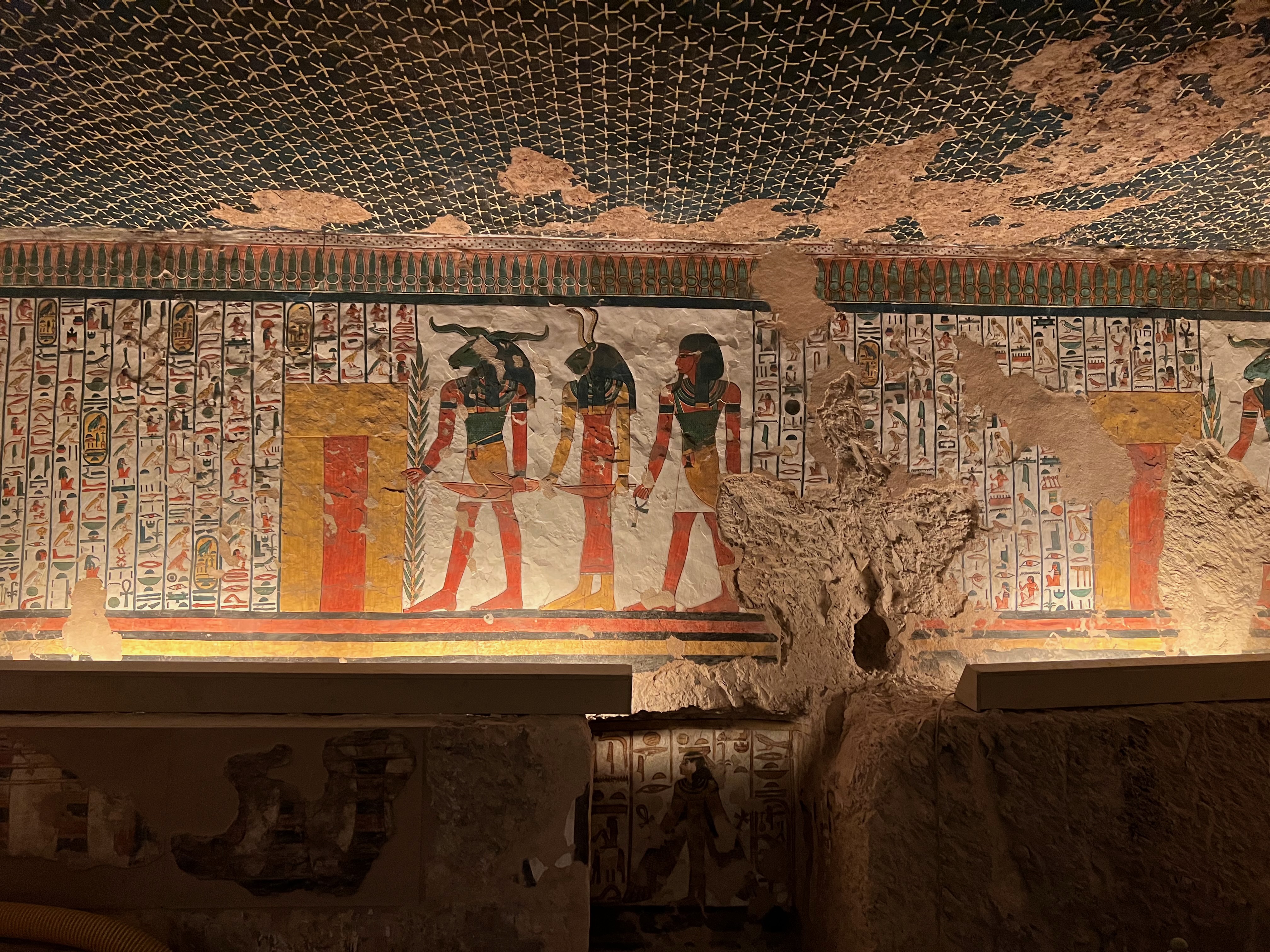
LuxorTomb of Nefertari, Valley of the Queens – Luxor
The Tomb of Nefertari (QV66) is in the Valley of the Queens on Luxor's West Bank and is notable for richly coloured wall paintings. QV66 is the burial of Queen Nefertari, consort of Ramesses II, and sits within the Theban Necropolis UNESCO World Heritage Site. Entry to the tomb requires a separate premium ticket and is often limited for conservation; photography is prohibited and the tomb can close for preservation work. We do not run large coach tours to QV66 – we arrange private, timed entries with one of our Egyptologists to reduce waiting and impact. Expect low light, narrow corridors and uneven stone; not ideal for reduced mobility.
From £56
 Luxor
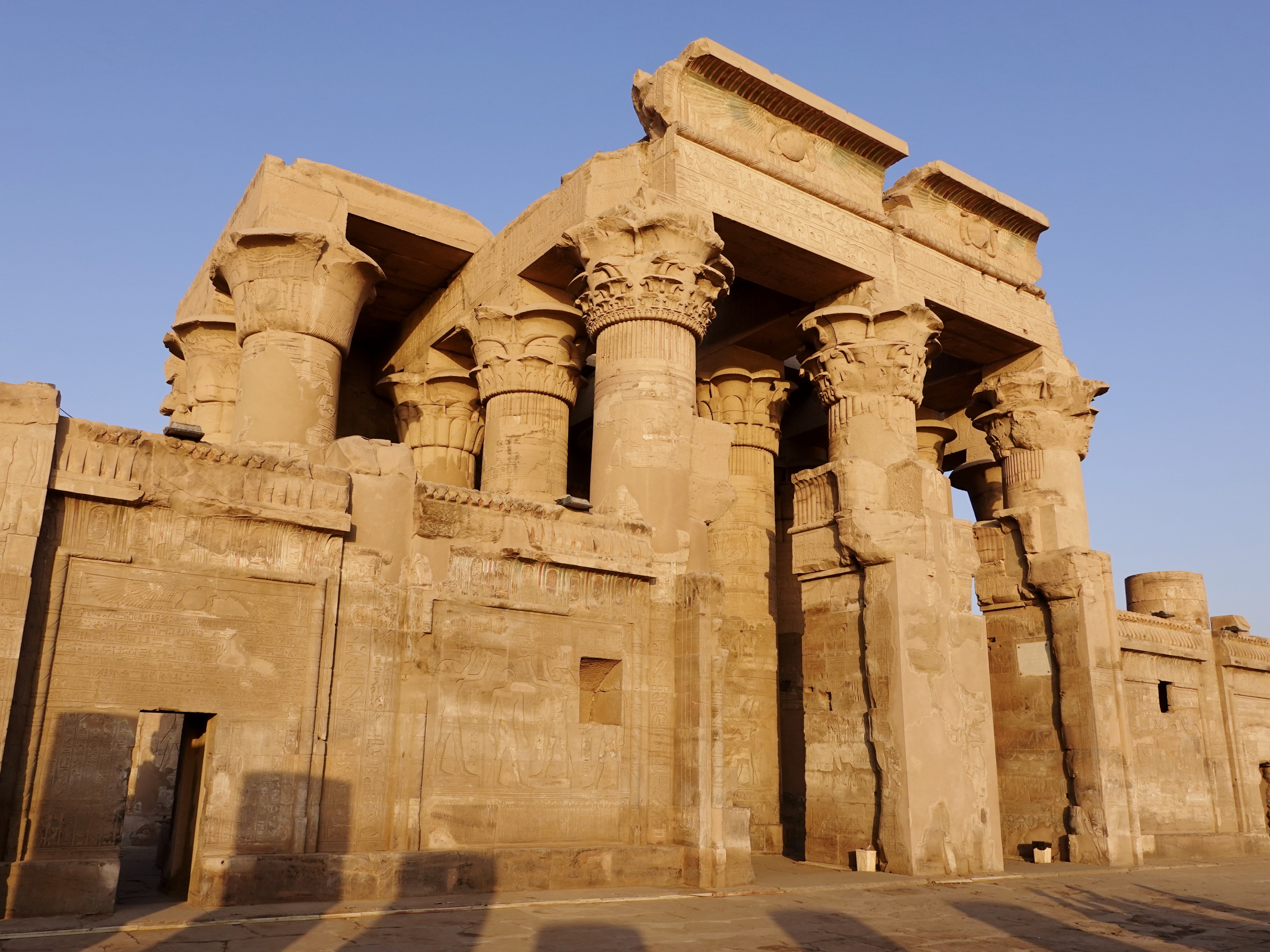
LuxorTemple of Kom Ombo Entry Ticket
This single-admission ticket grants entry to the Temple of Kom Ombo, a Ptolemaic temple on the Nile dedicated to Sobek and Horus the Elder. Its paired sanctuaries and reliefs reflect the temple’s unusual double dedication; nearby remains include a Nilometer and a small chapel known as a mammisi. Access is arranged through Discovery Tours Egypt, a licensed Egyptian tour operator, and the ticket is emailed as a PDF after booking. Opening hours can vary by season, so check current details before visiting. Photography rules also vary; check at the entrance. The ticket covers admission only, not transport or an Egyptologist guide.
From £10
 Luxor
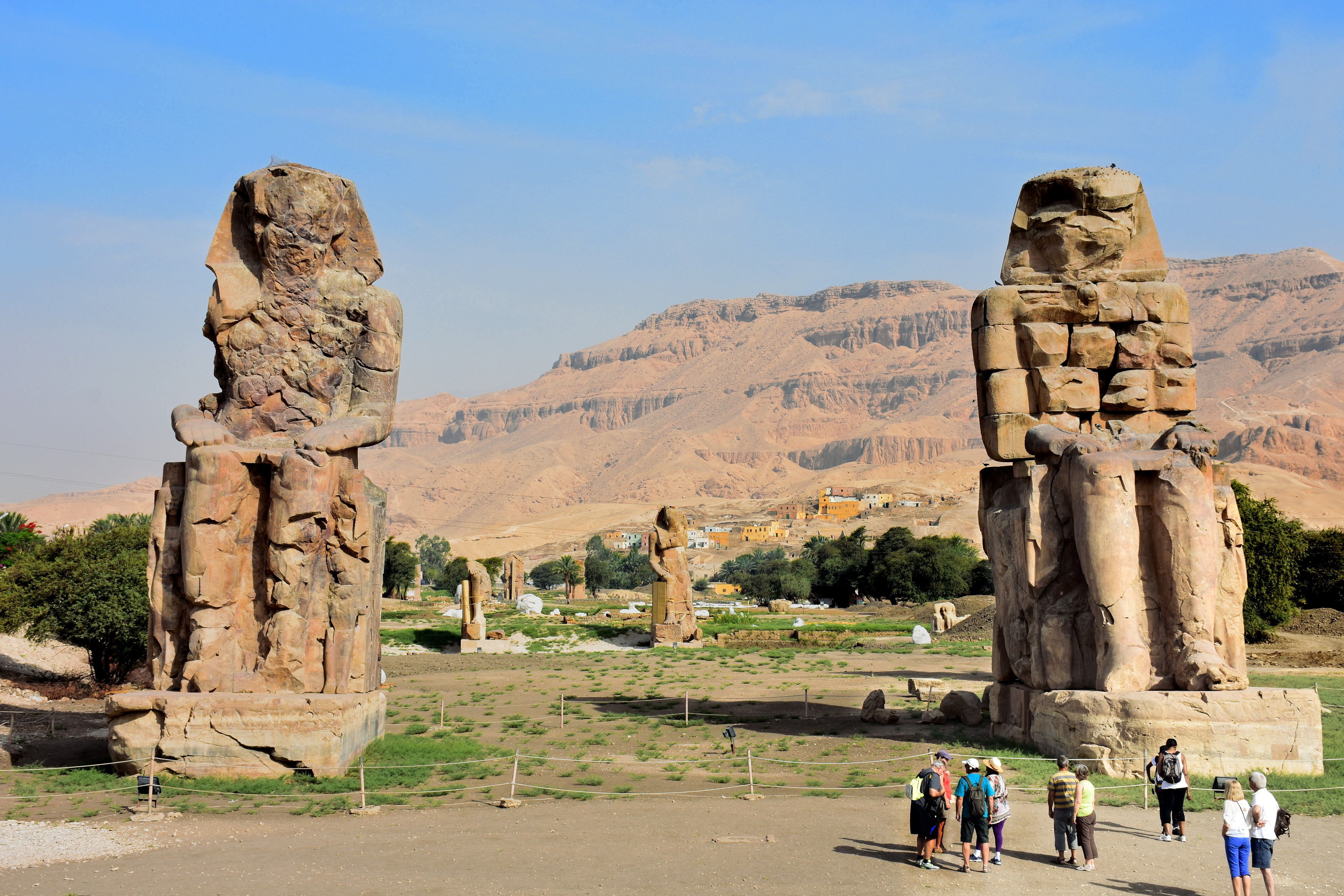
LuxorColossi of Memnon (Luxor West Bank)
The Colossi of Memnon are two seated sandstone statues of Amenhotep III on Luxor’s West Bank, each about 18 metres high. They stand on the ruined platform of Amenhotep III’s mortuary temple; only the colossi remain in situ. Roman visitors reported one statue emitted a sound at dawn; that phenomenon ceased after ancient repairs. We treat the Colossi as a short, interpretive stop (20–30 minutes) rather than a full-day visit – we do not schedule it as the day's main attraction. Expect uneven gravel, limited shade at midday, and easy photography opportunities from the roadside. We are a licensed Egyptian tour operator and can add a private Egyptologist or transfer.
From £2