Temple of Kom Ombo Entry Ticket
Admission to Kom Ombo’s twin sanctuaries of Sobek and Horus, with carved reliefs and the raised mammisi open to explore.
At a glance
- Departs
- Daily
The short answer
Temple of Kom Ombo Entry Ticket is an entry ticket granting admission to the Temple of Kom Ombo in Luxor, booked and arranged by Discovery Tours Egypt.
- Archaeology & history
- Cultural
Snapshot
Good to know
- Time to allow
- Self-paced
- Travel style
- Self-Guided Entry
- Arranged by
- Arranged by Discovery Tours Egypt
- Destinations
- Temple of Kom Ombo
- Includes
- Single admission to the Temple of Kom Ombo · Access to the twin sanctuaries of Sobek and Horus · Access to the raised mammisi · Access to the Nilometer remains
- Best for
- Independent visitors · Ancient Egyptian history enthusiasts · Nile travellers · Visitors seeking a short site visit
Best time to go
October to April is generally more comfortable for visiting; daytime temperatures in Upper Egypt are often around 20–30°C, while May to September can bring temperatures above 35°C. Arrive early in warmer months, and check current opening hours around Ramadan and major public holidays, when hours and visitor flow may change.
- Discovery Tours Egypt is a licensed Egyptian tour operator.
- The ticket grants single admission to the Temple of Kom Ombo.
- A PDF ticket is emailed after booking confirmation.
- The ticket terms identify transport, meals and personal expenses as excluded.
- The ticket terms state that special areas may require an additional fee.
02Overview
A first look
On a bend of the Nile between Luxor and Aswan stands a temple built twice over: Kom Ombo's perfectly symmetrical double sanctuary honours the crocodile god Sobek on one side and the falcon god Haroeris on the other. Its reliefs include one of Egypt's oddest — a carved tray of surgical instruments — and the Crocodile Museum next door keeps mummified crocodiles from the sacred colony.
Your entry ticket is emailed as a PDF before you travel. The temple is at its best towards sunset as the cruise groups thin out; guiding can be organised separately.
Background
The facts
The Temple of Kom Ombo is a Ptolemaic temple complex beside the Nile, dedicated jointly to Sobek, the crocodile god, and Horus the Elder. This product grants single admission to the complex in Luxor; it is booked and arranged by Discovery Tours Egypt, a licensed Egyptian tour operator.
The temple’s plan has two parallel entrances, courtyards, halls and sanctuaries arranged on a mirrored axis. Visitors can see the twin sanctuaries, carved reliefs depicting surgical instruments, a raised mammisi and remains of a nilometer, once used to measure Nile flood levels.
Construction began under Ptolemy VI Philometor in the 2nd century BCE and continued during later Ptolemaic and Roman periods. The site’s crocodile mummies and related cult material reflect its association with Sobek.
Opening hours can vary by season, so check the official site before visiting and consider arriving early. Photography rules vary; check at the entrance. The ticket is delivered by email as a PDF after booking confirmation. Check whether a printed copy is required and print it if in doubt. Special areas may require an additional fee.
Named in this entry
Temple of Kom Ombo·Sobek·Horus the Elder·Ptolemy VI Philometor·Nile·mammisi·nilometer·crocodile mummies·Luxor
Suited to
Is this for you?
Yes, if
- This single-admission ticket suits independent travellers, history readers and adults or older children looking for a compact stop at an ancient temple. It works well for visitors who prefer to explore at their own pace and can manage uneven stone underfoot and time in open sun.
Maybe not, if
- Choose a different visit if you need step-free access throughout or want a longer, guided temple experience. The exposed site and uneven paving can also make this a difficult stop with a pushchair.
What lingers
- 01Enter the paired sanctuaries dedicated to Sobek and Horus the Elder
- 02View reliefs depicting medical instruments and scenes of ritual life
- 03See the temple’s Nilometer remains and the mammisi
- 04Visit a Ptolemaic temple beside the Nile
Worth knowing
How this compares
Most full-day temple visits cover several sites; this ticket grants single admission to Kom Ombo alone. Unlike a guided visit, it does not include a professional Egyptologist or transport to the site.
The fine print
What's included – and what is left out
Included
- Single admission ticket to the Temple of Kom Ombo
Not included
- A professional site expert, available to book separately if required
- Travel to and from the site
- Food and personal costs
- Photography permit, if applicable
- Gratuities
- A printed ticket; a PDF is emailed after booking. Print it if the venue requires a paper copy
Field notes
From our Egyptologists
- 01
Check the official opening hours before setting out, as they can change with the season.
- 02
Ask at the entrance about current photography rules before taking pictures.
- 03
Print the emailed PDF if you cannot confirm that the entrance accepts tickets on a screen.
- 04
Allow time to examine the mirrored layout, rather than treating the visit as a quick photo stop.
Tailor it
Make it yours
This product is a single-admission ticket, not a guided visit, and no ticket upgrades or add-ons are specified. Your ticket is sent as a PDF by email after booking; check whether the entrance accepts a screen copy, and print it if in doubt.
Your own specialist deals with each request before you book.
Where it fits
Kom Ombo sits on the Nile route between Luxor and Aswan, so it fits naturally into a journey linking the two cities. Pair the visit with Edfu Temple, about 65 km to the north.
While you're here
Worth pairing
- Kom Ombo Crocodile MuseumRight here
- Temple of Edfu65 km
- Philae Temple55 km
- Aswan High Dam50 km
Why book this with us
Three reasons, stated plainly
01
PDF ticket sent by email after booking confirmation
02
Single admission arranged for Kom Ombo Temple
03
A focused visit fits a 45–90 minute stop
·In summary
The Temple of Kom Ombo’s mirrored plan contains parallel sanctuaries dedicated to Sobek and Horus the Elder. Construction began under Ptolemy VI Philometor in the 2nd century BCE, and a typical visit takes 45–90 minutes.
Asked & answered
Frequent questions
01What does the Temple of Kom Ombo entry ticket include?
The ticket covers one admission to the Temple of Kom Ombo. It does not include transport, meals, personal expenses, gratuities or commentary from an Egyptologist. A photography permit, if required, is also excluded. Your ticket arrives by email as a PDF after booking; check whether the entrance requires a printed copy.02What are the opening hours of the Temple of Kom Ombo?
Opening hours at the Temple of Kom Ombo can change with the season. Check the official site for current hours and last admission before setting out, and allow time for the entrance process. If you are visiting during a busy period, arriving early can help you make the most of your time inside.03When is the best time to visit the Temple of Kom Ombo?
Late afternoon is often a good time to visit the Temple of Kom Ombo, particularly as the light softens over the Nile. Visitor numbers can vary, so quieter conditions are not guaranteed. In hotter months, an early visit can reduce time in the sun; bring water and sun protection.04How do I get to the Temple of Kom Ombo?
The Temple of Kom Ombo stands beside the Nile in the town of Kom Ombo, between Luxor and Aswan. This ticket does not include transport. You can reach the site by taxi or as part of a wider journey through the region; confirm the entrance location with your driver before arriving.05Can I take photographs inside the Temple of Kom Ombo?
Photography rules at the Temple of Kom Ombo may vary, so check the current policy at the entrance. A photography permit, if required, is not included with this ticket. Ask staff before using a camera, especially inside covered areas, and follow any signs restricting photography.06What should I wear to the Temple of Kom Ombo?
Wear light, modest clothing and comfortable shoes for the Temple of Kom Ombo. The ancient stone surfaces may be uneven, and shade is limited in open areas. A hat, sunglasses and high-factor sun cream are useful in warm weather; take water, particularly during the hotter months.07Is the Temple of Kom Ombo accessible for visitors with mobility needs?
The Temple of Kom Ombo has ancient stone surfaces and raised areas, which may make movement difficult for visitors with limited mobility. Accessibility arrangements are not confirmed for this ticket. Contact the site before visiting to ask about the entrance route and whether assistance is available.08Do children need a ticket for the Temple of Kom Ombo?
Ticket requirements for children at the Temple of Kom Ombo depend on the venue’s current age categories. Check the applicable child policy when booking rather than assuming children enter free. The site includes exposed areas and uneven stone, so keep children close and bring sun protection and water.09Does the Temple of Kom Ombo ticket include skip-the-line entry?
We'll confirm whether skip-the-line or fast-track entry is available. It provides single admission, but you may still need to use the entrance gate and pass through any security checks. Follow the instructions on your emailed PDF and at the ticket window.10What makes the Temple of Kom Ombo different from other temples?
The Temple of Kom Ombo has two parallel sanctuaries dedicated to Sobek and Horus, also known as Haroeris. Reliefs include carved medical instruments, while nearby displays include mummified crocodiles. The compact site can often be explored in 45 to 90 minutes, though time on site varies by visitor.
Last updated 8 March 2025Product ID: TKT-LUX-410103
You Might Also Like
 Luxor
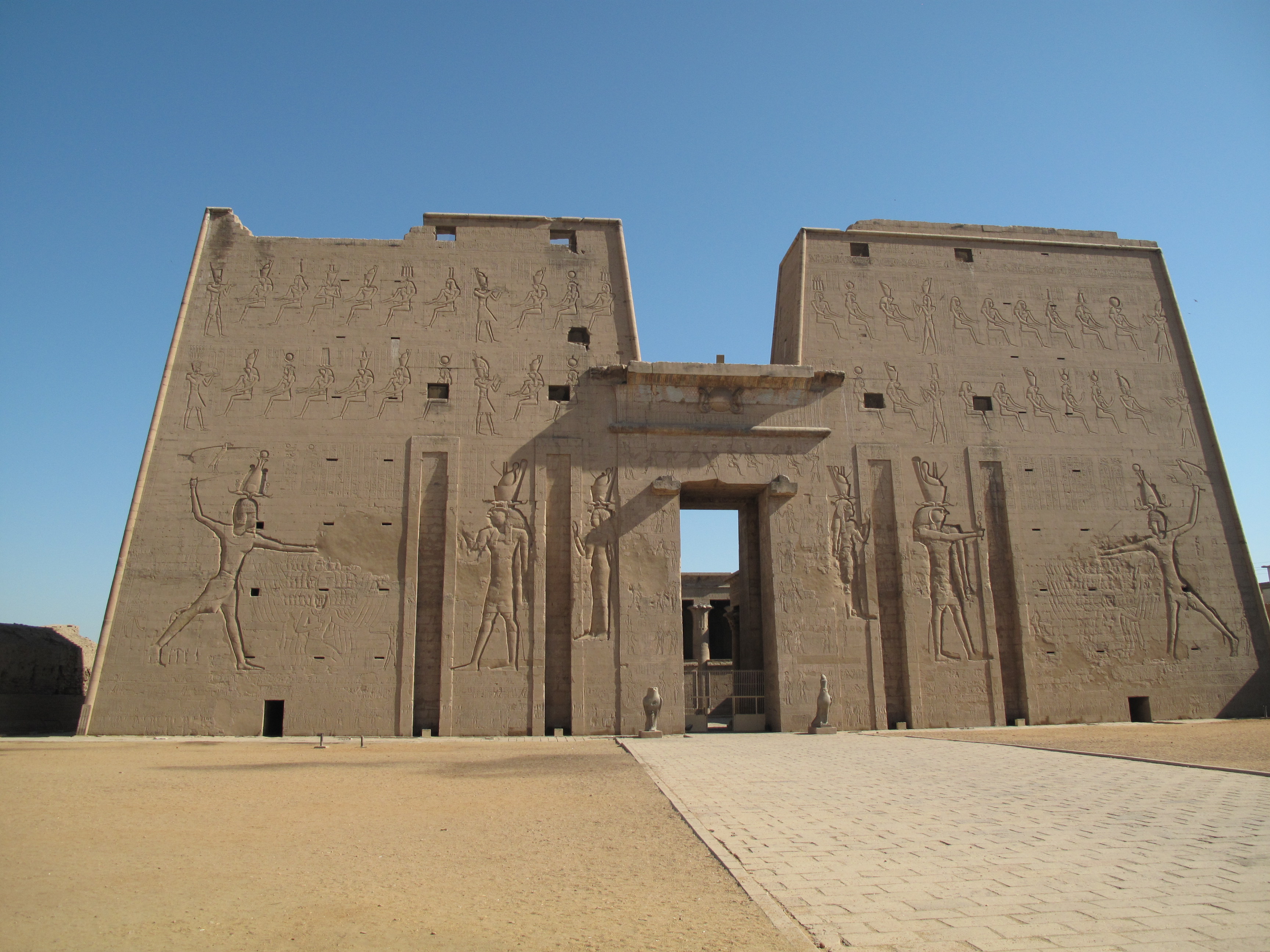
LuxorTemple of Edfu – Entrance Ticket & Visitor Options
The Temple of Edfu is a Ptolemaic sanctuary built between 237 and 57 BCE, dedicated to the falcon god Horus. We are a licensed Egyptian tour operator; our Egyptologists lead focused 90–120 minute visits that explain the temple’s inscriptions and ritual scenes. We treat Edfu as an archaeological visit rather than a quick photo stop used on many cruise schedules. Unlike standard cruise timetables, we schedule visits to avoid the busiest boat arrivals whenever river timings allow. There is limited shade in the forecourt and uneven stone underfoot; morning visits are cooler. Standard site entrance fee is included unless stated otherwise.
From £13
 Luxor
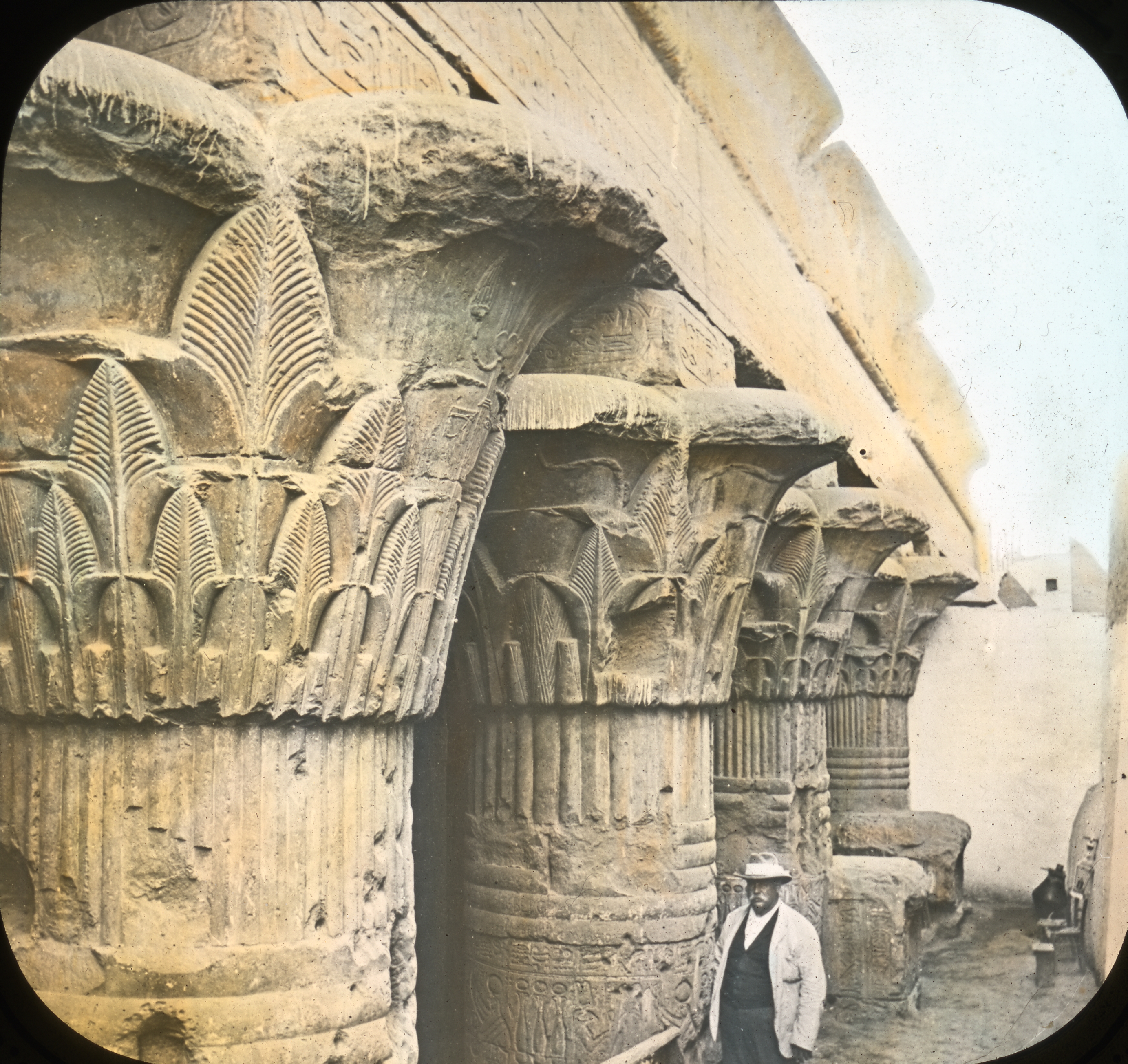
LuxorTemple of Esna – Ticket & Guided Visit (Luxor)
The Temple of Esna is a late Ptolemaic–Roman temple in Esna, notable for its 24-column hypostyle hall and carved ceiling panels. We are a licensed Egyptian tour operator and arrange timed visits with one of our Egyptologists to explain the late-Ptolemaic reliefs and Roman-period inscriptions. Unlike the rapid photo stops offered on many river-cruise timetables, we avoid peak cruise-ship windows so you can study the columns and ceiling without the usual souvenir pressure. We do not run group-bus tours; transfers use private cars from Luxor on request. Trade-offs: limited shade, narrow aisles and some uneven ancient paving.
From £4
 Luxor
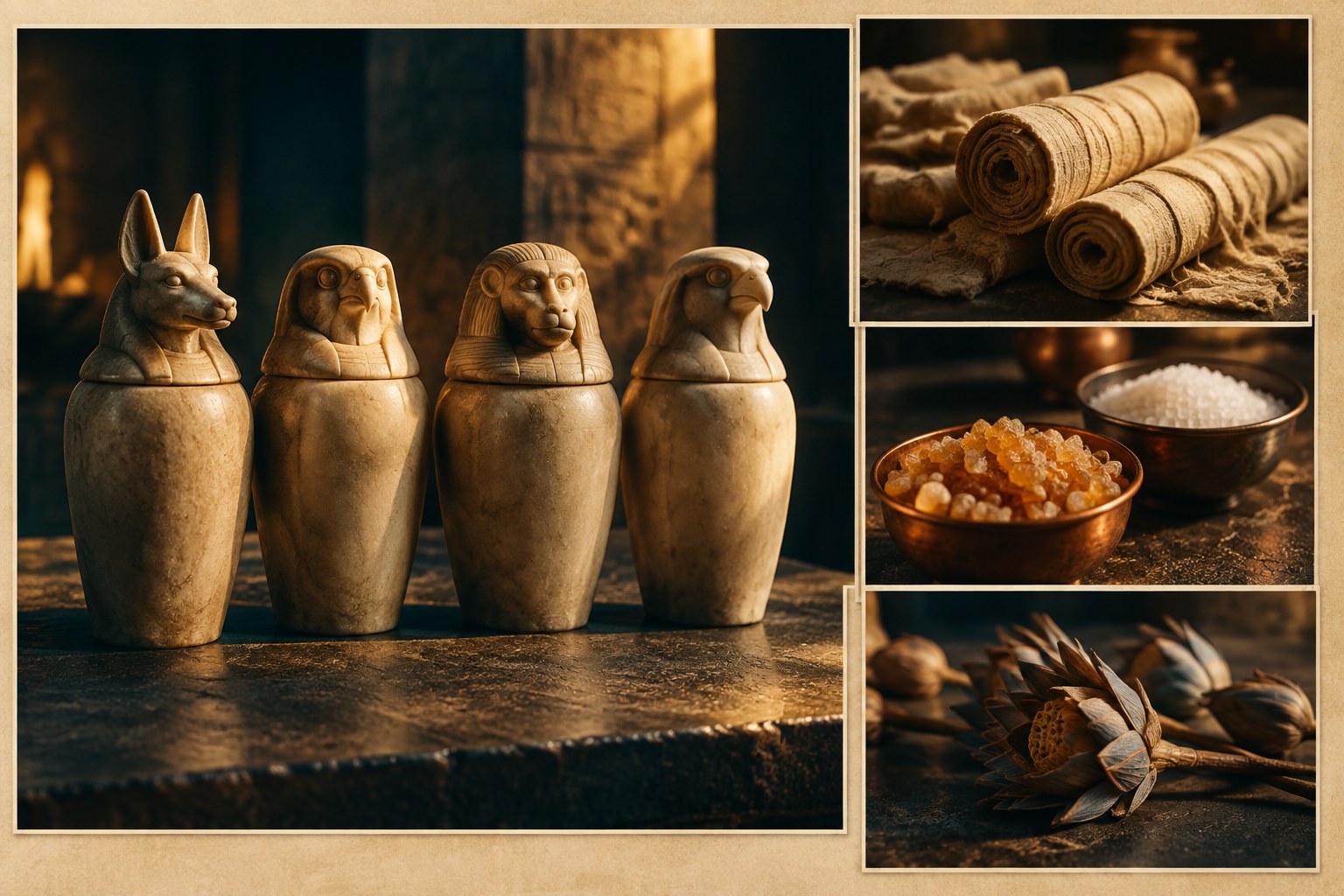
LuxorMummification Museum – Luxor West Bank
The Mummification Museum in Luxor explains ancient Egyptian embalming methods through objects, tools and labelled displays. We are a licensed Egyptian tour operator and arrange private guided entries with our Egyptologists; the visit normally fits a 30–45 minute slot and pairs easily with a West Bank itinerary. Distinctive approach: we do not bundle this museum into rushed Valley of the Kings morning runs; unlike typical cruise-ship schedules, we time visits to reduce waiting. Trade-offs: the museum is small and the material can be graphic, so plan a short, focused visit rather than a lengthy stop.
From £5