Tomb of Nefertari, Valley of the Queens – Luxor
Admission to Queen Nefertari’s painted burial chamber in the Valley of the Queens, where vivid scenes and funerary texts date to the 13th century BCE.
At a glance
- Departs
- Daily
The short answer
Tomb of Nefertari Entry Ticket is an entry ticket granting admission to QV66 in Luxor’s Valley of the Queens, booked and arranged by Discovery Tours Egypt.
- Archaeology & history
- Cultural
Snapshot
Good to know
- Time to allow
- Self-paced
- Travel style
- Self-Guided Entry
- Arranged by
- Arranged by Discovery Tours Egypt
- Destinations
- Tomb of Nefertari, Valley of the Queens
- Includes
- Single admission to the Tomb of Nefertari · Access to the painted burial chamber · PDF ticket delivered by email after booking
- Best for
- Ancient Egyptian art enthusiasts · Independent visitors · Travellers visiting Luxor's West Bank
Best time to go
October to April is generally more comfortable for visiting Luxor, with milder daytime conditions; summer heat can be intense, so arrive early. Visitor numbers and opening patterns may change during Ramadan and public holidays, so check current hours before setting out. Daily entry is limited, and the tomb is a more focused stop than a longer visit to the Valley of the Queens.
- Discovery Tours Egypt is a licensed Egyptian tour operator.
- The ticket is for single admission to the Tomb of Nefertari only.
- Access is subject to limited daily admissions for conservation reasons.
- The ticket is delivered by email as a PDF after booking confirmation.
02Overview
A first look
QV66 is the burial tomb of Queen Nefertari, consort of Ramesses II. It lies in the Valley of the Queens within the Theban Necropolis UNESCO World Heritage Site.
Background
The facts
The Tomb of Nefertari, designated QV66, is a royal tomb in the Valley of the Queens on Luxor’s West Bank. It was built for Queen Nefertari, principal wife of Ramesses II, whose reign took place in the 13th century BCE. This ticket grants one admission to QV66 only; it does not include other tombs in the valley.
The Valley of the Queens is near other West Bank sites, including the Valley of the Kings, Medinet Habu and the Colossi of Memnon.
QV66 belongs to the New Kingdom burial landscape, used mainly for royal women and children during the 19th and 20th Dynasties. Its painted burial chamber contains polychrome scenes, depictions of deities and funerary texts associated with Nefertari’s passage into the afterlife. The tomb is within the UNESCO-listed Ancient Thebes and its Necropolis property, inscribed in 1979.
Daily admission is limited for conservation reasons. Opening hours vary seasonally; we confirm current hours before you travel. Consider arriving early. Photography rules can vary. The ticket is sent by email as a PDF after booking confirmation. Print it if a printed copy is required.
Named in this entry
Tomb of Nefertari·QV66·Queen Nefertari·Ramesses II·Queens’ Valley·Valley of the Kings·Medinet Habu·Colossi of Memnon·Luxor·Ancient Thebes and its Necropolis
Suited to
Is this for you?
Yes, if
- This entry ticket suits adults and older children interested in ancient Egyptian art, archaeology and the reign of Ramesses II. It is a good fit for travellers who want a short, self-guided visit to Queen Nefertari’s painted burial chamber and are comfortable with steps or uneven ground.
Maybe not, if
- Choose another West Bank visit if you need step-free access or are travelling with a stroller. The ticket is also a poor fit if you want transport or an in-person guide included.
What lingers
- 01QV66 (Tomb of Nefertari) in the Valley of the Queens, Luxor West Bank; roughly 5 km (15-minute drive) from Luxor East Bank.
- 02Interior access requires a separate premium ticket and is often limited by conservation-driven timed entries.
- 03Photography and flash are prohibited inside QV66; low lighting preserves the polychrome wall paintings.
- 04The tomb contains large-scale painted scenes of Nefertari before Hathor; substantial polychromy survives.
- 05Unlike many group itineraries, we arrange the premium interior ticket separately and confirm timed entry before arrival.
- 06QV66 sits within the Theban Necropolis, listed as the UNESCO World Heritage site 'Ancient Thebes with its Necropolis'.
Worth knowing
How this compares
Most West Bank site packages cover several monuments; this ticket grants admission to QV66 alone. Unlike a guided excursion, it is a single-admission ticket for a self-guided visit.
The fine print
What's included – and what is left out
Included
- Single-admission entry ticket to the Tomb of Nefertari
Not included
- Professional interpretation by an Egyptologist, available to book separately if required
- Travel to and from the site
- Food and beverages
- Photography permit, if required; check the rules at the entrance
- Printed ticket, if the venue requires a paper copy
Field notes
From our Egyptologists
- 01
Keep the PDF available offline in case mobile reception is poor at the entrance.
- 02
Ask at the entrance whether a printed ticket is required before relying on screen display.
- 03
Check photography rules on arrival rather than assuming camera use is permitted.
- 04
Confirm current opening hours before setting out, as they vary seasonally.
Tailor it
Make it yours
This is a standalone admission ticket, not a customised tour; transport and an in-person guide are not included. A separate guide or transport arrangement would need to be booked independently, and the ticket does not include other tombs in the Valley of the Queens.
Your own specialist deals with each request before you book.
Where it fits
Add the Tomb of Nefertari to a Luxor West Bank visit alongside the Valley of the Kings or Medinet Habu. Its daily admission is limited, so arrange the ticket before setting your plans.
While you're here
Worth pairing
- Queens’ ValleyRight here
- Deir el-Medina2 km
- Medinet Habu4 km
- Valley of the Kings4 km
- Colossi of Memnon5 km
Why book this with us
Three reasons, stated plainly
01
We arrange admission to this tightly limited tomb separately.
02
Your ticket arrives by email as a PDF after booking.
03
A focused self-guided visit to Nefertari's painted chamber.
·In summary
QV66 is the tomb of Queen Nefertari, principal wife of Ramesses II, in Luxor’s Valley of the Queens. Its painted chamber dates to the 13th century BCE, and conservation concerns limit daily admissions.
Asked & answered
Frequent questions
01Is a visit to the Tomb of Nefertari possible?
Yes, but access to the Tomb of Nefertari is highly restricted and often closed to general visitors. The tomb sits in the Valley of the Queens on Luxor's West Bank and entry is limited, sometimes reserved for researchers. We don't include QV66 in standard packages because access is unpredictable; our Egyptologists can apply for a visit on your behalf but cannot guarantee entry.02How do I buy tickets for the Tomb of Nefertari?
Tickets for the Tomb of Nefertari require a separate premium entry and must be purchased via the Luxor ticket office or authorised agents. Availability is limited and the fee is commonly excluded from general site passes. We can attempt an advance application for clients, though final permission is controlled by site authorities on the day.03Is photography allowed inside the Tomb of Nefertari?
No – photography, including mobile phones and flash, is prohibited inside the Tomb of Nefertari. The ban protects fragile pigments and painted surfaces; site staff enforce it. Guests should leave cameras with their guide, hotel, or coach before entering and expect visual checks at the entrance.04Can wheelchair users access the Tomb of Nefertari?
No – the Tomb of Nefertari is not wheelchair-accessible and has steep, narrow stairways and low passages. Visitors must negotiate uneven ancient stone and confined spaces, so most mobility aids are unsuitable inside. We can suggest alternative West Bank sites with easier access and arrange transfers or viewpoints instead.05When is the best time of day to visit the Tomb of Nefertari?
Early morning is the preferred time to attempt a visit to the Valley of the Queens and QV66. Limited daily entry means small slots can fill quickly and the tomb can be closed for conservation or research later in the day. We schedule West Bank visits at first light where possible to reduce the risk of closure.06Why is the Tomb of Nefertari important?
The Tomb of Nefertari (QV66) has polychrome wall paintings attributed to the 19th Dynasty and Ramesses II's reign. Nefertari was Ramesses II's principal queen; the pigments are extremely fragile and in-situ conservation is ongoing. Those conservation needs are the primary reason visitor numbers and photography are strictly limited.
Last updated 20 April 2026Product ID: TKT-LUX-620603
You Might Also Like
 Luxor
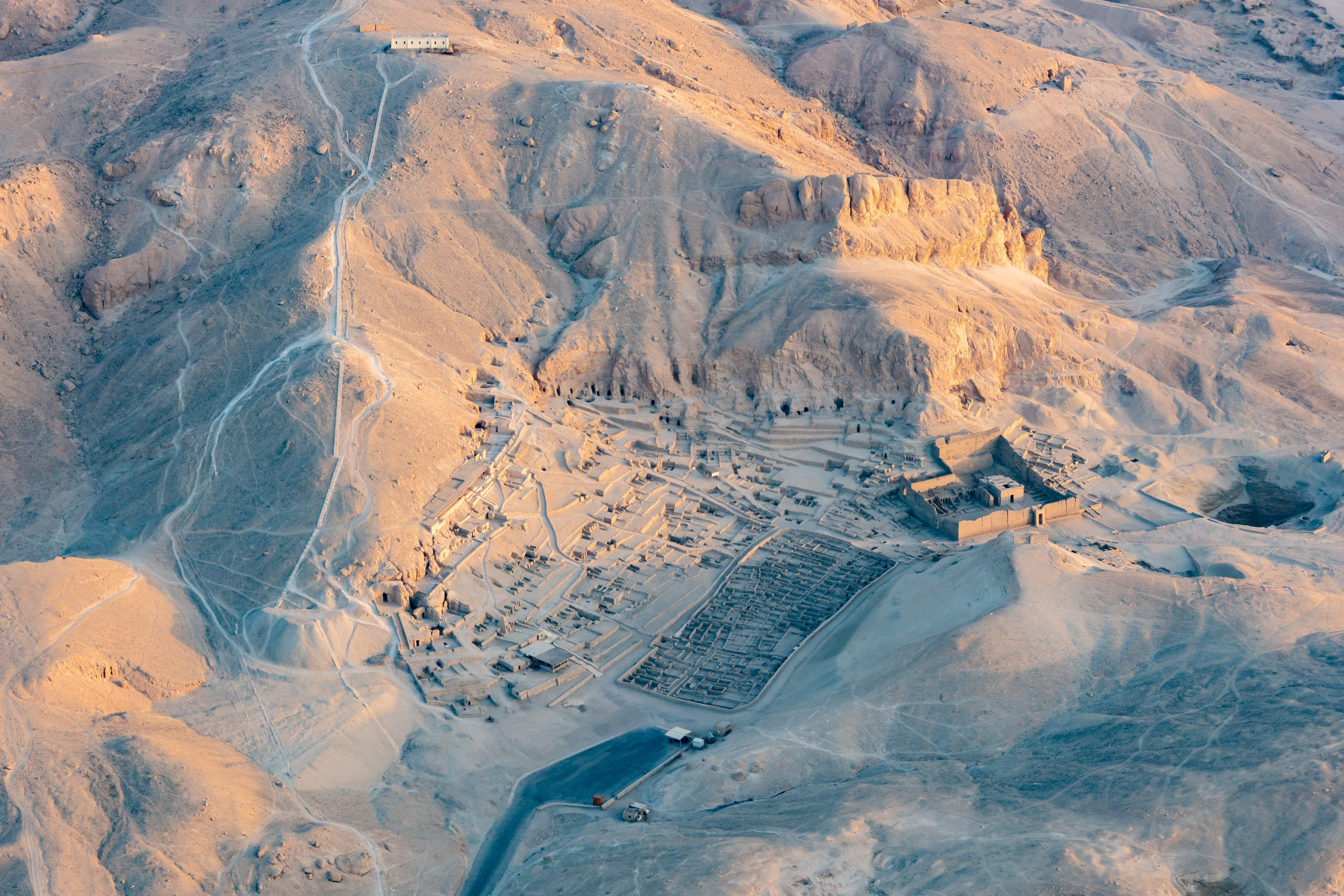
LuxorDeir el-Medina – Luxor West Bank
Deir el‑Medina is the ancient village of the Royal Tomb artisans on Luxor's West Bank. It is part of the UNESCO World Heritage Site 'Ancient Thebes with its Necropolis'. The site comprises houses, a village cemetery and numerous ostraca recording craftsmen's notes and letters. We treat Deir el‑Medina as a focused archaeological visit on private West Bank programmes rather than a rushed coach stop. Unlike the Valley of the Kings, Deir el‑Medina shows domestic life and workshop practice rather than royal tomb architecture. Limited shade and uneven stone make mid‑day visits tiring; a private Egyptologist and shaded transport add value. As a licensed Egyptian tour operator, we arrange timed entry and local guides.
From £2
 Luxor
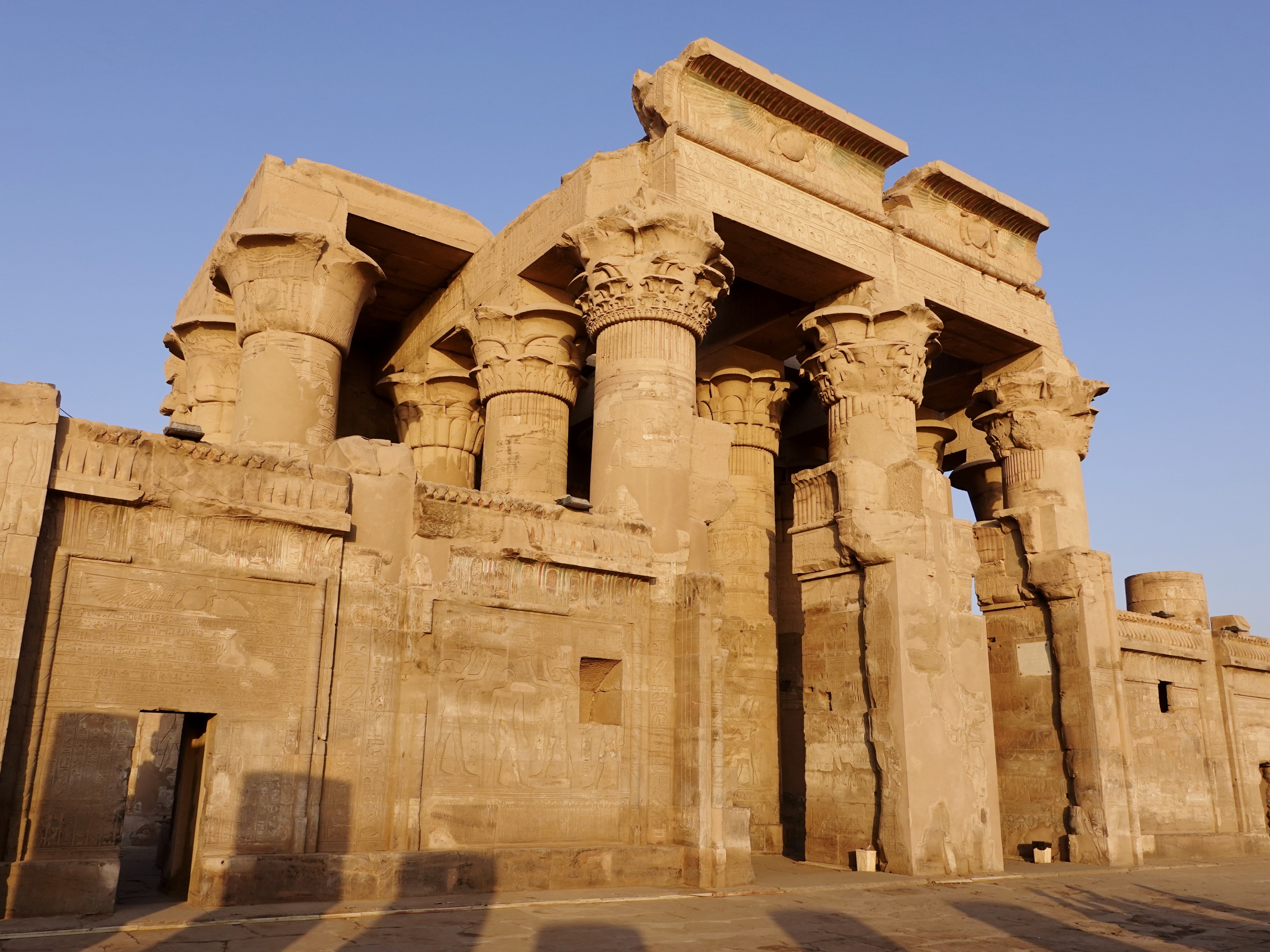
LuxorTemple of Kom Ombo Entry Ticket
This single-admission ticket grants entry to the Temple of Kom Ombo, a Ptolemaic temple on the Nile dedicated to Sobek and Horus the Elder. Its paired sanctuaries and reliefs reflect the temple’s unusual double dedication; nearby remains include a Nilometer and a small chapel known as a mammisi. Access is arranged through Discovery Tours Egypt, a licensed Egyptian tour operator, and the ticket is emailed as a PDF after booking. Opening hours can vary by season, so check current details before visiting. Photography rules also vary; check at the entrance. The ticket covers admission only, not transport or an Egyptologist guide.
From £10
 Luxor
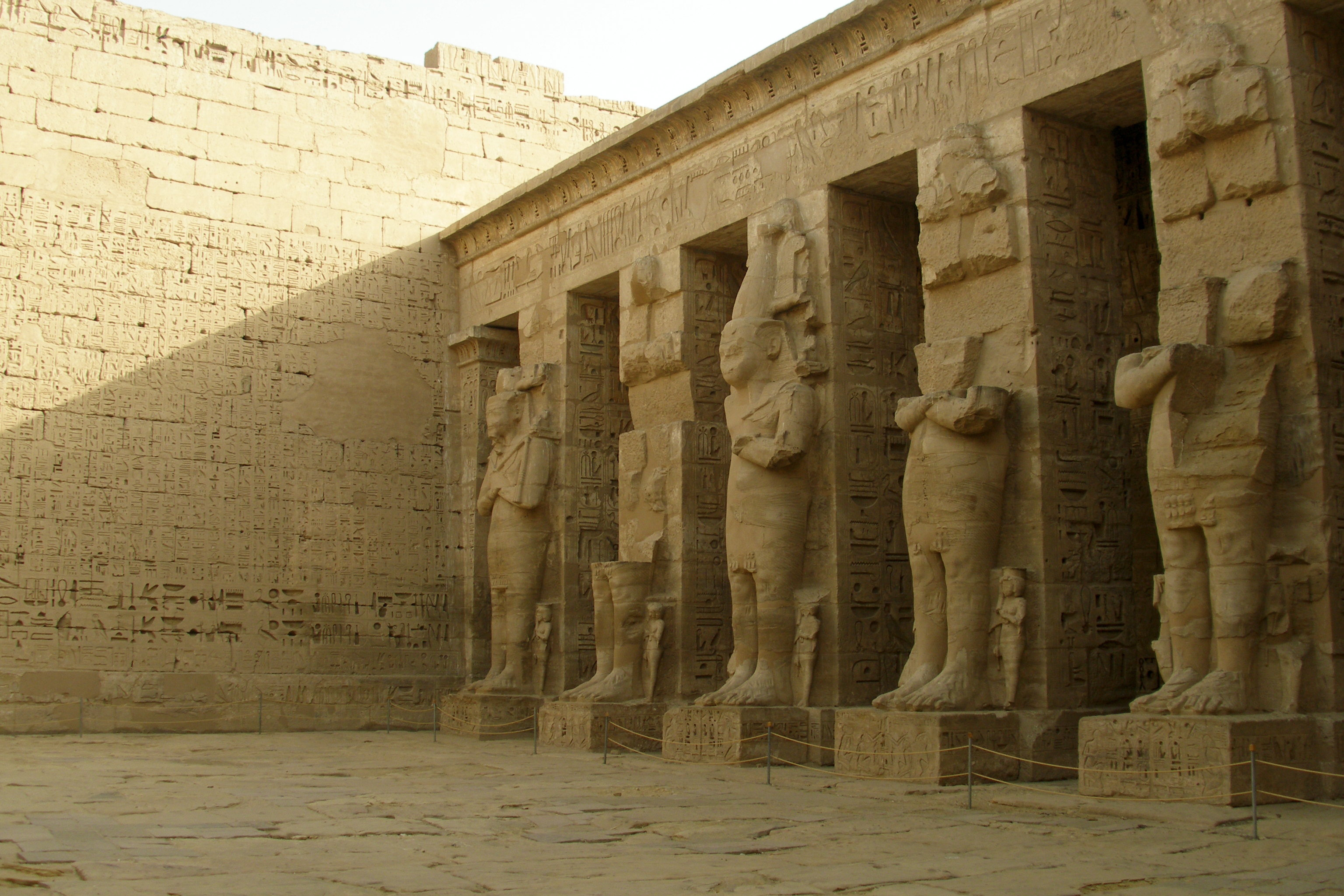
LuxorMortuary Temple of Ramses III (Medinet Habu) – Luxor West Bank
Medinet Habu is the mortuary temple complex of Ramses III on Luxor's West Bank. Our Egyptologists lead the visit and point out the campaign reliefs, including the Sea Peoples scenes and detailed ship depictions. We are a licensed Egyptian tour operator and include the standard entrance fee. We prefer to include Medinet Habu as a 90-minute stand-alone visit paired with the Ramesseum, rather than a brief coach stop; this allows time for close-up study of the reliefs and the large hypostyle hall. Expect limited shade at midday and uneven ancient stone underfoot; bring sun protection and sensible shoes.
From £4