Colossi of Memnon (Luxor West Bank)
Admission to the monument platform and surrounding grounds on Luxor’s West Bank, where the seated statues of Amenhotep III stand.
At a glance
- Departs
- Daily
The short answer
Colossi of Memnon Entry Ticket grants admission to the statues of Amenhotep III on Luxor’s West Bank, booked and arranged by Discovery Tours Egypt.
- Archaeology & history
- Cultural
Snapshot
Good to know
- Time to allow
- Open hours vary seasonally
- Travel style
- Self-Guided Entry
- Arranged by
- Arranged by Discovery Tours Egypt
- Destinations
- Colossi of Memnon
- Includes
- Admission to the Colossi of Memnon · Access to the monument platform · Access to the immediate grounds · Self-guided visit · PDF ticket sent by email after booking confirmation
- Best for
- Independent travellers · Ancient Egypt enthusiasts · Visitors to Luxor's West Bank · Travellers planning a flexible visit
Best time to go
October to April is generally more comfortable for outdoor visits, with Luxor daytime temperatures often around 22–32°C; summer days can exceed 40°C, so an early morning visit is preferable. Visitor numbers and opening hours can vary, particularly during Ramadan and public holidays, so check current hours before setting out.
- Discovery Tours Egypt is a licensed Egyptian tour operator.
- The ticket is for admission to the Colossi of Memnon, not a guided visit.
- Admission covers the monument platform and immediate grounds.
- Transport and professional guiding are not included.
- Tickets are sent by email as a PDF after booking confirmation.
- Visitors can check whether the venue requires a printed ticket before arrival.
02Overview
A first look
Two colossal seated statues represent Pharaoh Amenhotep III on Luxor’s West Bank. They mark the remains of his mortuary temple and stand approximately 18 metres tall.
Background
The facts
The Colossi of Memnon are two seated quartzite statues of Amenhotep III on Luxor’s West Bank, opposite modern Luxor. They are among the principal surviving monuments of the Theban Necropolis.
Each statue is approximately 17 metres tall. They originally flanked the entrance to Amenhotep III’s mortuary temple, whose foundations and scattered remains survive nearby. The site is a standalone monument and can be visited independently of other West Bank sites.
The statues date to the 18th Dynasty, in the 14th century BCE. Roman-era repairs followed earthquake damage; weathered inscriptions and traces of restoration remain visible on their surfaces.
This ticket grants admission to the monument platform and immediate grounds. Opening hours vary seasonally, so check the latest official schedule before travelling. Allow time for the ticket window and security check; photography rules may vary, so check at the entrance.
Named in this entry
Colossi of Memnon·Amenhotep III·Luxor·Luxor West Bank·Theban Necropolis·Thebes·18th Dynasty·Amenhotep III's Mortuary Temple·Roman Empire
Suited to
Is this for you?
Yes, if
- This entry ticket suits independent travellers aged 16 and over who want a brief West Bank stop and are interested in Amenhotep III and ancient sculpture. It also works for couples, solo visitors and older children who are comfortable walking on uneven ground and standing outdoors.
Maybe not, if
- Choose a different site if you need step-free, consistently even paths or a shaded indoor visit. The open-air setting can be uncomfortable in Luxor's summer heat.
What lingers
- 01Two seated statues of Amenhotep III on Luxor's West Bank; each approximately 18 metres high, originally flanking his mortuary temple.
- 02Unlike quick roadside photo stops, we allow 15–30 minutes to approach the Colossi and inspect surviving inscriptions.
- 03Antiquity writers reported the northern colossus 'singing' after earthquakes; later restorations repaired the crack and the sound ceased.
- 04Entrance fee to the Colossi site is included; we schedule visits to avoid the hottest midday sun where possible.
- 05Combine with Hatshepsut's Temple and the Valley of the Kings for a single West Bank morning; short transfers only.
Worth knowing
How this compares
Many West Bank itineraries combine the Colossi of Memnon with other sites. This is a standalone admission, so it does not require a visit to another monument. The ticket covers the monument platform and immediate grounds, not transport or a professional guide.
The fine print
What's included – and what is left out
Included
- Admission ticket to the Colossi of Memnon site
Not included
- Transport to and from the site
- Professional Egyptologist guide, available to book separately if required
- Audio guide, unless explicitly listed
- Photography permits, if required by the venue
- Printed ticket, if required by the venue; the ticket is emailed as a PDF after booking
Field notes
From our Egyptologists
- 01
Arrive early to avoid the strongest midday sun; shade is limited around the open monument platform.
- 02
Check the current seasonal opening hours before setting out, as schedules can change.
- 03
Ask at the entrance about photography rules before taking close-up images of the inscriptions.
- 04
Print the emailed PDF if you are unsure whether the entrance accepts a ticket displayed on a phone.
Tailor it
Make it yours
This is a standalone admission, with no transport or in-person guiding included. No ticket upgrades or visit customisations are specified; check separately for any audio guide availability, current photography rules and whether the venue requires a printed PDF ticket.
Your own specialist deals with each request before you book.
Where it fits
The Colossi of Memnon fit into a Luxor West Bank visit, alongside Medinet Habu and the Valley of the Kings. They are a brief stop rather than a substitute for the larger archaeological sites.
While you're here
Worth pairing
- Ramesseum3 km
- Medinet Habu3 km
- Valley of the Queens5 km
- Valley of the Kings7 km
Why book this with us
Three reasons, stated plainly
01
Standalone admission, not bundled with other West Bank sites
02
Choose your own visiting time around seasonal opening hours
03
PDF ticket delivery after booking confirmation
·In summary
The Colossi of Memnon are approximately 17 metres-high seated quartzite statues of Amenhotep III, dating to the 14th century BCE. They once flanked the entrance to his mortuary temple on Luxor’s West Bank, where foundations and scattered remains survive.
Asked & answered
Frequent questions
01Where are the Colossi of Memnon?
The Colossi of Memnon are two 18-metre-high seated statues of Amenhotep III on Luxor's West Bank, by his mortuary temple remains. They stand on the Theban Necropolis, part of the UNESCO World Heritage Site 'Ancient Thebes with its Necropolis'. The statues face the Nile floodplain and are a short drive from Luxor city; most visitors see them en route to Medinet Habu or the Valley of the Kings.02How long should I allow to visit the Colossi of Memnon?
Most visitors spend 20–40 minutes at the Colossi of Memnon. That allows time for photography, a short walk around the statues and reading the onsite panels. If you plan to include Medinet Habu and the Ramesseum the same morning, allow a half-day; there is limited shade and little seating at the Colossi.03Are the Colossi of Memnon a UNESCO World Heritage Site?
The Colossi of Memnon lie within the UNESCO World Heritage Site 'Ancient Thebes with its Necropolis'. The inscription covers the wider Theban necropolis which includes the Valley of the Kings and surrounding mortuary temples. Being inside the UNESCO zone means conservation rules apply and occasional temporary closures for restoration can occur.04Are the Colossi of Memnon accessible for wheelchair users?
Access is on uneven, compacted ground with low curbs and sand; full wheelchair access is limited. There are no permanent ramps across the immediate site and some approaches involve loose stone and slight slopes. If you need assistance we can arrange a private car drop at the nearest vehicular point and a helper from our team, but independent wheelchair users should expect to require support.05Can visitors climb inside or on the Colossi of Memnon?
No – the Colossi are solid funerary statues and there is no public interior or authorised climbing. The statues suffered earthquake damage in antiquity and are now subject to conservation measures and barriers in places. Photography is permitted from the public areas; please respect any fenced zones and staff instructions during restoration work.06Can I combine a visit to the Colossi of Memnon with other West Bank sites?
Yes – the Colossi are commonly visited together with Medinet Habu, the Ramesseum and the Valley of the Kings on Luxor's West Bank. We recommend an early start to avoid midday heat and the busiest periods; combine timing so you have at least an hour at larger sites like Medinet Habu. Unlike coach-group schedules, we prefer private Egyptologist-led visits and can add a guide on request for context.
Last updated 8 March 2025Product ID: TKT-LUX-275653
You Might Also Like
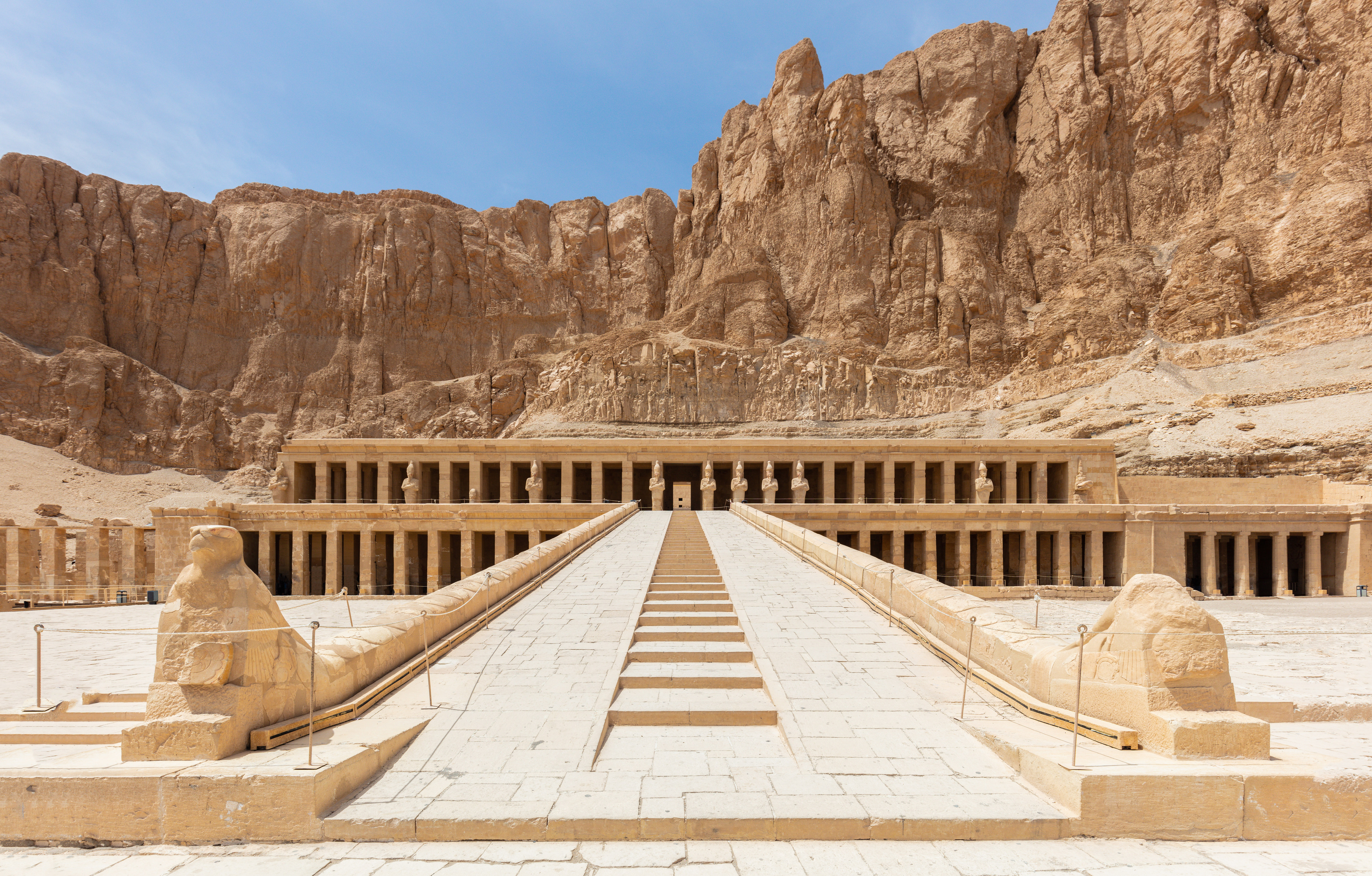 Luxor
LuxorMortuary Temple of Hatshepsut (Deir el‑Bahari), Luxor
The Mortuary Temple of Hatshepsut (Deir el-Bahari) sits on the limestone cliffs of Luxor's West Bank and dates to the mid-15th century BCE. The three terraces and colonnaded ramps are usually attributed to the architect Senenmut. We are a licensed Egyptian tour operator and include the standard site entrance fee; photography permits or special exhibitions may cost extra. We schedule private visits and typically allow 60–90 minutes rather than the 30–40 minutes many cruise shore excursions allot. Trade-offs: limited shade at midday, steep steps and uneven ancient stone underfoot, and variable opening hours during Ramadan or national holidays.
From £10
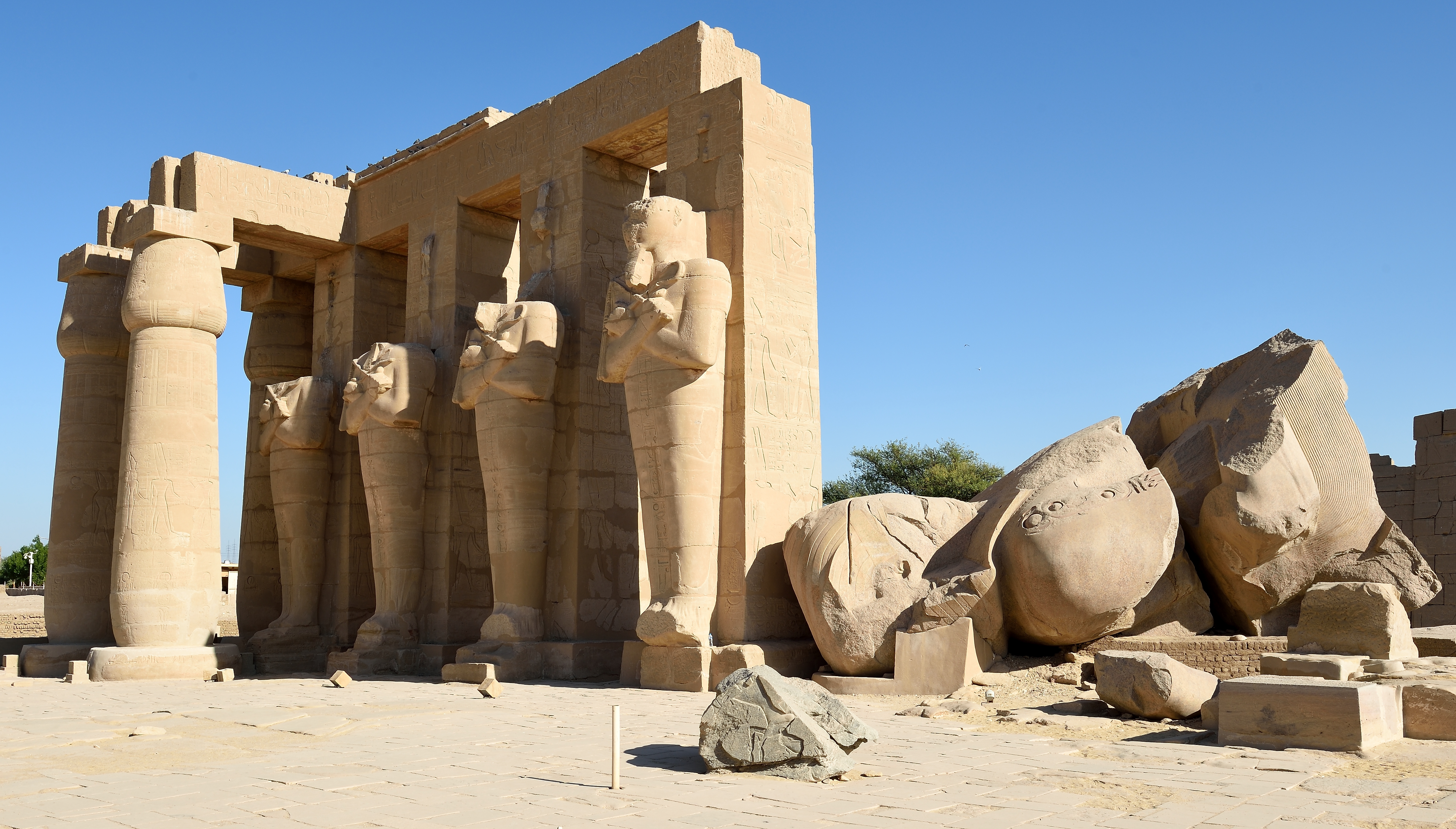 Luxor
LuxorRamesseum (Mortuary Temple of Ramses II), Luxor West Bank
The Ramesseum is Ramses II's mortuary temple on Luxor's West Bank, part of the UNESCO World Heritage Site Ancient Thebes with its Necropolis. We schedule 45–60 minutes here rather than the 15–20 minutes many coach tours allow, so you can study the reliefs and the fallen colossus without rushing. Our Egyptologist explains the temple layout, surviving inscriptions and later reuse of blocks. Standard site entrance fees are included; photography without flash is normally permitted. Practical cons: limited shade at midday and walking on uneven ancient stone. We arrange a private transfer from Luxor city centre (about 5 km, 15–20 minutes' drive).
From £4
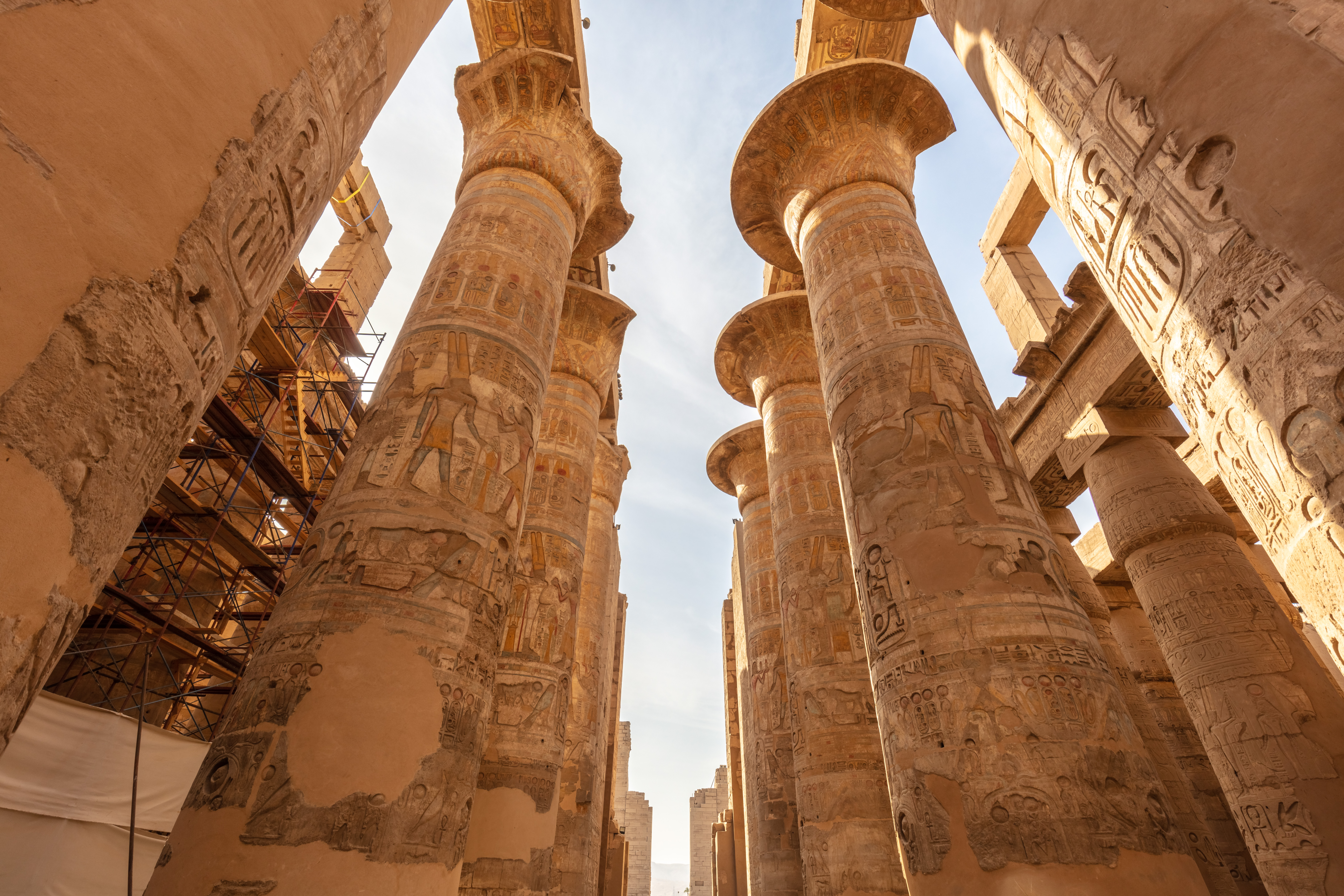 Luxor
LuxorKarnak Temples (includes the Sacred Lake) – Luxor
This guided visit covers the Karnak Temple complex in Luxor and includes the Sacred Lake and the Hypostyle Hall. Karnak sits approximately 2.5 kilometres north of Luxor Temple (about a 10-minute drive). Our Egyptologists allocate 90–120 minutes on site and concentrate on the complex’s architectural phases rather than tourist-led legends. Unlike quick cruise-ship stops, we time the visit to avoid the busiest coach arrivals where possible. Entrance to Karnak and the Sacred Lake is included. Practical cons: limited shade at midday and uneven ancient stone underfoot; we recommend early starts and sturdy footwear.
From £13