Deir el-Medina – Luxor West Bank
Admission to the New Kingdom workers’ village on Luxor’s West Bank, including its archaeological remains and decorated artisans’ tombs.
At a glance
- Departs
- Daily
The short answer
Deir el-Medina Entry Ticket grants admission to the workers’ village remains and artisans’ tomb area on Luxor’s West Bank, booked and arranged by Discovery Tours Egypt.
- Archaeology & history
- Cultural
Snapshot
Good to know
- Time to allow
- Self-paced
- Travel style
- Self-Guided Entry
- Arranged by
- Arranged by Discovery Tours Egypt
- Destinations
- Deir el-Medina
- Includes
- Entry to the Deir el-Medina site · Access to archaeological remains of the workers' village · Access to the cemetery area · Access to decorated artisans' tombs · On-site displays of finds and ostraca where available
- Best for
- Ancient history enthusiasts · Independent visitors · New Kingdom archaeology enthusiasts · Visitors exploring Luxor's West Bank
Best time to go
October to April is generally more comfortable for an outdoor visit, with daytime temperatures ranging from about 22°C in the cooler months to around 32°C in spring and autumn. From May to September, Luxor can exceed 40°C; arrive early and avoid the midday heat. Opening arrangements and visitor flow may differ during Ramadan and public holidays, so check ahead.
- Discovery Tours Egypt is a licensed Egyptian tour operator.
- The ticket grants entry to Deir el-Medina’s archaeological site area.
- The ticket is delivered by email as a PDF after booking confirmation.
- The listing states that transport, meals and personal expenses are excluded.
02Overview
A first look
Deir el‑Medina sits on Luxor's West Bank close to the Valley of the Kings. Visitors can see workers' houses, the village cemetery and numerous ostraca with daily notes.
Background
The facts
Deir el-Medina is the remains of a New Kingdom settlement on Luxor’s West Bank, opposite modern Luxor. Its residents were artisans, draftsmen and labourers who built and decorated royal tombs.
The site includes house foundations, streets and a cemetery with decorated tombs belonging to the artisans. It is commonly visited in about one to two hours and lies within reach of the Valley of the Kings, the Valley of the Queens and the Nobles’ tombs area.
The village was occupied during the 18th to 20th Dynasties, approximately 1550–1070 BCE. Its remains document daily life and the organisation of work connected with royal tomb production in ancient Thebes, part of the UNESCO-listed Ancient Thebes with its Necropolis.
The entry ticket grants access to the site area. Displays of ostraca, tools and other finds may be available on site. Opening hours vary by season, so check current details before visiting; photography rules should also be confirmed at the entrance.
Named in this entry
Deir el-Medina·Luxor·Thebes·Visit to the Valley of the Kings·Valley of the Queens·Nobles’ tombs·Ancient Thebes with its Necropolis·New Kingdom·18th Dynasty·19th Dynasty·20th Dynasty
Suited to
Is this for you?
Yes, if
- This entry ticket suits independent travellers, archaeology enthusiasts and adults who want to see where New Kingdom artisans lived and worked. Older children with an interest in ancient Egypt may also enjoy the houses and decorated tombs, provided they can manage uneven ground.
Maybe not, if
- Choose another site if you need step-free access or pushchair-friendly paths throughout. The exposed West Bank setting is also a poor fit for visitors who cannot manage outdoor heat.
What lingers
- 01Located on Luxor West Bank, Deir el-Medina forms part of the Theban Necropolis UNESCO World Heritage Site.
- 02Houses and tombs include Sennedjem's painted tomb (TT1) and Kha and Merit’s tomb (TT8).
- 03Preserves ostraca, wooden models and administrative papyri that document artisans' tools, wages and strike records.
- 04Short site visit: allow 45–75 minutes; limited shade and uneven stone paths make midday uncomfortable.
- 05Unlike cruise-ship stop timetables, our Egyptologists schedule sufficient time for tomb details and visitor questions.
Worth knowing
How this compares
Many West Bank sightseeing packages combine several monuments; this is an entry ticket for Deir el-Medina alone. Transport, meals and a professional Egyptologist are not included, so visitors arrange those separately if needed.
The fine print
What's included – and what is left out
Included
- Entry ticket to Deir el-Medina
Not included
- Professional Egyptology-led visit, book separately if required
- Travel to and from the site
- Food and personal spending
- Photography permit, if required; check the rules at the entrance
- Printed ticket, if mobile tickets are not accepted at the site
Field notes
From our Egyptologists
- 01
Print the emailed PDF if you are unsure whether the entrance accepts mobile tickets.
- 02
Check seasonal opening hours before setting out, as site times can change.
- 03
Ask at the entrance about current photography rules before taking pictures.
- 04
Ostraca and tools may be displayed on site, but displays can vary.
Tailor it
Make it yours
This is an entry ticket, with transport and any professional Egyptologist guide arranged separately. You can plan a broader West Bank visit by booking admission to other sites separately; check their opening hours before setting out.
Your own specialist deals with each request before you book.
Where it fits
Deir el-Medina fits into a Luxor West Bank visit alongside the Valley of the Kings or Medinet Habu. Its houses and decorated tombs offer a different perspective from royal burial sites.
While you're here
Worth pairing
- Valley of the Queens2 km
- The Ramesseum2 km
- Medinet Habu3 km
- Visit to the Valley of the Kings4 km
- Temple of Hatshepsut at Deir el-Bahari5 km
Why book this with us
Three reasons, stated plainly
01
Ticket arranged for Deir el-Medina on Luxor's West Bank
02
PDF ticket delivered by email after booking confirmation
03
Clear advice on printed tickets and seasonal opening hours
·In summary
Deir el-Medina was occupied from about 1550 to 1070 BCE by artisans who worked on royal tombs in ancient Thebes. Allow around one to two hours to see the settlement remains and cemetery; seasonal opening hours and photography rules should be checked before arrival.
Asked & answered
Frequent questions
01Where is Deir el-Medina?
Deir el-Medina is the ancient village of the Valley of the Kings' workmen on Luxor's West Bank. It lies within the Theban Necropolis and the 'Ancient Thebes with its Necropolis' UNESCO World Heritage Site (1979). Visitors commonly combine it with the Valley of the Kings or the Valley of the Queens because of their proximity.02How much time should I allow for a visit to Deir el-Medina?
Plan 45–90 minutes to see the principal houses, painters' tombs and the small onsite museum. A focused 45-minute visit covers the main highlights; 90 minutes allows close study of inscriptions and ostraca. Our Egyptologists usually allow extra time because many of the site's details are small and interpretive.03What are the highlights at Deir el-Medina?
Key highlights are the painted painters' tombs, the house foundations and the tomb of Sennedjem. You will also see ostraca (workers' notes), tools, pottery and painted chapels that illuminate daily life and funerary practice. The small onsite museum groups finds for comparison; painted surfaces are best viewed in daylight and without flash.04Is Deir el-Medina accessible for visitors with reduced mobility?
Access is uneven: loose stone, steps and short slopes make many areas physically demanding. There are no continuous ramps and surfaces can be sandy; wheelchair access is largely limited to the entrance area. We can arrange assistance or position the vehicle nearer the site, but independent full access is unlikely without support.05Are visitors allowed to take photographs at Deir el-Medina?
Personal photography is generally permitted, but flash, tripods and commercial shoots may be restricted. Flash is discouraged to protect pigments in painted tombs and site staff commonly ask visitors to switch it off. If you require a permit for professional photography or tripods, we can apply for the necessary approval on your behalf.06Do I need a guide for Deir el-Medina?
A licensed Egyptologist guide is strongly recommended to explain the inscriptions, ostraca and village layout. Without a guide, signage is limited and much of the site's social history is hard to interpret. We are a licensed Egyptian tour operator and can provide private Egyptologists; we avoid rushed combo visits and schedule 45–90-minute visits to give proper time here.
Last updated 9 November 2026Product ID: TKT-LUX-943801
You Might Also Like
 Luxor
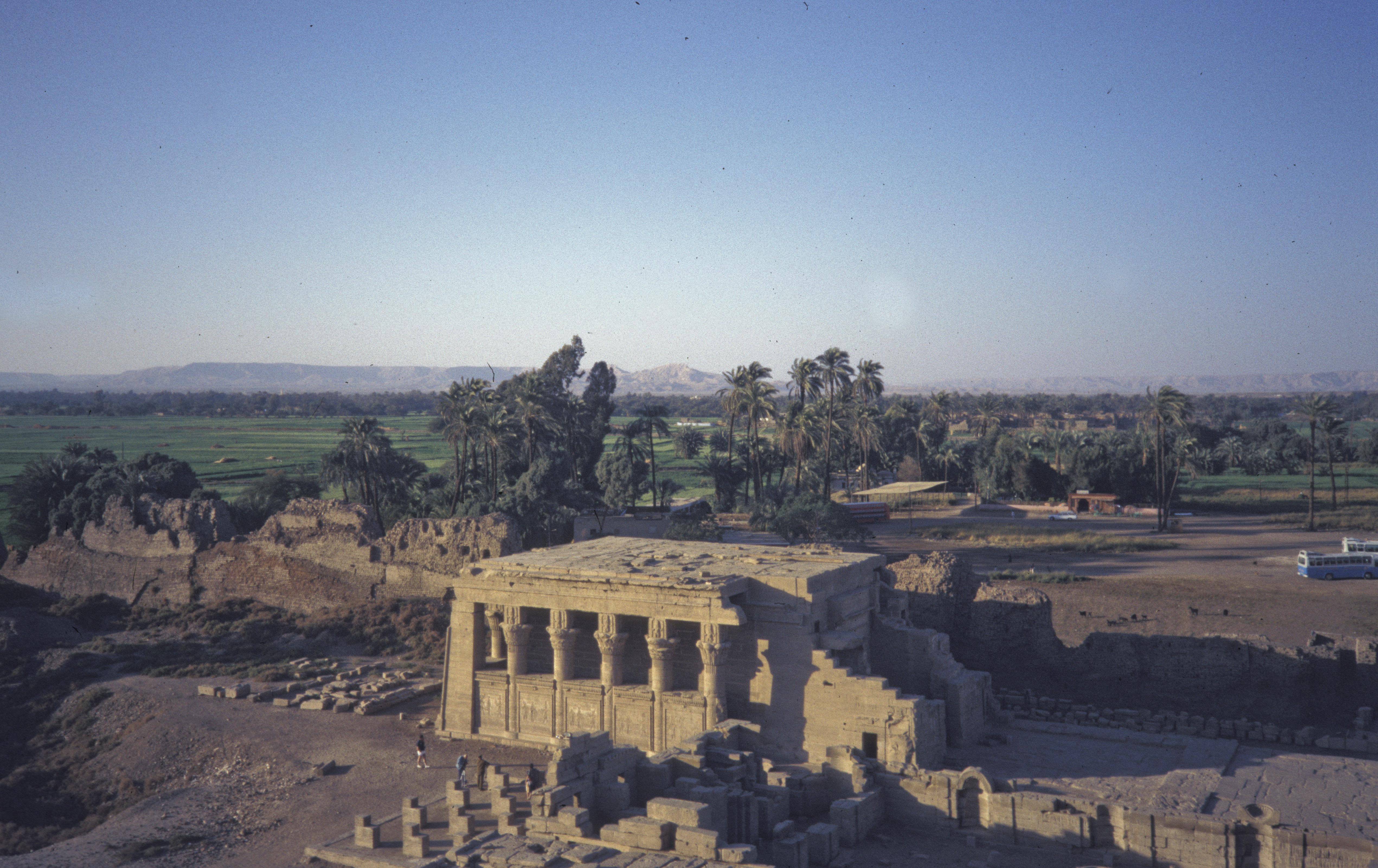
LuxorTemple of Dendera (Hathor Temple)
The Temple of Dendera, dedicated to Hathor, stands in Dendera c. 60 km north of Luxor. The site is about 60 km (c. 1 hr 15 min by road) from central Luxor. We do not treat Dendera as a 20–30 minute cruise stop; we schedule 90–120 minutes with one of our Egyptologists to examine the astronomical ceiling slab and the Hathoric capitals in detail. Unlike many large-group outings, we use private transfers timed to avoid the midday heat where possible. Standard site entrance fee is included; private gratuities and any optional extras are excluded. Downsides: limited shade at midday and uneven ancient stone underfoot.
From £7
 Luxor
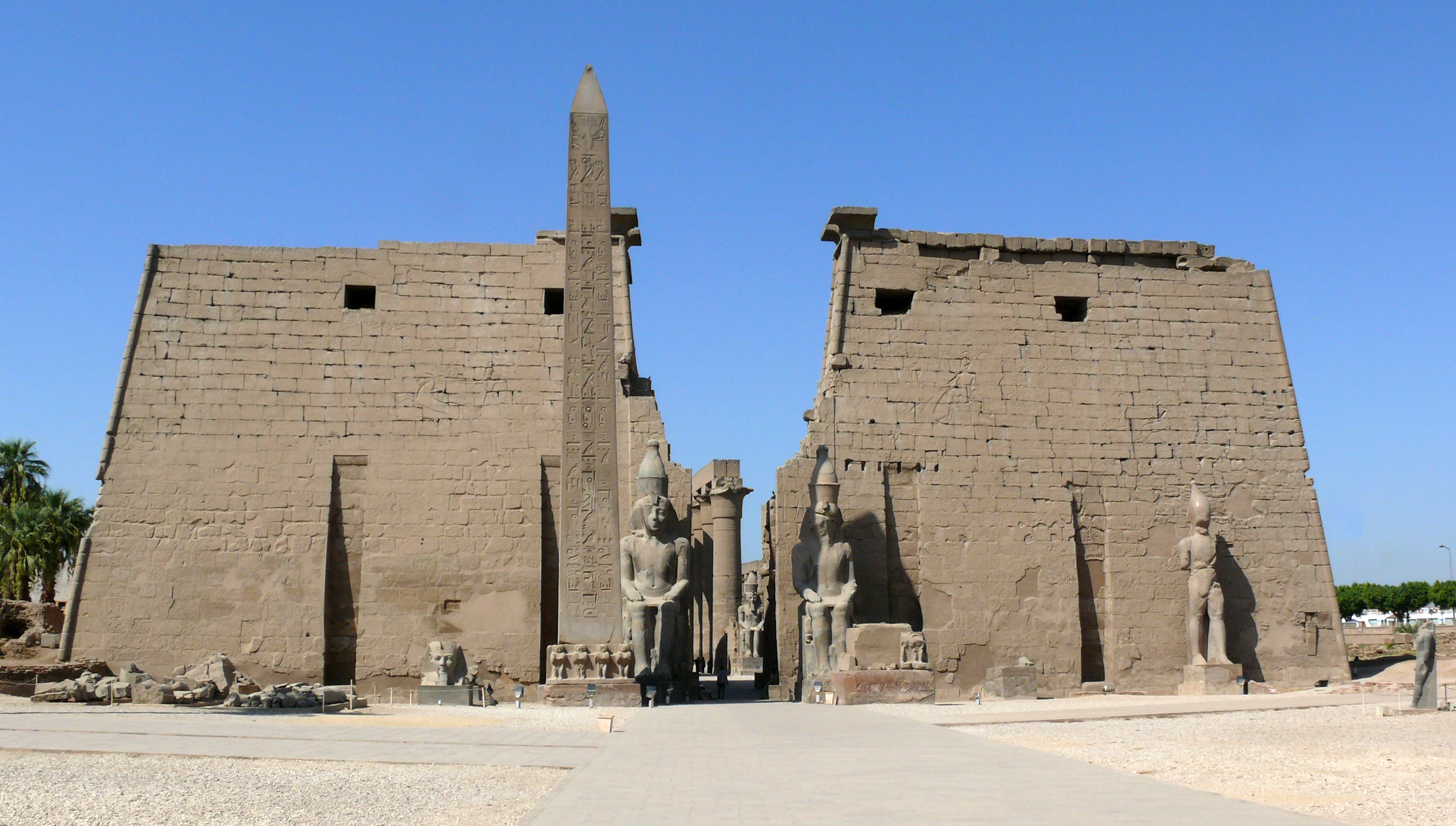
LuxorLuxor Temple (East Bank, Luxor)
We arrange timed visits to Luxor Temple on Luxor’s east bank; the standard entrance ticket is included. The core buildings date mainly to Amenhotep III and Ramesses II and the site forms part of the UNESCO World Heritage site Ancient Thebes with its Necropolis. We are a licensed Egyptian tour operator and our Egyptologists explain the Avenue of Sphinxes, the Ramesses II pylon and later Roman alterations. Distinctive POV: unlike coach itineraries that often rush, we schedule 60–90 minutes so you can walk the colonnade and photograph at your own pace. Trade-offs: expect crowds at sunset, limited shade at midday and uneven stone underfoot; modest dress is required.
From £11
 Luxor
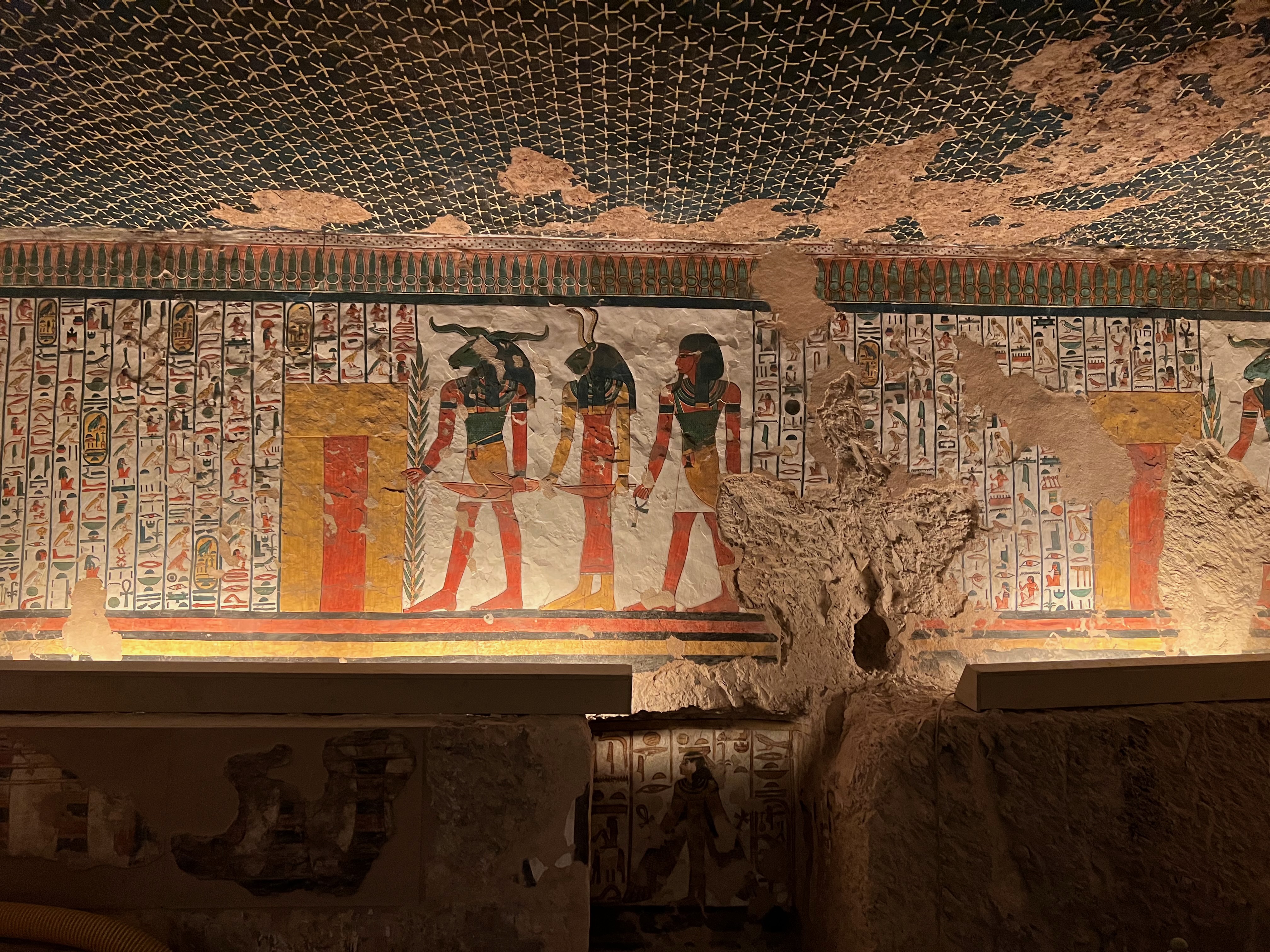
LuxorTomb of Nefertari, Valley of the Queens – Luxor
The Tomb of Nefertari (QV66) is in the Valley of the Queens on Luxor's West Bank and is notable for richly coloured wall paintings. QV66 is the burial of Queen Nefertari, consort of Ramesses II, and sits within the Theban Necropolis UNESCO World Heritage Site. Entry to the tomb requires a separate premium ticket and is often limited for conservation; photography is prohibited and the tomb can close for preservation work. We do not run large coach tours to QV66 – we arrange private, timed entries with one of our Egyptologists to reduce waiting and impact. Expect low light, narrow corridors and uneven stone; not ideal for reduced mobility.
From £56