Temple of Edfu – Entrance Ticket & Visitor Options
Admission to Edfu’s Ptolemaic temple dedicated to Horus, including the forecourt, hypostyle hall and sanctuary; PDF ticket sent by email after booking.
At a glance
- Departs
- Daily
The short answer
Temple of Edfu Entry Ticket is an entry ticket granting admission to the Temple of Edfu in Edfu, Upper Egypt, booked and arranged by Discovery Tours Egypt.
- Archaeology & history
- Cultural
Snapshot
Good to know
- Time to allow
- Self-paced
- Travel style
- Self-Guided Entry
- Arranged by
- Arranged by Discovery Tours Egypt
- Destinations
- Temple of Edfu
- Includes
- Admission to the Temple of Edfu · Access to the forecourt · Access to the hypostyle hall · Access to the sanctuary · PDF ticket delivered by email after booking
- Best for
- Independent travellers · Nile cruise passengers · History enthusiasts
Best time to go
October to April is generally more comfortable, with daytime temperatures often around 20–30°C; from May to September, temperatures can reach 35–40°C or higher. Arrive early to limit exposure to midday heat, and check current opening arrangements around Ramadan and major public holidays.
- The entry ticket grants access to the Temple of Edfu.
- The ticket is arranged by Discovery Tours Egypt, a licensed Egyptian tour operator.
- The ticket is delivered as a PDF attachment by email after booking confirmation.
- The admission-only ticket does not include transport, meals or drinks.
- Construction dates are associated with Ptolemy III and Ptolemy XII.
02Overview
A first look
Background
The facts
The Temple of Edfu is a Ptolemaic religious complex dedicated to Horus, the falcon deity associated with kingship and protection. It stands in Edfu, in Upper Egypt, around 110 km south of Luxor and 65 km north of Aswan.
Construction began in 237 BCE under Ptolemy III and was completed in 57 BCE under Ptolemy XII. Its principal spaces include a forecourt, a hypostyle hall and an inner sanctuary, following the traditional sequence of an ancient Egyptian temple.
The complex is a major source for the religious language and architecture of late Pharaonic Egypt. Its construction spanned the Ptolemaic period, when Greek-speaking rulers governed Egypt while maintaining Egyptian religious traditions.
An entry ticket grants independent access to the monument. Opening hours and last admission can vary by season, day and holiday, so check current information through the official site before visiting. Photography rules may vary; confirm them at the entrance.
Named in this entry
Temple of Edfu·Horus·Ptolemy III·Ptolemy XII·Edfu·Upper Egypt·Luxor·Aswan·Nile·Ptolemaic period
Suited to
Is this for you?
Yes, if
- This entry ticket suits independent visitors, couples and history-focused travellers who want to explore Edfu Temple at their own pace. It works well for older children and teenagers who can manage uneven stone and periods of standing.
Maybe not, if
- Choose another option if you need step-free access or on-site interpretation included. Strollers can be awkward around thresholds, steps and narrow passageways.
What lingers
- 01Ptolemaic Temple of Horus at Edfu, built 237–57 BC; one of Egypt's best-preserved Ptolemaic temples.
- 02Reliefs depict the myth of Horus and Seth; our Egyptologists explain ritual scenes in 45–60 minute guided visits.
- 03Accessible from Nile cruises between Luxor and Aswan; typical shore visit lasts 1–2 hours after disembarkation.
- 04Large forecourt and colonnaded hall require walking on uneven ancient stone; limited shade at midday.
- 05Stone-boat reliefs and intact roof inscriptions survive; valuable for epigraphic study and photographic recording permissions.
- 06We avoid large-coach itineraries; our guided Edfu visits are private or small-group to reduce overlap with cruise crowds.
Worth knowing
How this compares
Most cruise-packaged visits combine admission with a scheduled shore visit. We arrange this as an admission-only ticket, leaving visitors to choose their own pace and timing.
The fine print
What's included – and what is left out
Included
- Entry ticket to the Temple of Edfu
- Your PDF ticket will arrive by email once you have booked
Not included
- Transport to and from the site
- Professional Egyptologist or on-site guide, available to book separately
- Food and beverages
- Photography permit, where required by the site
- Printed ticket, if the venue requires a paper copy; check before arrival
Field notes
From our Egyptologists
- 01
Check whether the entrance accepts a phone display; print the PDF if the ticket format is unclear.
- 02
Ask at the entrance about photography rules before taking pictures inside the complex.
- 03
Confirm current opening hours and last admission close to your visit, especially around public holidays.
- 04
Wear clothing that covers shoulders and knees as a practical, respectful choice at a religious monument.
Tailor it
Make it yours
This is an admission-only ticket, with no transport or on-site interpretation included. The ticket does not specify add-on options; check separately for any available audio guide or other site services.
Your own specialist deals with each request before you book.
Where it fits
The Temple of Edfu is a stop on the Nile route between Luxor and Aswan, often visited during a cruise. Its admission-only format leaves you to plan the timing around your own river or shore plans.
While you're here
Worth pairing
- Edfu railway station20 min walk
- Edfu Nile riverfront0.5 km
- Edfu town centre0.7 km
Why book this with us
Three reasons, stated plainly
01
Admission-only access leaves timing and pace to you
02
PDF ticket arrives by email after booking confirmation
03
Explore Horus's Ptolemaic temple without a packaged visit
·In summary
Construction of the Temple of Edfu began in 237 BCE and ended in 57 BCE, under Ptolemy III and Ptolemy XII. The monument is about 110 km south of Luxor and 65 km north of Aswan.
Asked & answered
Frequent questions
01What is the best way to travel from Luxor to the Temple of Edfu?
By road or Nile boat; the Temple of Horus at Edfu sits in the town of Edfu between Luxor and Aswan. River itineraries stop at Edfu on the conventional cruise route; road transfers from Luxor are also common. Compared with short cruise drop-offs, we recommend a private transfer or a guided stop that allows 60–90 minutes to study the reliefs and inscriptions with one of our Egyptologists.02How long should I allow to visit the Temple of Edfu?
Allow 60–90 minutes for a focused visit to the Temple of Horus at Edfu. That gives time for the outer pylons, the hypostyle hall and the inner sanctuary inscriptions. If you want detailed epigraphic explanations or photography, plan on 90 minutes or more – we schedule visits accordingly rather than the 20–30 minute cruise-ship stop.03Are guided tours available inside the Temple of Edfu?
Yes – guided visits inside the Temple of Horus are available with an Egyptologist or an authorised site guide. We are a licensed Egyptian tour operator and can provide one of our Egyptologists to explain Ptolemaic construction (237–57 BC) and the Horus‑Set mythology. Note that access to some inner chambers can be restricted by site authorities; we check permissions in advance.04Can visitors in wheelchairs access the Temple of Edfu?
The Temple of Edfu is not fully wheelchair-accessible; there are steps, thresholds and uneven ancient stone surfaces. Some courtyards are level but worn stone and raised doorways limit access to inner chambers. If you require assistance we can arrange a porter, propose alternative viewing points or adapt the visit schedule to reduce walking.05What should I wear to visit the Temple of Edfu?
Wear light, modest clothing, a hat, sunscreen and comfortable shoes for uneven stone surfaces. Temples are open-air and get hot in summer, so sun protection is essential. Modest dress is expected at Egyptian historic sites: shoulders and knees should be covered; swimwear and bare chests are inappropriate.06Can I take photographs inside the Temple of Edfu?
Photography for personal use is normally permitted inside the Temple of Edfu. Flash and handheld photography are usually fine; tripods, drone use and any commercial shoots typically require prior permits from Egyptian authorities. If you need a permit or want to arrange a commercial shoot, we can apply for the necessary permissions as a licensed Egyptian tour operator.
Last updated 24 February 2026Product ID: TKT-LUX-387216
You Might Also Like
 Luxor
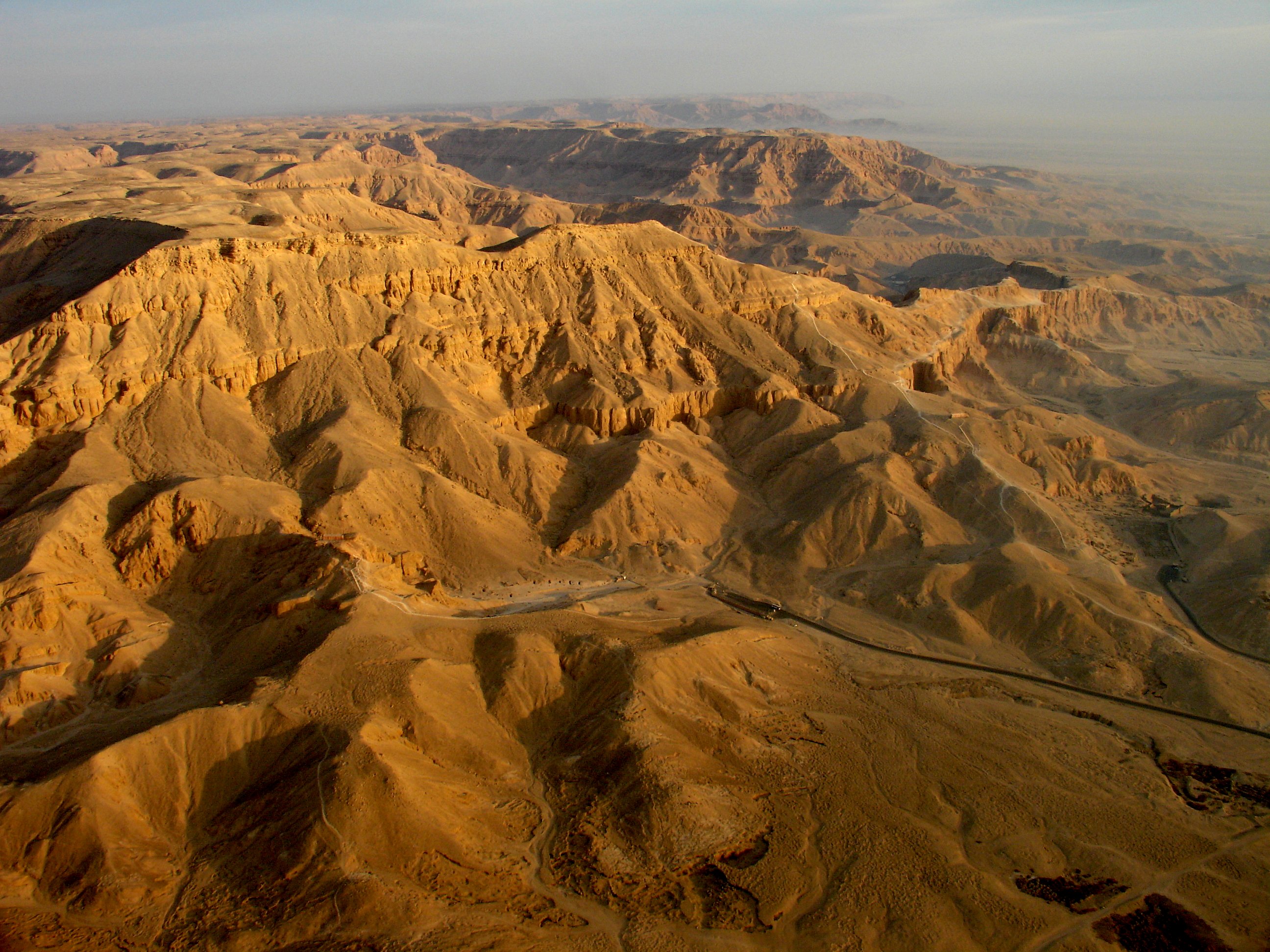
LuxorValley of the Queens – Luxor West Bank
Visit the Valley of the Queens on Luxor's West Bank to view New Kingdom royal tombs, including QV66 (Nefertari) when open. The site lies about 3–4 km by road from Luxor's Nile corniche (roughly 10–15 minutes). We do not run mass coach tours; our private timed entry slots and an Egyptologist give you 60–90 minutes on site. Unlike cruise-operator stop-offs, this schedule avoids the hottest midday hours and allows time to photograph the decorated burial chambers. Trade-offs: limited shade, low ceilings and uneven stone underfoot in many tombs, and premium-tomb access often requires an extra ticket and advance booking.
From £5
 Luxor
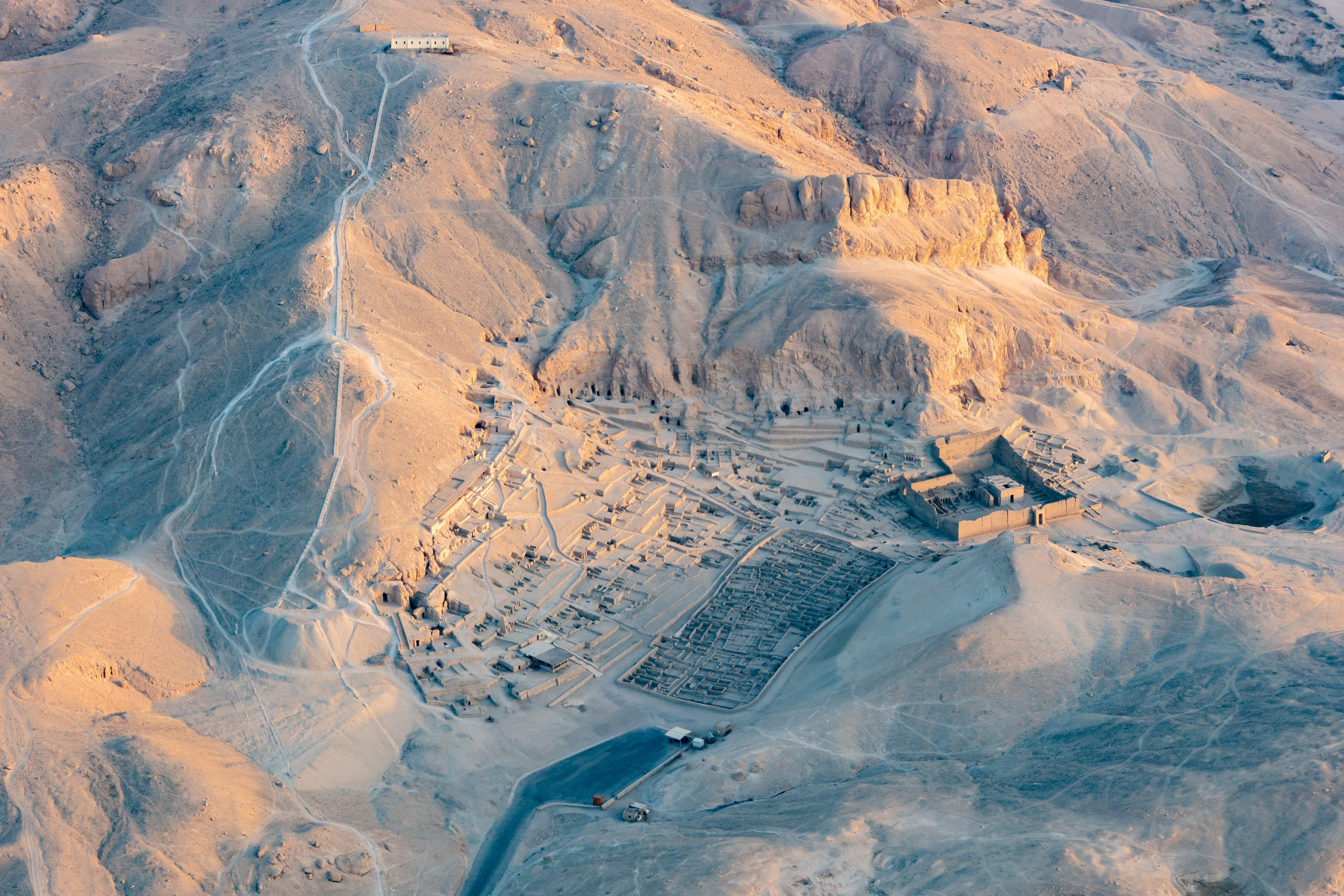
LuxorDeir el-Medina – Luxor West Bank
Deir el‑Medina is the ancient village of the Royal Tomb artisans on Luxor's West Bank. It is part of the UNESCO World Heritage Site 'Ancient Thebes with its Necropolis'. The site comprises houses, a village cemetery and numerous ostraca recording craftsmen's notes and letters. We treat Deir el‑Medina as a focused archaeological visit on private West Bank programmes rather than a rushed coach stop. Unlike the Valley of the Kings, Deir el‑Medina shows domestic life and workshop practice rather than royal tomb architecture. Limited shade and uneven stone make mid‑day visits tiring; a private Egyptologist and shaded transport add value. As a licensed Egyptian tour operator, we arrange timed entry and local guides.
From £2
 Luxor
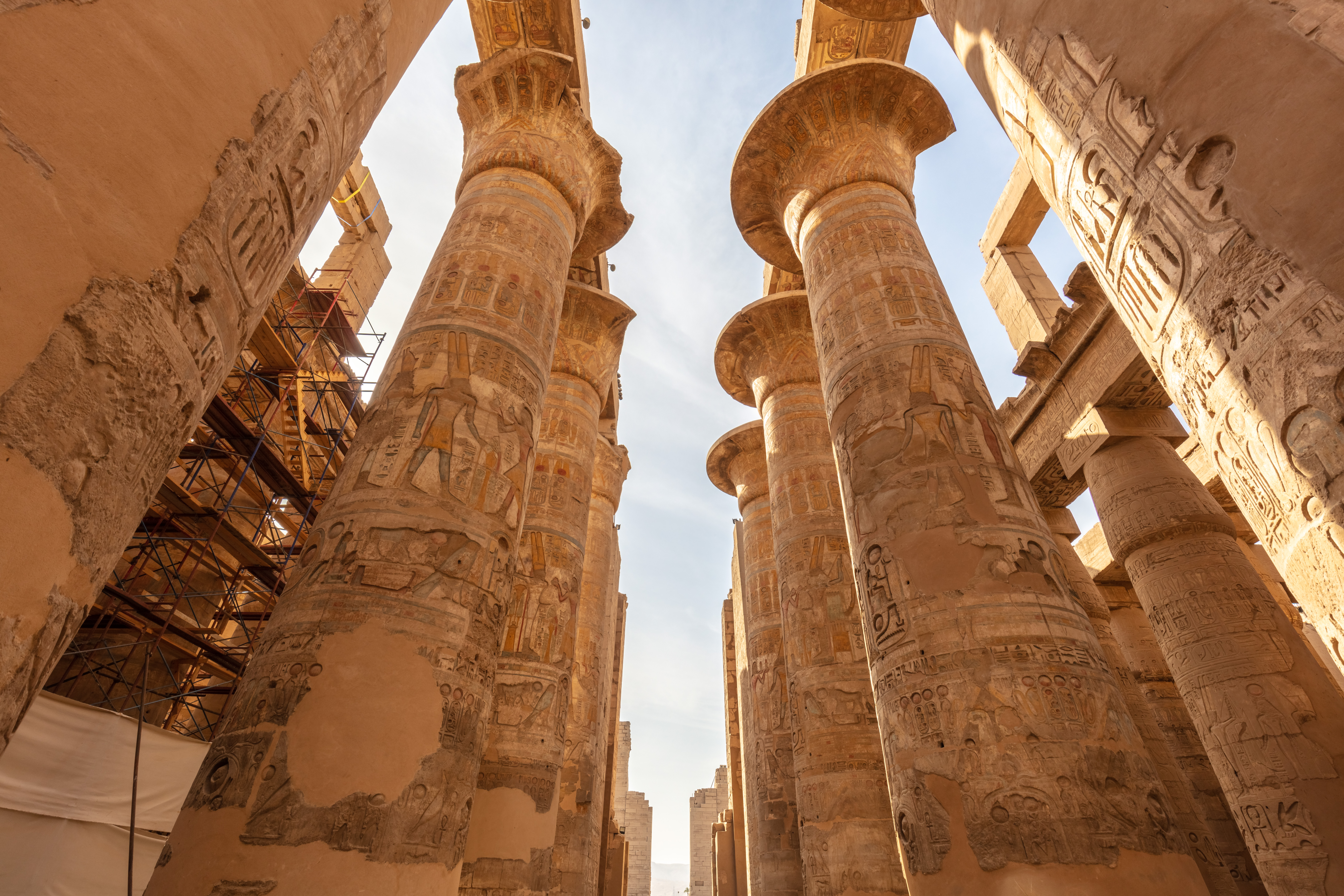
LuxorKarnak Temples (includes the Sacred Lake) – Luxor
This guided visit covers the Karnak Temple complex in Luxor and includes the Sacred Lake and the Hypostyle Hall. Karnak sits approximately 2.5 kilometres north of Luxor Temple (about a 10-minute drive). Our Egyptologists allocate 90–120 minutes on site and concentrate on the complex’s architectural phases rather than tourist-led legends. Unlike quick cruise-ship stops, we time the visit to avoid the busiest coach arrivals where possible. Entrance to Karnak and the Sacred Lake is included. Practical cons: limited shade at midday and uneven ancient stone underfoot; we recommend early starts and sturdy footwear.
From £13