Luxor Temple (East Bank, Luxor)
Admission to Luxor Temple’s forecourt, colonnaded court and visitor-accessible inner sanctuaries; opening hours vary seasonally, so check before visiting.
At a glance
- Departs
- Daily
The short answer
Luxor Temple Entry Ticket grants admission to the temple precinct in Luxor, including visitor-accessible areas, booked and arranged by Discovery Tours Egypt.
- Cultural
- Archaeology & history
Snapshot
Good to know
- Time to allow
- Open seasonally varying hours
- Travel style
- Self-Guided Entry
- Arranged by
- Arranged by Discovery Tours Egypt
- Destinations
- Luxor Temple
- Includes
- Entry to Luxor Temple · Access to the forecourt · Access to the colonnaded central court · Access to visitor-open inner sanctuary areas · Views of monuments attributed to Amenhotep III and Ramesses II
- Best for
- Independent visitors · Ancient Egyptian history enthusiasts · Architecture enthusiasts · Visitors staying in Luxor
Best time to go
October to April is generally more comfortable for daytime visits, with typical daytime temperatures around 22–32°C; May to September can exceed 35°C, so early morning or late afternoon is preferable. Visitor numbers can rise during peak holiday periods, and Ramadan or major Egyptian holidays may affect site routines, so check current opening hours before setting out.
- Discovery Tours Egypt is a licensed Egyptian tour operator.
- The ticket is delivered by email as a PDF after booking confirmation.
- The listed ticket inclusion is entry to the site; transport and professional Egyptologist services are excluded.
02Overview
A first look
Luxor Temple stands on Luxor’s east bank and was built mainly under Amenhotep III and Ramesses II. It is part of the UNESCO World Heritage site Ancient Thebes with its Necropolis.
Background
The facts
Luxor Temple is an ancient Egyptian temple complex on the east bank of the Nile in Luxor. Its major construction began under Amenhotep III in the 14th century BCE. An entry ticket provides admission to the temple precinct, including areas open to visitors under site restrictions.
The complex lies within the modern city centre and is within walking distance of Karnak Temple along the Avenue of Sphinxes. The precinct includes a forecourt, a colonnaded court and inner sanctuary areas. The seated colossi of Ramesses II stand near the entrance.
Tutankhamun, Horemheb, Ramesses II and Ramesses III also contributed to the complex. Luxor Temple forms part of ancient Thebes, a UNESCO World Heritage property that includes Karnak, the Valley of the Kings and the Mortuary Temple of Hatshepsut. The mosque of Abu al-Hajjaj is built within the temple complex.
Access is through the main entrance. Opening hours and last admission vary seasonally, so check the official site before travelling. Photography rules may vary and should be confirmed at the entrance. Tickets are sent by email as a PDF; check whether a printed copy is required and print it if unsure.
Named in this entry
Luxor Temple·Amenhotep III·Tutankhamun·Horemheb·Ramesses II·Ramesses III·The Avenue of Sphinxes·Karnak Temple·Thebes·UNESCO World Heritage·Valley of the Kings·Mortuary Temple of Hatshepsut·Abu al-Hajjaj Mosque
Suited to
Is this for you?
Yes, if
- This entry ticket suits independent visitors, history enthusiasts and short-stay travellers who want to explore Luxor Temple at their own pace. It is best for adults and older children who are comfortable walking over uneven stone and through busy areas.
Maybe not, if
- Choose another visit if you need step-free access throughout or prefer a structured, guided experience. Midday heat and limited shade can also make an unhurried visit uncomfortable in summer.
What lingers
- 01Luxor Temple (east bank, central Luxor) mainly built by Amenhotep III and Ramesses II; part of Ancient Thebes UNESCO site.
- 02Illuminated nightly; most visitors prefer visits after 17:00 when temperatures drop and relief carvings are easier to see.
- 03Connected to Karnak Temple by the Avenue of Sphinxes – a 2.7 km processional route between the two temple complexes.
- 04Unlike cruise timetables, we schedule private guided visits with one of our Egyptologists, allowing 60–90 minutes.
- 05Limited shade and uneven ancient stone underfoot; wear sturdy shoes and expect an early or evening visit to avoid midday heat.
Worth knowing
How this compares
Most site tickets provide admission without a personal Egyptologist; this entry ticket is for self-guided access. Unlike a guided visit, transport and professional Egyptologist services are not included.
The fine print
What's included – and what is left out
Included
- Entry ticket to Luxor Temple
Not included
- Professional site interpretation, book separately if required
- Travel to and from Luxor Temple
- Meals and personal spending
- Photography permits or special-access fees, if applicable
- A printed ticket, if the venue does not accept tickets displayed on a screen
Field notes
From our Egyptologists
- 01
Check seasonal opening hours and last admission on the official site shortly before your visit.
- 02
Arrive early to allow time for the entrance check and to explore before the hottest part of the day.
- 03
Ask at the entrance about current photography rules and any permit requirements.
- 04
Print the emailed PDF if you cannot confirm that the entrance accepts tickets displayed on a mobile screen.
Tailor it
Make it yours
This is an admission ticket, not a guided visit; transport, meals and any professional guide service are not included. No ticket upgrades or add-ons are specified, so check separately for any audio guide, photography permit or special-access fees you may need.
Your own specialist deals with each request before you book.
Where it fits
Luxor Temple fits naturally into a stay in Luxor, alongside Karnak Temple and the Luxor Museum. Its central east-bank location also makes it a practical visit before or after exploring the Avenue of Sphinxes.
While you're here
Worth pairing
- The Avenue of SphinxesRight here
- Luxor Museum15 min walk
- Mummification Museum8 min walk
- Karnak Temple3 km
Why book this with us
Three reasons, stated plainly
01
PDF ticket delivered by email after booking confirmation
02
Admission arranged for Luxor's east-bank temple precinct
03
Access includes visitor-open inner sanctuary areas
·In summary
Luxor Temple’s principal construction began under Amenhotep III in the 14th century BCE, with later additions by several rulers. The complex stands in central Luxor and is within walking distance of Karnak Temple along the Avenue of Sphinxes.
Asked & answered
Frequent questions
01When can visitors enter Luxor Temple?
Opening hours for Luxor Temple vary seasonally and are set by Egypt's antiquities authorities. Hours commonly include an evening session when the temple is illuminated; these night hours are popular. Schedules can change during Ramadan and national holidays, so we confirm the exact opening times when we book your visit.02Do I need to buy a ticket for Luxor Temple?
Yes – admission to Luxor Temple requires a paid ticket issued by the Egyptian authorities. Tickets for Luxor Temple are sold separately from Karnak Temple and the Avenue of Sphinxes. As a licensed Egyptian tour operator, we can include the attraction ticket in your arrangements and advise if any temporary closures or restricted-access areas apply.03Can I visit Luxor Temple at night?
Yes – Luxor Temple is open for night visits and is regularly illuminated after sunset. Evening visits are often quieter than daytime and offer better photographic lighting, though uneven ancient stone can make footing trickier. Unlike many cruise shore-excursions, a separate ticket lets you choose an evening entry; we can arrange night-time transfers on request.04Is photography allowed inside Luxor Temple?
Non-commercial still photography for personal use is generally allowed at Luxor Temple. Flash, tripods or professional equipment may be restricted and drone use requires prior permit from the antiquities authority. If you need a commercial or film permit, we can help apply for it as a licensed Egyptian tour operator.05Can visitors access Luxor Temple in a wheelchair?
Luxor Temple has limited wheelchair access because of uneven ancient stone, steps and narrow thresholds. Some entrance ramps exist but ground surfaces include cobbles and loose sand; independent wheelchair access cannot be guaranteed. We can arrange a private car, porter assistance and a nearby drop-off to reduce walking, but please contact us with mobility details before booking.06What clothing is suitable for a visit to Luxor Temple?
Dress modestly: shoulders and knees should be covered when visiting Luxor Temple and nearby religious sites. Bring a sun hat, sunscreen and sturdy closed shoes for walking on uneven stone; evenings can be cooler so a light layer helps. During Ramadan, modest dress is especially important and opening times may change, so plan accordingly.
Last updated 8 March 2025Product ID: TKT-LUX-588462
You Might Also Like
 Luxor
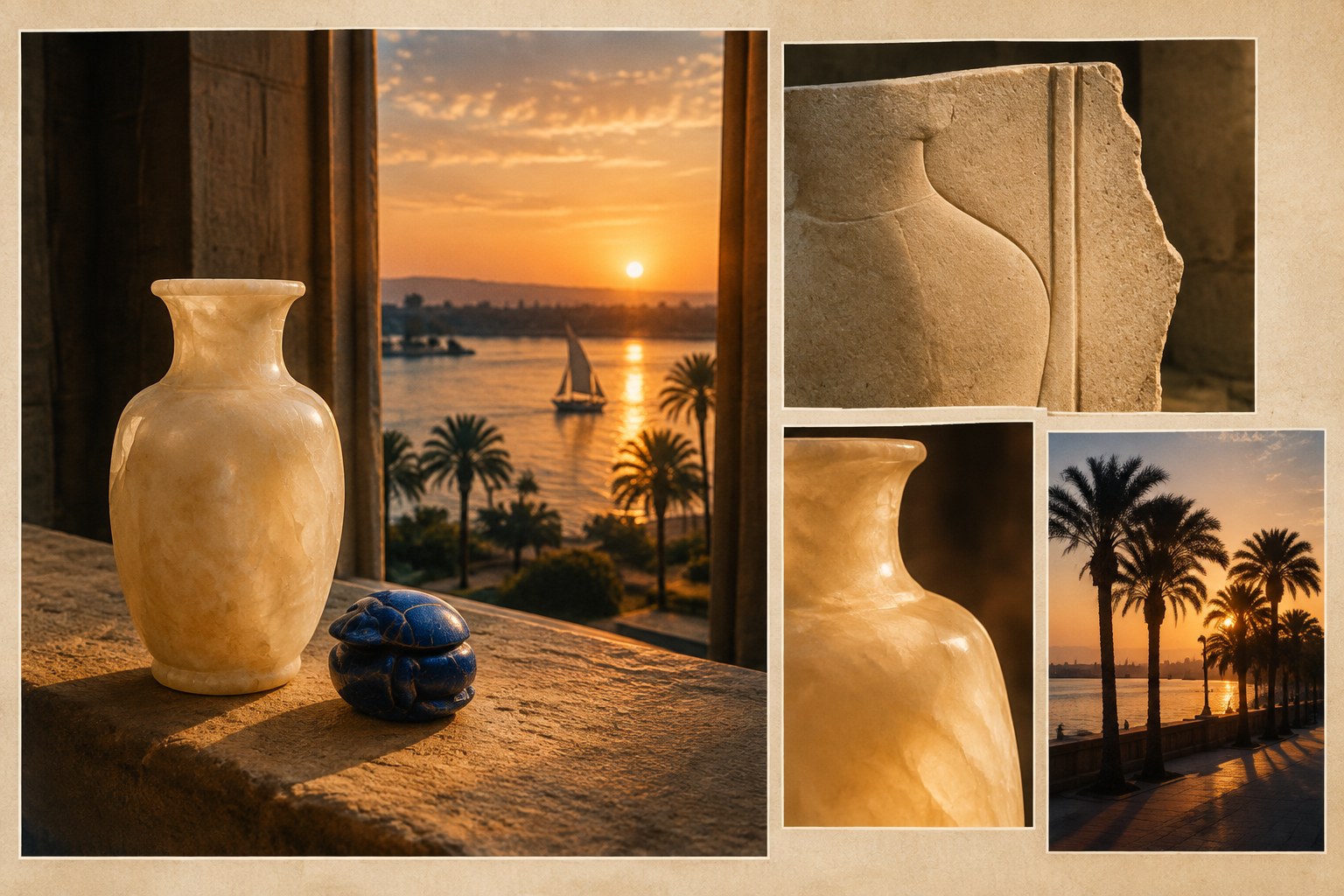
LuxorLuxor Museum – Entrance Ticket & Egyptologist
This ticket grants access to Luxor Museum, the compact museum close to Luxor Temple that displays New Kingdom sculpture and funerary objects. We recommend 60–90 minutes for a focused visit; our Egyptologists often pair it with a late-afternoon Luxor Temple visit to avoid cruise-ship crowds. Unlike large coach itineraries, we schedule early-or-late museum times to reduce overlap with cruise passengers. Trade-offs: the galleries are small and can feel busy during peak cruise season, and seating is limited. Standard entrance is included; we can add a private licensed guide and private car on request.
From £9
 Luxor
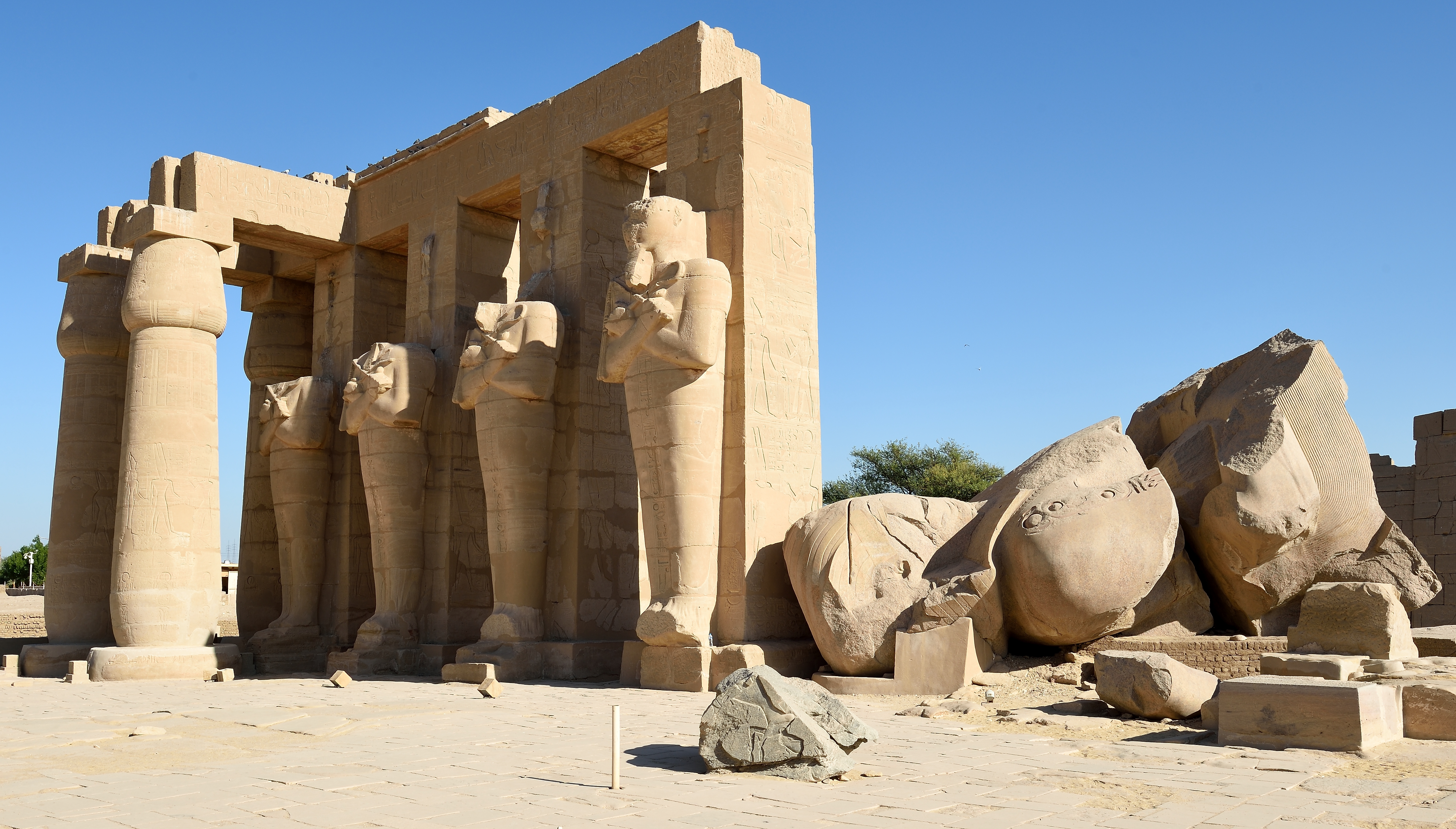
LuxorRamesseum (Mortuary Temple of Ramses II), Luxor West Bank
The Ramesseum is Ramses II's mortuary temple on Luxor's West Bank, part of the UNESCO World Heritage Site Ancient Thebes with its Necropolis. We schedule 45–60 minutes here rather than the 15–20 minutes many coach tours allow, so you can study the reliefs and the fallen colossus without rushing. Our Egyptologist explains the temple layout, surviving inscriptions and later reuse of blocks. Standard site entrance fees are included; photography without flash is normally permitted. Practical cons: limited shade at midday and walking on uneven ancient stone. We arrange a private transfer from Luxor city centre (about 5 km, 15–20 minutes' drive).
From £4
 Luxor
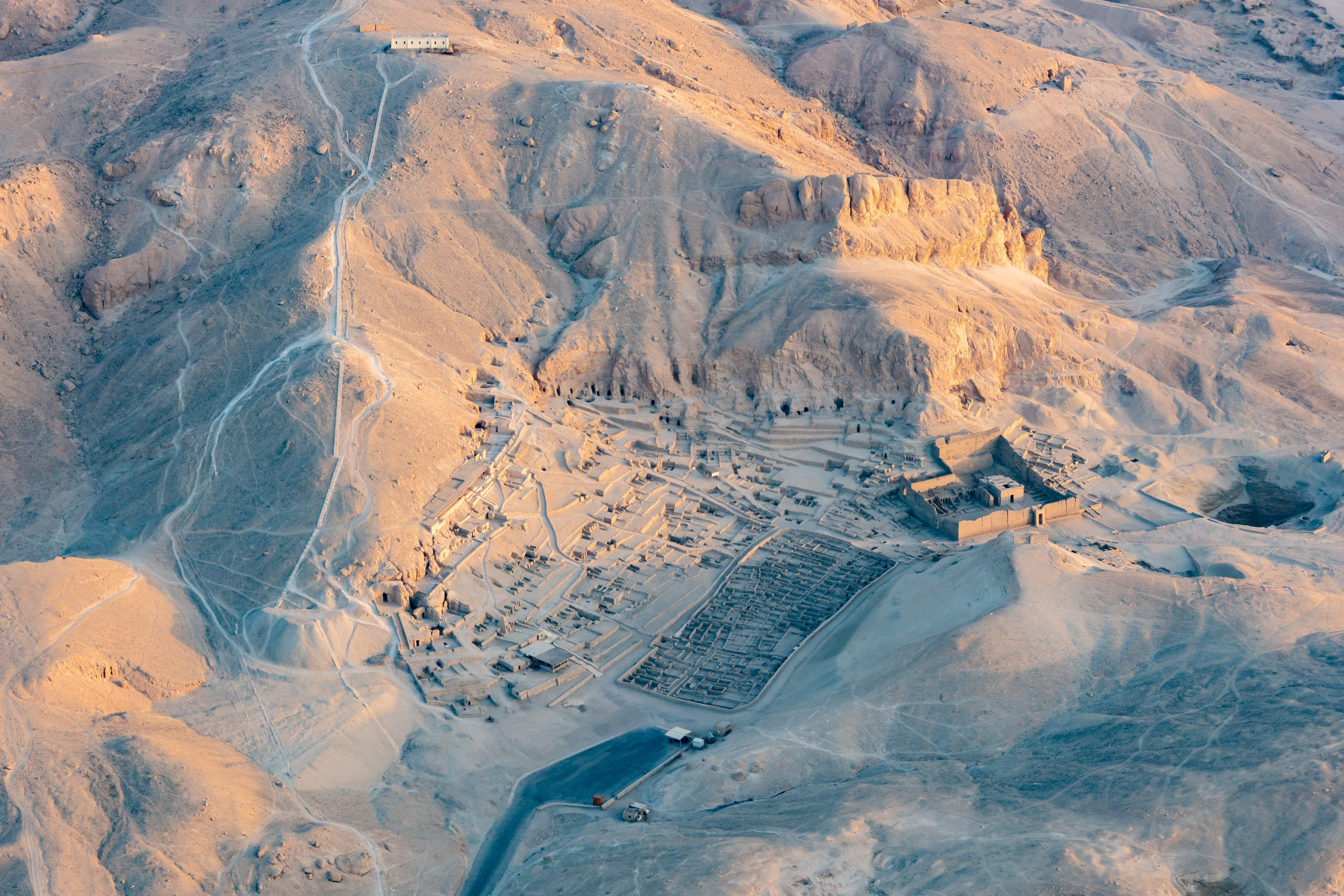
LuxorDeir el-Medina – Luxor West Bank
Deir el‑Medina is the ancient village of the Royal Tomb artisans on Luxor's West Bank. It is part of the UNESCO World Heritage Site 'Ancient Thebes with its Necropolis'. The site comprises houses, a village cemetery and numerous ostraca recording craftsmen's notes and letters. We treat Deir el‑Medina as a focused archaeological visit on private West Bank programmes rather than a rushed coach stop. Unlike the Valley of the Kings, Deir el‑Medina shows domestic life and workshop practice rather than royal tomb architecture. Limited shade and uneven stone make mid‑day visits tiring; a private Egyptologist and shaded transport add value. As a licensed Egyptian tour operator, we arrange timed entry and local guides.
From £2