Nubian Museum, Aswan
Admission to the Nubian Museum’s galleries and reconstructed village in Aswan; opening hours vary seasonally, so check the official site before visiting.
At a glance
- Departs
- Daily
The short answer
Nubian Museum Entry Ticket is an admission ticket to the museum’s permanent galleries and reconstructed Nubian village in Aswan, booked and arranged by Discovery Tours Egypt.
- Cultural
- Archaeology & history
Snapshot
Good to know
- Time to allow
- Self-paced
- Travel style
- Self-Guided Entry
- Arranged by
- Arranged by Discovery Tours Egypt
- Destinations
- Nubian Museum
- Includes
- Entry to the Nubian Museum · Access to permanent archaeological galleries · Access to ethnographic displays · Reconstructed Nubian village displays · Audio-visual displays and interpretive panels · PDF ticket sent by email
- Best for
- Nubian heritage enthusiasts · Museum visitors · Independent travellers · History and archaeology enthusiasts
Best time to go
October to April is generally more comfortable in Aswan, with typical daytime temperatures around 22–32°C; from May to September, temperatures often reach 35°C or higher, making an early visit easier. Check the museum’s official site for current hours, particularly during Ramadan and major public holidays, when opening patterns may differ.
- Discovery Tours Egypt is a licensed Egyptian tour operator.
- The ticket category is selected at booking.
- The ticket is sent by email as a PDF after booking confirmation.
- The museum’s opening hours vary seasonally, and visitors are advised to check official information before travelling.
02Overview
A first look
Opened in 1997, the Nubian Museum in Aswan documents the archaeology, history and living culture of Nubia. Many exhibits relate to communities and material culture displaced by the construction of the Aswan High Dam.
Background
The facts
The Nubian Museum in Aswan presents the archaeology, history and ethnography of Nubia. Its collections include objects and monuments linked to Nubian communities affected by the construction of the Aswan High Dam.
The museum stands near Aswan’s southern edge, within practical reach of the city centre and Nile Corniche. Permanent galleries contain archaeological and domestic objects, while a reconstructed Nubian village gives context to regional building traditions and everyday life. A visit typically takes 60–90 minutes.
Collections span prehistoric Nubia through Pharaonic, Christian and Islamic periods. Displays include material salvaged before areas were flooded by the Aswan High Dam, alongside exhibits on the relocation of temples and settlements during UNESCO-supported salvage campaigns in the 1960s and 1970s.
Opening hours vary by season, so check the museum’s official information before travelling. Photography rules may vary and should be confirmed at the entrance. The ticket is delivered by email as a PDF; print it if you are unsure whether the museum accepts a screen copy.
Named in this entry
Nubian Museum·Aswan·Nubia·The High Dam at Aswan·Nile Corniche·UNESCO·Pharaonic Nubia·Christian Nubia·Islamic Nubia·Nubian village
Suited to
Is this for you?
Yes, if
- This entry ticket suits adults, students and independent travellers interested in Nubian archaeology, history and everyday life. It works well for couples, solo visitors and families with school-age children who prefer to explore at their own pace.
Maybe not, if
- Choose a more interactive visit if you want a structured explanation throughout the galleries, as admission does not include a professional Egyptologist. Opening hours vary seasonally, so it may not suit visitors with a tightly fixed schedule unless they check ahead.
What lingers
- 01Opened in 1997, the Nubian Museum documents Nubia from prehistory to modern times, including Aswan High Dam relocation displays.
- 02Contains life-size Nubian house reconstruction, funerary objects, pottery and textile displays illustrating daily life and religious practices.
- 03Our Egyptologists recommend 60-90 minutes; English and Arabic labels, plus photographic panels on the UNESCO-led rescue campaign.
- 04About 3,000 archaeological and ethnographic items are displayed, many recovered from Nile Valley sites inundated by the High Dam.
- 05Unlike open-air Nubian village visits, the museum preserves fragile artefacts and provides museum-quality interpretation.
- 06We avoid large coach groups; most clients visit privately with an Egyptologist for detailed historical and cultural context.
Worth knowing
How this compares
Most brief riverfront museum stops leave little time for the galleries. This ticket provides admission for an independent visit, with no transport or professional Egyptologist guide included.
The fine print
What's included – and what is left out
Included
- Nubian Museum entry ticket, in the category selected
- Your PDF ticket will arrive by email once you have booked
Not included
- Live interpretation by a professional Egyptologist, bookable separately if required
- Return transport to the Nubian Museum
- Food and drinks
- Photography permits, where required; check the rules at the entrance
- Any optional audio guide fee, if offered by the museum
Field notes
From our Egyptologists
- 01
Allow time for both the indoor galleries and reconstructed village rather than planning only around the archaeological displays.
- 02
Check whether the museum accepts a mobile ticket before setting out; print the PDF if the policy is unclear.
- 03
Ask at the entrance about current photography rules, as requirements can vary.
Tailor it
Make it yours
Choose the ticket category offered at booking; admission is self-paced, with no professional Egyptologist included. Transport is not included, and an optional audio guide may be available for a separate fee.
Your own specialist deals with each request before you book.
Where it fits
The Nubian Museum fits well into a day in Aswan, alongside the Unfinished Obelisk or a visit to Philae Temple. It offers useful context on Nubian communities and monuments relocated during the construction of the Aswan High Dam.
While you're here
Worth pairing
- Old Cataract Hotel7 min walk
- Unfinished Obelisk20 min walk
- Aswan Railway Station3 km
Why book this with us
Three reasons, stated plainly
01
PDF ticket sent directly to your email after booking
02
Permanent galleries and reconstructed village included
03
Clear advice on seasonal opening hours and ticket printing
·In summary
Allow 60–90 minutes to explore the Nubian Museum’s permanent galleries and reconstructed village. The Aswan museum traces Nubian material culture from prehistoric periods through Pharaonic, Christian and Islamic eras, including objects salvaged before flooding linked to the Aswan High Dam.
Asked & answered
Frequent questions
01What are the opening hours of the Nubian Museum?
The Nubian Museum in Aswan is normally open daily; hours vary seasonally – check locally before you travel. Gate times commonly follow standard Egyptian museum patterns and may change during Ramadan or national holidays. Ask your hotel or contact us and we will confirm the current hours when we arrange your visit.02How long should I allow to visit the Nubian Museum?
Allow 60–90 minutes for a focused visit; two hours if you want to read labels and see temporary exhibitions. Compared with a Nile felucca or Philae Temple visit, the museum is shorter and fits into a morning or late-afternoon slot. We do not run large coach groups there; we arrange private guided visits with our Egyptologists to avoid queues and add Nubian cultural context.03May I take photographs inside the Nubian Museum?
Photography for personal use is usually allowed in the Nubian Museum, but flash and tripods are often prohibited. Signage at each gallery explains restrictions and museum staff may charge a small supplemental fee for professional equipment. If you require a photography permit or want an extended session, tell us in advance and we will request permission on your behalf.04Is it necessary to purchase Nubian Museum tickets in advance?
Tickets are available at the museum ticket office; advanced booking is recommended in high season or for guided visits. Standard entrance fees to Egyptian museums are normally included in our quotations unless stated otherwise. As a licensed Egyptian tour operator we can pre-purchase tickets and confirm guided timings to match your Aswan schedule.05Is the Nubian Museum accessible for wheelchair users or visitors with mobility issues?
The Nubian Museum has some level access on the ground floor, but a few galleries involve steps and uneven flooring. Expect short ramps and variable door widths; some displays are on raised platforms or require a short step up. If mobility is limited, tell us when you book so we can plan an accessible route and arrange assistance from our guide or driver.06Does the Nubian Museum have a café, shop and toilets?
The Nubian Museum has a small shop and visitor toilets; a café is not guaranteed. The shop typically sells books, prints and small crafts related to Nubian culture, and toilets are on the premises. If you prefer a guaranteed refreshment stop, we can include a coffee break at a partner café in Aswan as part of your private visit.
Last updated 8 March 2025Product ID: TKT-ASW-495766
You Might Also Like
 Aswan
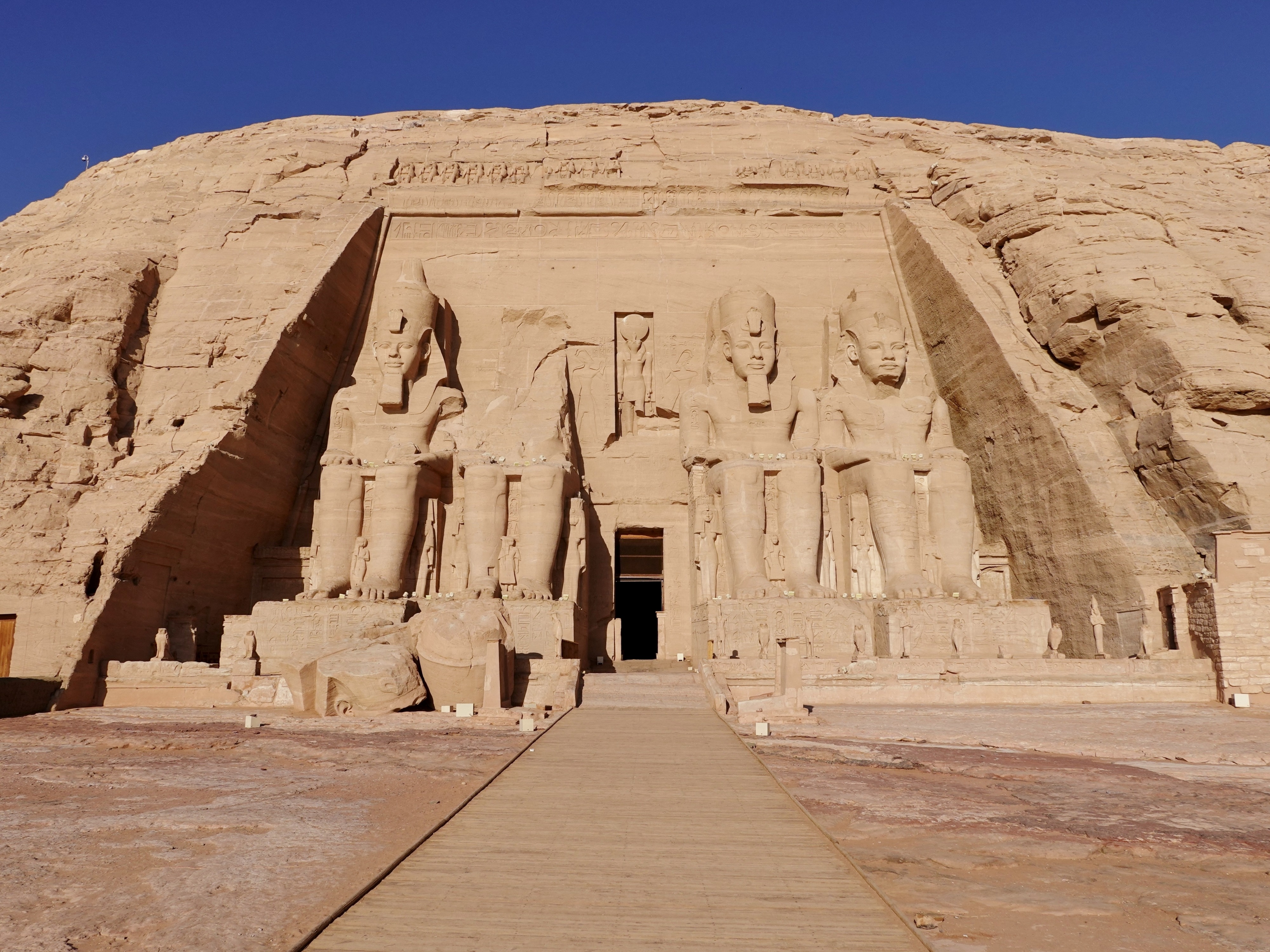
AswanAbu Simbel Temples – Ramses II & Nefertari (Aswan)
Abu Simbel lies about 280 km south of Aswan and is reached by a 40‑minute flight or a 3.5–4 hour road transfer. As a licensed Egyptian tour operator, we arrange private early flights and timed private‑car arrivals so clients avoid coach crowds and the hottest hours. The twin sites are the Great Temple of Ramesses II and the Small Temple of Nefertari, moved to higher ground between 1964 and 1968 during an international relocation campaign and included in the Nubian Monuments UNESCO listing. Trade‑offs: a same‑day return requires an early start and either a long road journey or a small‑plane seat; shade is limited on the forecourt.
From £24
 Aswan
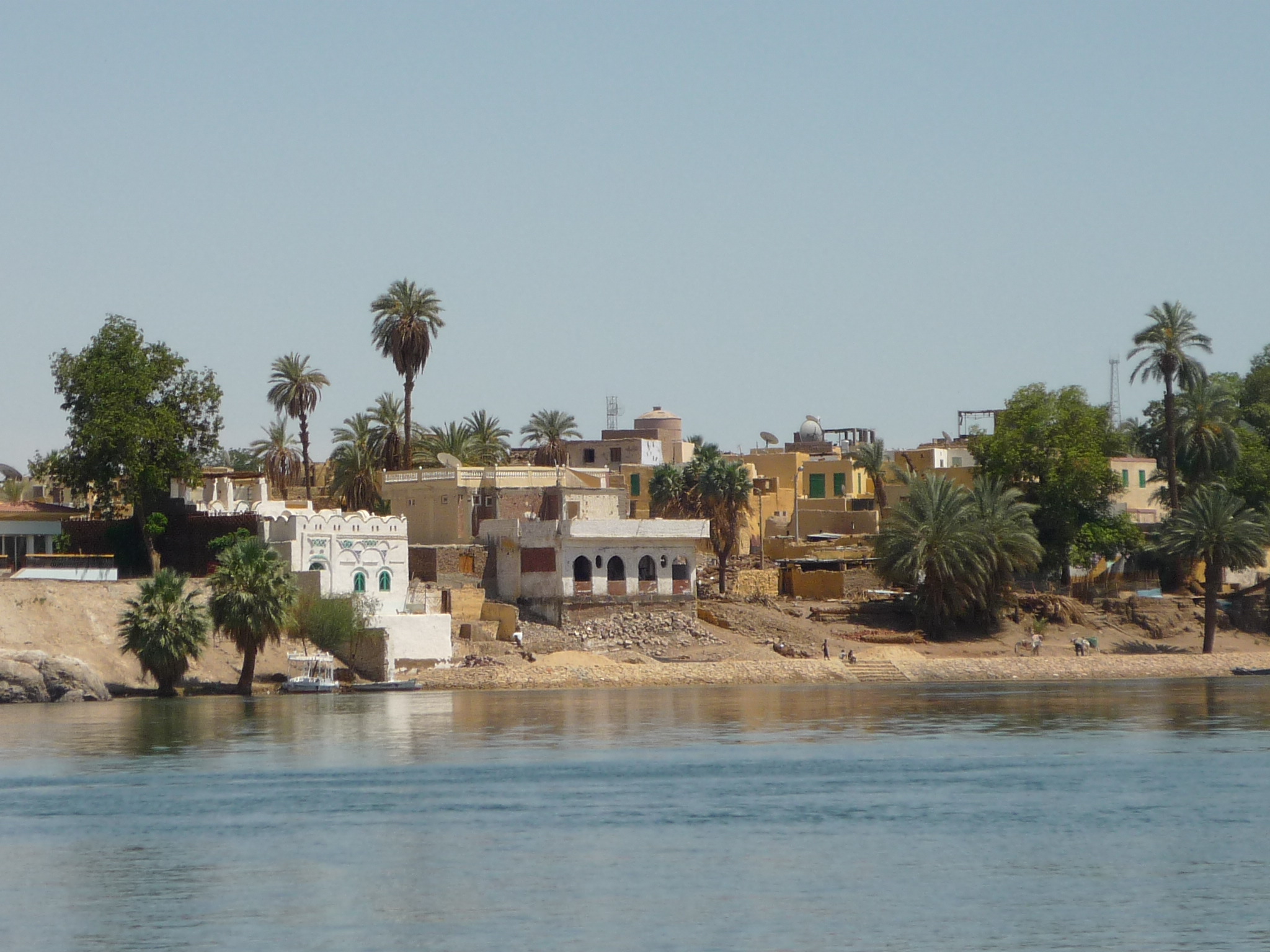
AswanElephantine Island, Aswan
Elephantine Island sits in the Nile opposite central Aswan and contains the Aswan Museum, the island Nilometer and the Temple of Khnum. We are a licensed Egyptian tour operator and we arrange private motorboat crossings and a licensed local guide for every visit. Unlike cruise-ship tenders that rush ashore, we schedule 2–3 hours so you can see the museum, walk to Khnum’s ruins and inspect the Nilometer without hurrying. Practical downsides: limited shade at midday, uneven ancient stone underfoot and a handful of steep steps. Entrance fees are standardly included; museum opening times vary by season.
From £4
 Aswan
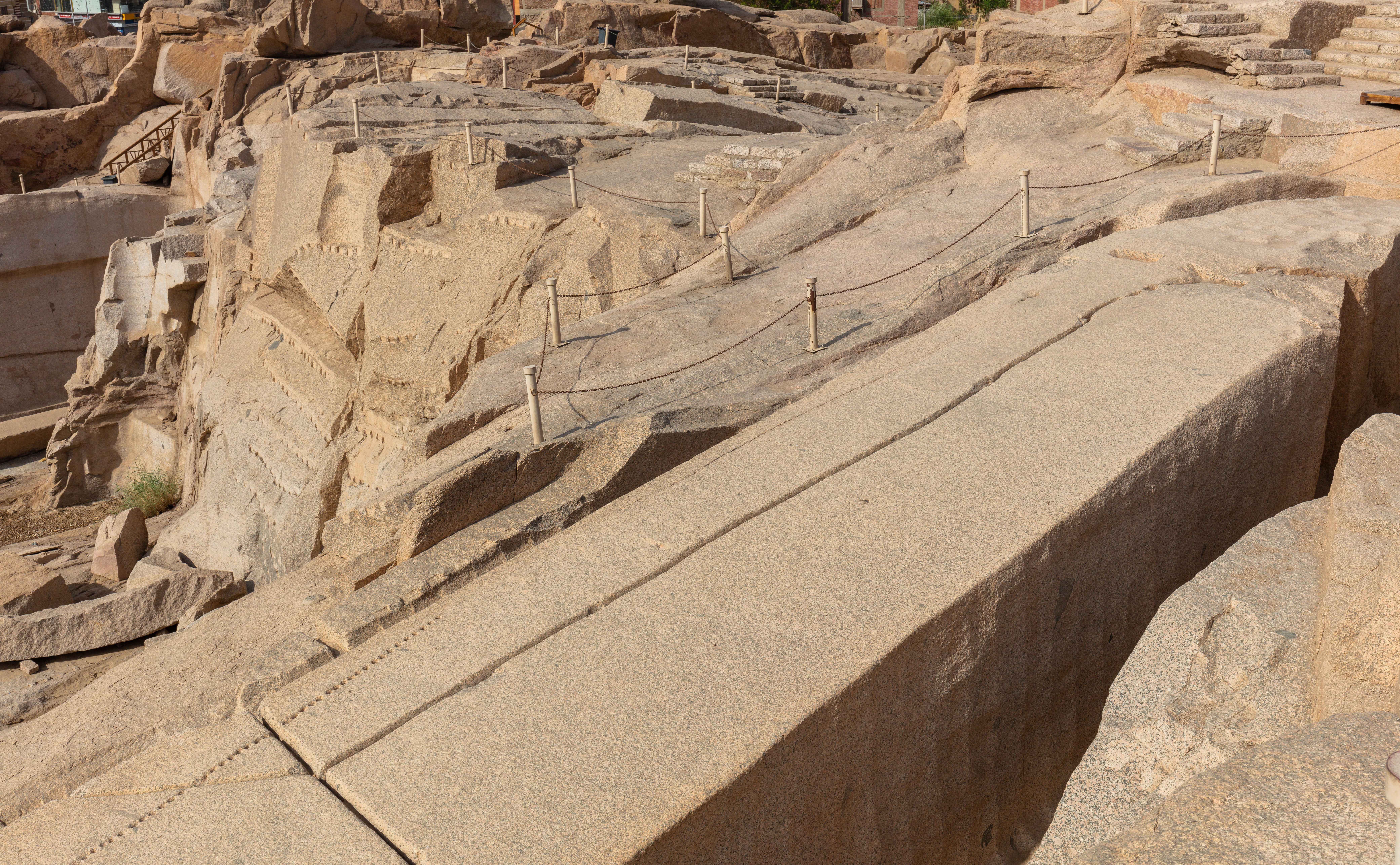
AswanUnfinished Obelisk, Aswan
The Unfinished Obelisk sits in Aswan's northern quarry and preserves an uncompleted 42-m obelisk still attached to bedrock. We are a licensed Egyptian tour operator; our Egyptologists explain the visible chisel marks, drilling holes and the ancient techniques for cutting and moving granite. Unlike hurried cruise-ship shore calls, we schedule time to study the quarry faces and the tool marks rather than only photograph the monument. Note the site requires short walks across uneven stone and offers very limited shade; we recommend an early visit to avoid the midday sun.
From £4