Elephantine Island, Aswan
Admission includes Elephantine Island’s archaeological remains, its on-site museum and the historic Nilometer beside the Nile at Aswan.
At a glance
- Departs
- Daily
The short answer
Elephantine Island Entry Ticket grants admission to the island’s archaeological areas in Aswan, booked and arranged by Discovery Tours Egypt.
- Cultural
- Archaeology & history
Snapshot
Good to know
- Time to allow
- Self-paced
- Travel style
- Self-Guided Entry
- Arranged by
- Arranged by Discovery Tours Egypt
- Destinations
- Elephantine Island
- Includes
- Entry to Elephantine Island archaeological areas · Access to open archaeological remains · Admission to the on-site archaeological museum · Access to the Nilometer area
- Best for
- Independent travellers · Archaeology enthusiasts · History enthusiasts · Nile-side walkers
Best time to go
October to April is generally more comfortable for walking, with daytime temperatures often around 22–32°C; May to September can bring temperatures above 35°C, so arrive early. Visitor numbers and opening hours may change during Ramadan and major holidays, so check current arrangements before going.
- Discovery Tours Egypt is a licensed Egyptian tour operator.
- Admission is specified for the island’s archaeological areas, on-site museum and Nilometer area.
- The ticket is delivered as a PDF after booking confirmation.
- Transport, meals, drinks and photography permits are not included.
- Gratuities for site staff are not included.
02Overview
A first look
Elephantine Island is a short motorboat crossing from the Aswan Corniche and sits within the Nile channel beside Aswan city. The island contains the Aswan Museum, the Temple of Khnum ruins, the ancient Nilometer and riverside Nubian settlement areas.
Background
The facts
Elephantine Island is an island in the Nile at Aswan with archaeological remains spanning the Old Kingdom, Ptolemaic and Roman periods. Its position near the First Cataract made it a frontier settlement, trading point and religious centre in ancient Egypt.
The ticket covers the island’s open archaeological areas, including temple remains and traces of ancient settlement, as well as the on-site archaeological museum and the Nilometer area. The island is reached by local boat from the Nile riverfront near central Aswan; visitors explore the site on foot.
The Nilometer was used to record Nile water levels and inundation, information relevant to agricultural planning and taxation. Elephantine’s archaeological record reflects settlement across several periods, from the Old Kingdom through Roman times.
Opening hours vary seasonally, so check current information before travelling or arrive early. Aswan can be particularly hot from late spring through early autumn. Photography rules may vary, so check at the entrance. The ticket is sent as a PDF after booking; check whether a printed copy is required and print it if in doubt.
Named in this entry
Elephantine Island·Aswan·Nile·First Cataract·Nilometer·Old Kingdom·Ptolemaic period·Roman period
Suited to
Is this for you?
Yes, if
- This entry ticket suits independent adults, couples and older children interested in Nile history, archaeology and relaxed outdoor walks. It offers a flexible, self-guided visit, with archaeological paths that can be uneven underfoot.
Maybe not, if
- Choose another Aswan visit if you need step-free access throughout or prefer an indoor attraction with extensive shade. Summer heat and open, uneven ruins can make a longer visit tiring.
What lingers
- 01Short boat transfer from Aswan Corniche (approx 5–10 minutes) to Elephantine Island's archaeological area and quay.
- 02Explore the Temple of Khnum and Temple of Satet; visible reliefs largely date to Ptolemaic and Roman periods.
- 03See the Nilometer, used historically to record Nile flood levels for taxation and agriculture.
- 04Aswan Museum displays island finds including pottery and granodiorite statues; allow 45–60 minutes for both sites.
- 05Unlike busy Philae mornings, we schedule Elephantine visits mid-morning for cooler light and fewer day‑boats.
- 06Limited shade on the island and uneven ancient stone underfoot; bring sun protection and sensible footwear.
Worth knowing
How this compares
Most cruise-based shore calls set a fixed window for visiting Elephantine Island. This entry ticket allows an independent visit at your own pace, without a bundled guided visit or transport.
The fine print
What's included – and what is left out
Included
- Entry ticket to Elephantine Island, including site admission
Not included
- Professional Egyptologist services, available to book separately if required
- Travel to and from the island
- Food and beverages
- Photography permit, if required by the site authority
- Tips for site staff
Field notes
From our Egyptologists
- 01
Carry the PDF ticket and print a copy if you cannot confirm that screen display is accepted at the entrance.
- 02
Check the official site for current opening hours before setting out, as hours vary seasonally.
- 03
Ask at the entrance about current photography rules before taking pictures.
- 04
Plan your local boat journey from the Nile riverfront near central Aswan, then explore the island on foot.
Tailor it
Make it yours
The ticket allows an independent visit at your own pace; transport to the island is arranged separately. No ticket upgrades or site add-ons are specified, and a photography permit may need to be obtained separately if required.
Your own specialist deals with each request before you book.
Where it fits
Elephantine Island fits naturally into a stay in Aswan, alongside visits to Philae Temple and the Nubian Museum. It offers a quieter archaeological contrast to the larger temple complexes around the city.
While you're here
Worth pairing
- Aswan MuseumRight here
- Nubian Museum2 km
- Unfinished Obelisk2 km
- Philae Temple8 km
Why book this with us
Three reasons, stated plainly
01
Ticket arranged through the relevant Egyptian authorities
02
PDF ticket sent after booking confirmation
03
Visit the island independently at your own pace
·In summary
Elephantine Island lies in the Nile near Aswan’s First Cataract and preserves archaeological evidence from the Old Kingdom through the Roman period. Its Nilometer was used to record Nile levels, while the ticket also covers open ruins and the on-site archaeological museum.
Asked & answered
Frequent questions
01What's the best way to reach Elephantine Island from Aswan?
You reach Elephantine Island by a short motorboat or felucca from the Aswan corniche (about 5–10 minutes). We can arrange the crossing from your hotel or the corniche; boats run frequently in the tourist season. We don't run group bus tours – our crossings are private or small shared boats, which reduces waiting time.02What can I see on Elephantine Island?
Elephantine Island contains the Temple of Khnum, the island Nilometer and the Aswan Museum. The archaeological area also shows town ruins and mud‑brick remains spanning Pharaonic to Roman periods. Kitchener's Island (El Nabatat) lies nearby and requires a separate short crossing if you want its gardens included.03How long should I spend on Elephantine Island?
Plan 1.5–3 hours to visit the main sites on Elephantine Island comfortably. Allow longer if you include the Aswan Museum or Kitchener's Island; boat transfer and waiting can add 30–45 minutes. We recommend an early morning or late‑afternoon visit to avoid the strongest sun and limited shade.04Are the Aswan Museum and the nilometer on Elephantine Island?
Yes – both the Aswan Museum and the island Nilometer are located on Elephantine Island. Museum opening hours can vary and some displays close periodically for conservation, so check times in advance. We are a licensed Egyptian tour operator and can confirm which entrances are included with your ticket when you book.05Is Elephantine Island wheelchair accessible?
Elephantine Island has uneven stone paths and limited formal wheelchair access. Boat landings involve steps and soft sand; ramps are not always available and access depends on Nile level. We can arrange a low‑freeboard boat and on‑site assistance, but independent wheelchair access cannot be guaranteed.06Can I visit Elephantine Island by felucca and join a guided walk?
Yes – you can cross by felucca and join a guided walk led by one of our Egyptologists. Felucca crossings take longer than motorboats and depend on wind, so allow extra time; guided walks typically cover the Temple of Khnum, the Nilometer and town ruins. We recommend morning or late‑afternoon starts to avoid high sun; we run private and small‑group walks rather than large coach tours.
Last updated 22 May 2026Product ID: TKT-ASW-658582
You Might Also Like
 Aswan
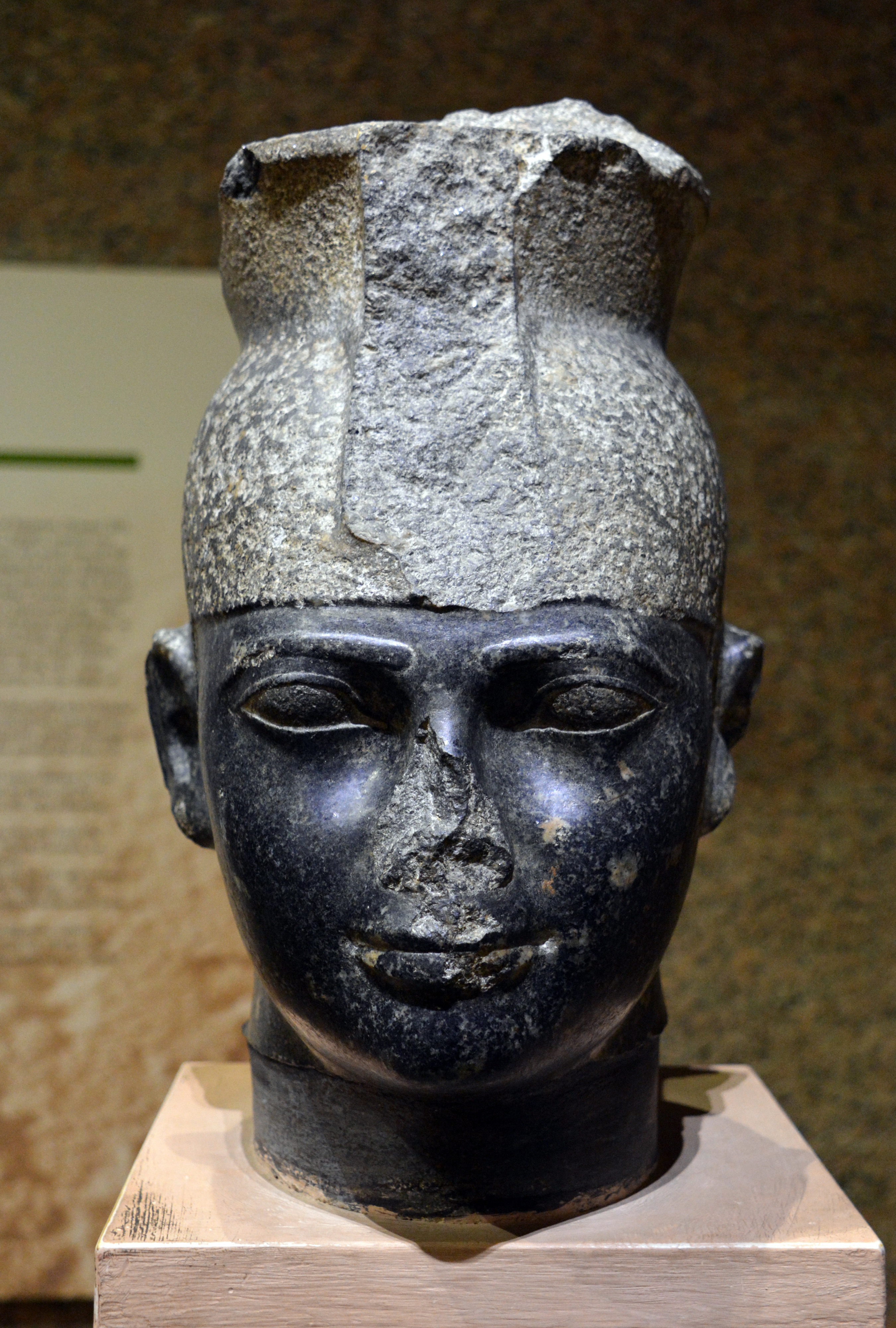
AswanNubian Museum, Aswan
The Nubian Museum in Aswan opened in 1997 to preserve material culture from Nubia displaced by the Aswan High Dam. The displays cover prehistoric finds, Pharaonic-era Nubian objects, pottery, traditional textiles and reconstructed Nubian houses. Our Egyptologists in Aswan recommend a 60–90 minute visit; we arrange timed tickets and a private meet at the museum entrance. We do not cram the museum into a rushed cruise-ship morning – unlike many coach-based excursions, we give you full time to move between galleries. Note: some gallery labels are brief and lighting can be subdued, so a guided visit clarifies context.
From £9
 Aswan
Aswan1 Days
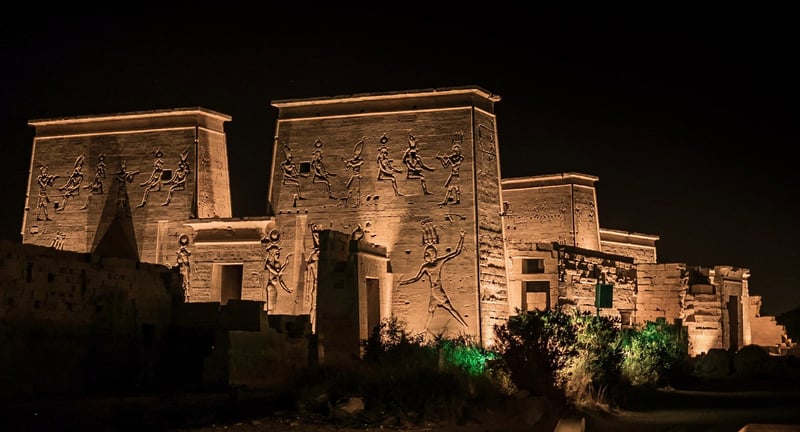
Philae Temple Sound & Light Show Entry Ticket
Philae Temple stands on Agilkia Island in the Nile near Aswan, after its monuments were relocated from Philae Island during the UNESCO-led campaign to save Nubian monuments. This ticket grants admission to the evening Sound & Light Show at the performance time printed on your ticket. The presentation combines lighting across the temple complex with recorded narration; scheduled languages and show times vary, so check the schedule for your ticket. Unlike a daytime monument visit, this admission is for the evening performance. Your PDF ticket is sent by email after booking. Check whether the venue requires a printed copy, and print it if in doubt. Flash photography is prohibited.
From £22
 Aswan
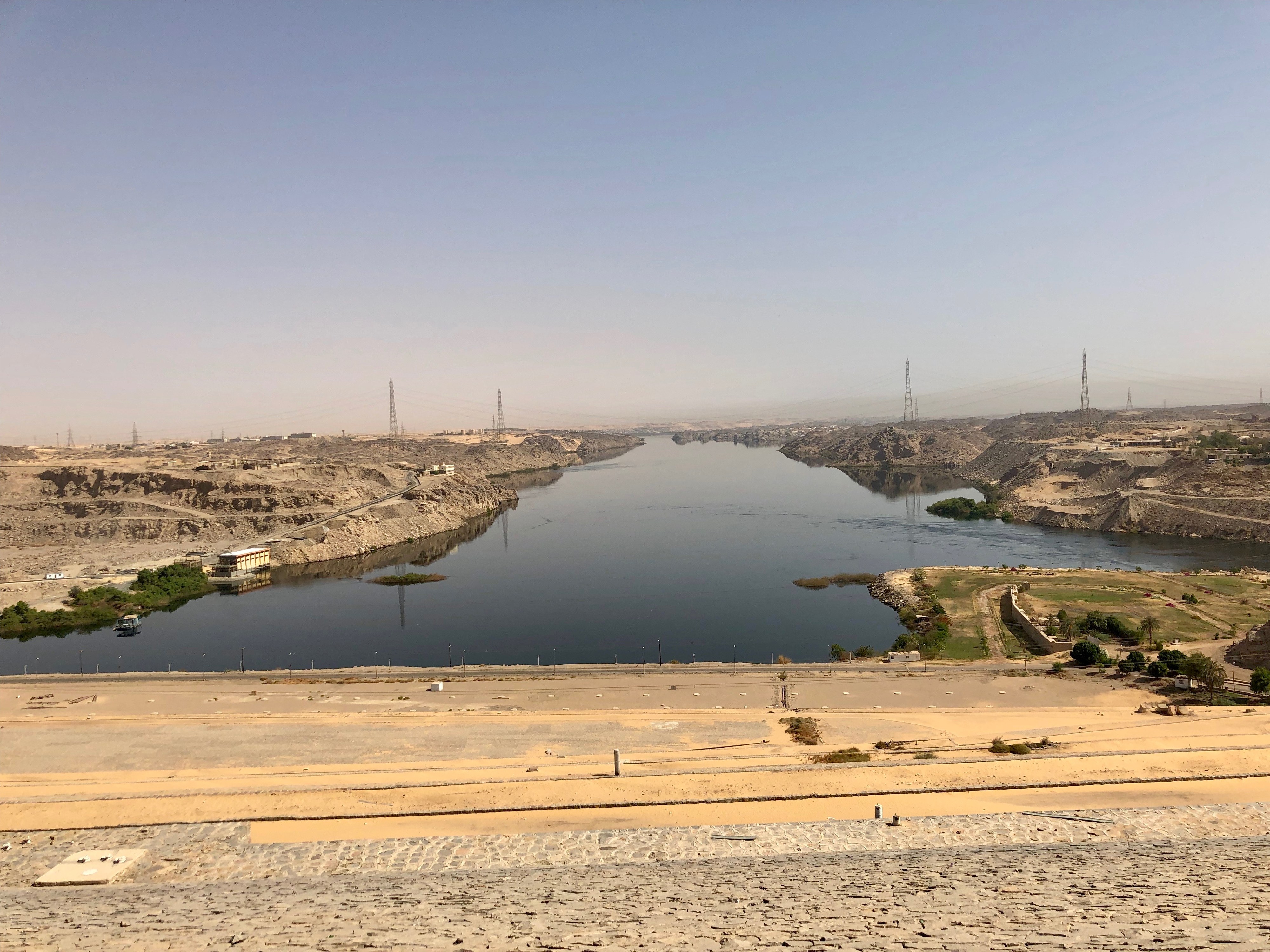
AswanAswan High Dam
The Aswan High Dam, completed in 1970, is a 3.83 km concrete barrier that controls the Nile and created Lake Nasser. We usually combine the High Dam with visits to Philae and the Unfinished Obelisk to keep transfers efficient and minimise repeated driving across Aswan. Unlike cruise itineraries that merely pass the dam, our stop includes the visitor platform and time for photographs. Practical trade-offs: the site is industrial in character, facilities are limited and there is little shade at midday; plan for a 30–45 minute visit. We arrange private transfers and a short guided stop on request.
From £4