Abu Simbel Temples – Ramses II & Nefertari (Aswan)
Admission to the Great Temple of Ramesses II and the Temple of Nefertari, including their forecourts and inner spaces.
At a glance
- Departs
- Daily
The short answer
Abu Simbel Temples Entry Ticket grants admission to the Great Temple of Ramesses II and the Temple of Nefertari in Aswan, booked and arranged by Discovery Tours Egypt.
- Archaeology & history
Snapshot
Good to know
- Time to allow
- Open seasonally; check current opening hours
- Travel style
- Self-Guided Entry
- Arranged by
- Arranged by Discovery Tours Egypt
- Destinations
- Abu Simbel Temples
- Includes
- Dated entry ticket for Abu Simbel Temples · Access to the Great Temple of Ramesses II · Access to the Temple of Nefertari · Entry to the temple precinct and forecourts
- Best for
- Independent travellers · Visitors with their own transport · Multi-site itinerary planners
Best time to go
October to April is generally more comfortable for outdoor walking, while summer can be very hot. No reliable temperature range is supplied for this ticket, so check the forecast and seasonal opening hours before travelling. The 19 February and 21 October solar alignment events attract larger crowds; check opening arrangements during Ramadan and local holidays.
- Discovery Tours Egypt is a licensed Egyptian tour operator.
- The product is an entry ticket for Abu Simbel Temples, not a guided visit.
- The ticket is valid for the selected date.
- Tickets are delivered by email as a PDF after booking confirmation.
- The ticket does not include transport or commentary services.
02Overview
A first look
The Abu Simbel Temples comprise the Great Temple of Ramesses II and the Small Temple of Nefertari. They were dismantled and rebuilt on higher ground between 1964 and 1968 to avoid inundation from the Aswan High Dam.
Background
The facts
Abu Simbel is an archaeological complex of two rock-cut temples on the western bank of Lake Nasser, south of Aswan. An entry ticket admits visitors to the precinct and the areas of the temples open to the public.
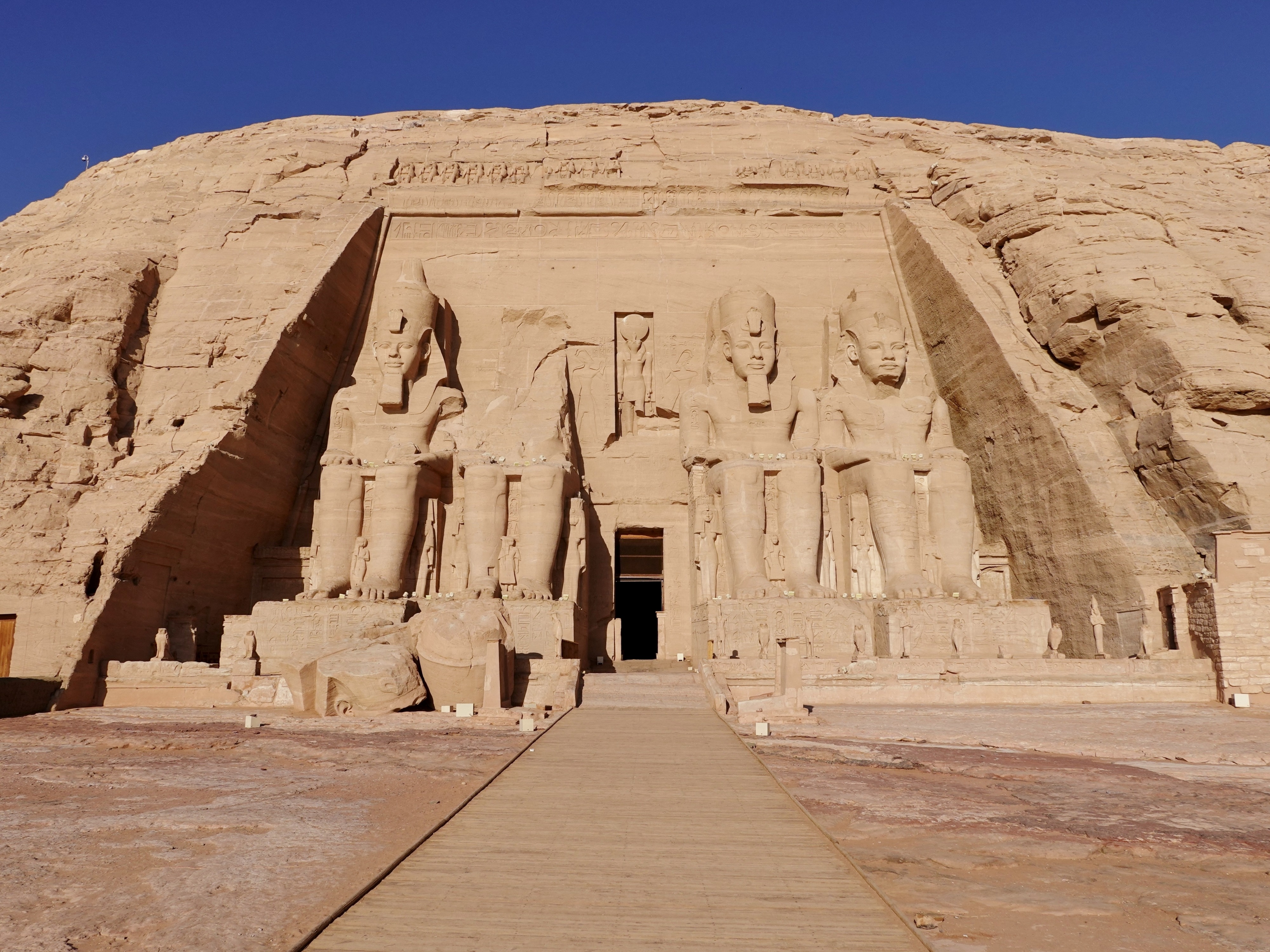
The complex comprises the Great Temple of Ramesses II and the smaller Temple of Nefertari. Visitors can see the forecourts, hypostyle halls and decorated passageways, including colossal statues and carved reliefs.
Both temples date to the 13th century BCE. In the Great Temple, sunlight reaches the sanctuary around 19 February and 21 October. During the 1960s, UNESCO-led international work moved the temples to higher ground before the Aswan High Dam caused Lake Nasser to rise. Workers cut the monuments into blocks and reassembled them at the new site.
Opening hours vary by season, so check current timings with the official site before travelling; arriving early can help avoid the hottest part of the day. Photography rules may vary, so check at the entrance. Transport and commentary are not included with this admission ticket.
Named in this entry
Abu Simbel·Lake Nasser·Aswan·Ramesses II’s Great Temple·Nefertari’s Temple·Ramesses II·Aswan High Dam·UNESCO
Suited to
Is this for you?
Yes, if
- This entry ticket suits independent travellers who have arranged their own transport and want direct admission to Abu Simbel. It appeals to adults, photographers and older children interested in Ramesses II, Nefertari and ancient Egyptian architecture, provided they can manage walking on uneven ground and in heat.
Maybe not, if
- Choose another option if you need transport included or require step-free access throughout the site. Summer heat and uneven surfaces can make the visit tiring for very young children and visitors with limited mobility.
What lingers
- 01Located approximately 280 km south of Aswan (3.5–4 hour drive); transfer by private car or short domestic flight.
- 02Two temples – Ramses II and Nefertari – carved into the cliff face; sunrise alignment occurs 22 February and 22 October.
- 03Standard site entrance fee included; any premium services or private guiding are extra.
- 04We avoid crowded coach itineraries; our Abu Simbel transfers depart early and use private vehicles.
- 05Visiting requires an early start or overnight stay in Abu Simbel; expect limited shade and hot midday sun.
Worth knowing
How this compares
Many Aswan excursions combine transport and a visit to Abu Simbel; this product is admission only. It suits travellers who have arranged their own journey to the site and want a separate entry ticket.
The fine print
What's included – and what is left out
Included
- Entry ticket to the Abu Simbel Temples, valid for your selected date
Not included
- Transfers to and from Abu Simbel
- Professional site interpretation or live commentary, available to book separately
- Audio guide, unless you choose it as an extra option
- Photography permit where required; check the rules at the entrance
- Printed ticket; tickets are emailed as a PDF, so print yours if the venue requires a hard copy
Field notes
From our Egyptologists
- 01
If you plan around the solar alignment, confirm the current event arrangements before travelling for 19 February or 21 October.
- 02
Keep the emailed PDF accessible, and print it if you cannot confirm that screen display is accepted.
- 03
Check photography rules at the entrance, as the policy may vary.
Tailor it
Make it yours
The ticket covers admission only, with transport and live commentary not included. An audio guide or photography permit may be available separately; check the booking options and photography rules at the entrance.
Your own specialist deals with each request before you book.
Where it fits
Add the Abu Simbel Temples to an Aswan stay as a separate site visit. The entry ticket covers admission only, so arrange your journey to Abu Simbel separately.
While you're here
Worth pairing
- Ramesses II’s Great TempleRight here
- Nefertari’s TempleRight here
- Lake NasserRight here
Why book this with us
Three reasons, stated plainly
01
Admission-only option for travellers arranging their own transport
02
One ticket covers both Ramesses II and Nefertari temples
03
Useful for fitting Abu Simbel into a wider Aswan itinerary
·In summary
The two Abu Simbel temples were relocated in the 1960s to higher ground before the Aswan High Dam raised Lake Nasser. In the Great Temple, sunlight reaches the sanctuary around 19 February and 21 October.
Asked & answered
Frequent questions
01How far is Abu Simbel from Aswan and how long does it take to get there?
Abu Simbel is approximately 280 km south of Aswan, about 3.5–4 hours by road. A domestic flight takes roughly 35–45 minutes. Road transfers are long; compared with cruise-ship shore calls, overland visits require more travel time. We usually recommend an overnight stay near Abu Simbel if you prefer not to return the same day.02Can I visit Abu Simbel from Aswan as a day trip?
Yes – you can visit Abu Simbel from Aswan as a long day trip, but expect an early start and long transfers. The road option is 3.5–4 hours each way; flights shorten transfer time but need advance seats. The site has limited shade and strong sun at midday, so many clients prefer an overnight option to avoid a rushed return.03Are entry tickets and fees included for Abu Simbel?
Standard site entrance tickets for Abu Simbel are normally included with attraction-ticket bookings. Special events, premium guided access, gratuities and optional transfers are typically extra. Bring the passport used at booking – Egyptian sites commonly issue tickets against ID, and peak dates sell out early so book in advance.04What should I wear and bring for a visit to Abu Simbel?
Wear light, modest clothing covering shoulders and knees, and bring sun protection (hat, sunglasses, SPF sunscreen). Sturdy shoes help on uneven ancient stone and short steps; carry at least one litre of water per person and a small shade umbrella if you use one. Early-morning visits reduce heat exposure; there is limited shelter at the site.05When is the solar alignment at Abu Simbel and what happens then?
The solar alignment occurs around 22 February and 22 October each year, lighting the Great Temple’s inner sanctuary. The sunlight reaches statues of Ramses II, Amun and Ra‑Horakhty; the statue of Ptah remains in shadow. Dates are approximate, attract larger crowds and often require advance booking; we can advise on exact timings for your travel dates.06Is Abu Simbel accessible for visitors with limited mobility?
Abu Simbel has uneven stone surfaces, temple steps and limited shade; full access can be challenging for some mobility impairments. Vehicle parking and drop-off points may still require a short walk on compacted sand. We are a licensed Egyptian tour operator and can arrange closer drop-offs, additional assistance or quieter visiting times where logistically possible, but complete step-free access is not guaranteed.
Last updated 5 March 2026Product ID: TKT-ASW-572651
You Might Also Like
 Aswan
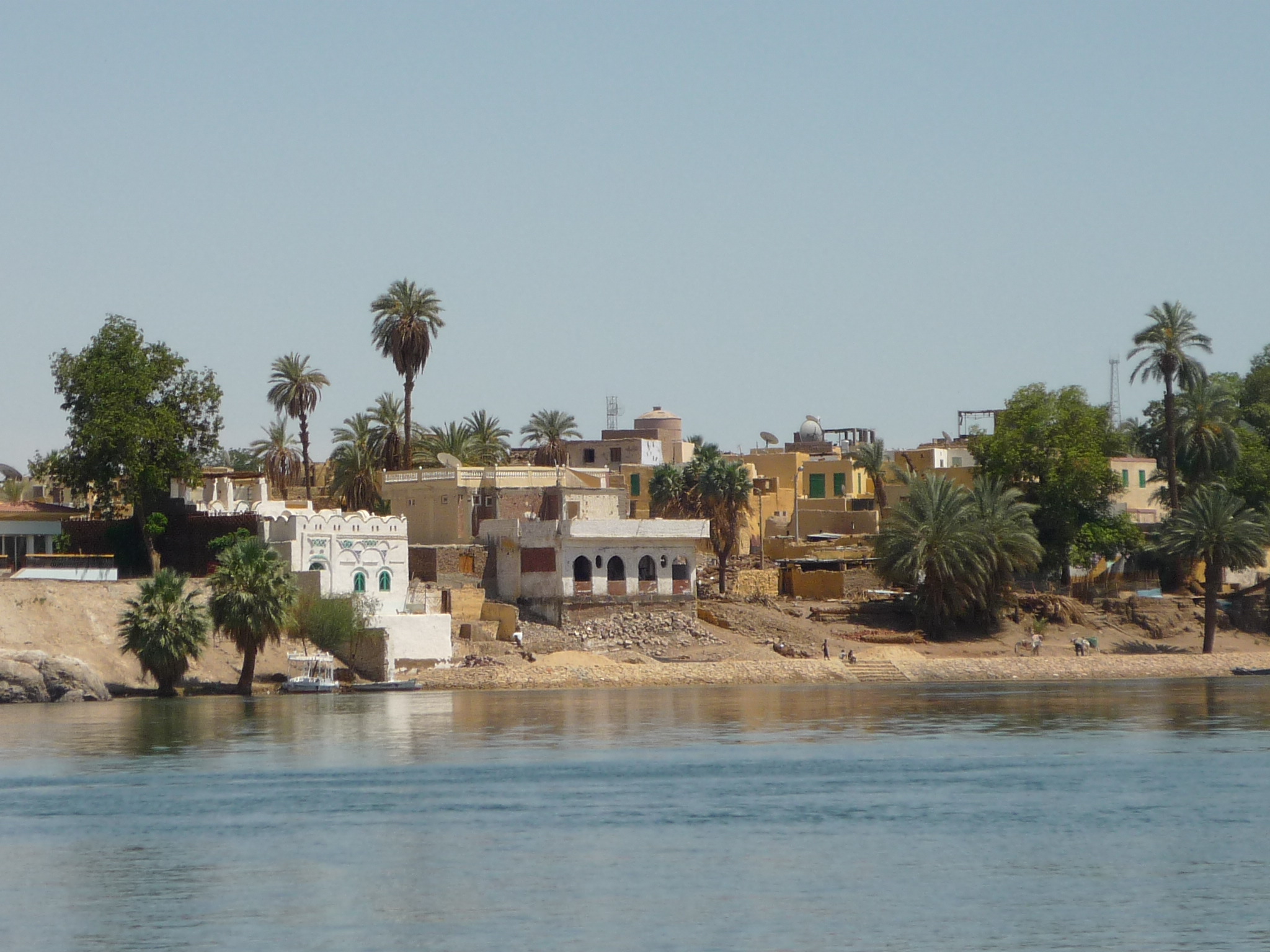
AswanElephantine Island, Aswan
Elephantine Island sits in the Nile opposite central Aswan and contains the Aswan Museum, the island Nilometer and the Temple of Khnum. We are a licensed Egyptian tour operator and we arrange private motorboat crossings and a licensed local guide for every visit. Unlike cruise-ship tenders that rush ashore, we schedule 2–3 hours so you can see the museum, walk to Khnum’s ruins and inspect the Nilometer without hurrying. Practical downsides: limited shade at midday, uneven ancient stone underfoot and a handful of steep steps. Entrance fees are standardly included; museum opening times vary by season.
From £4
 Aswan
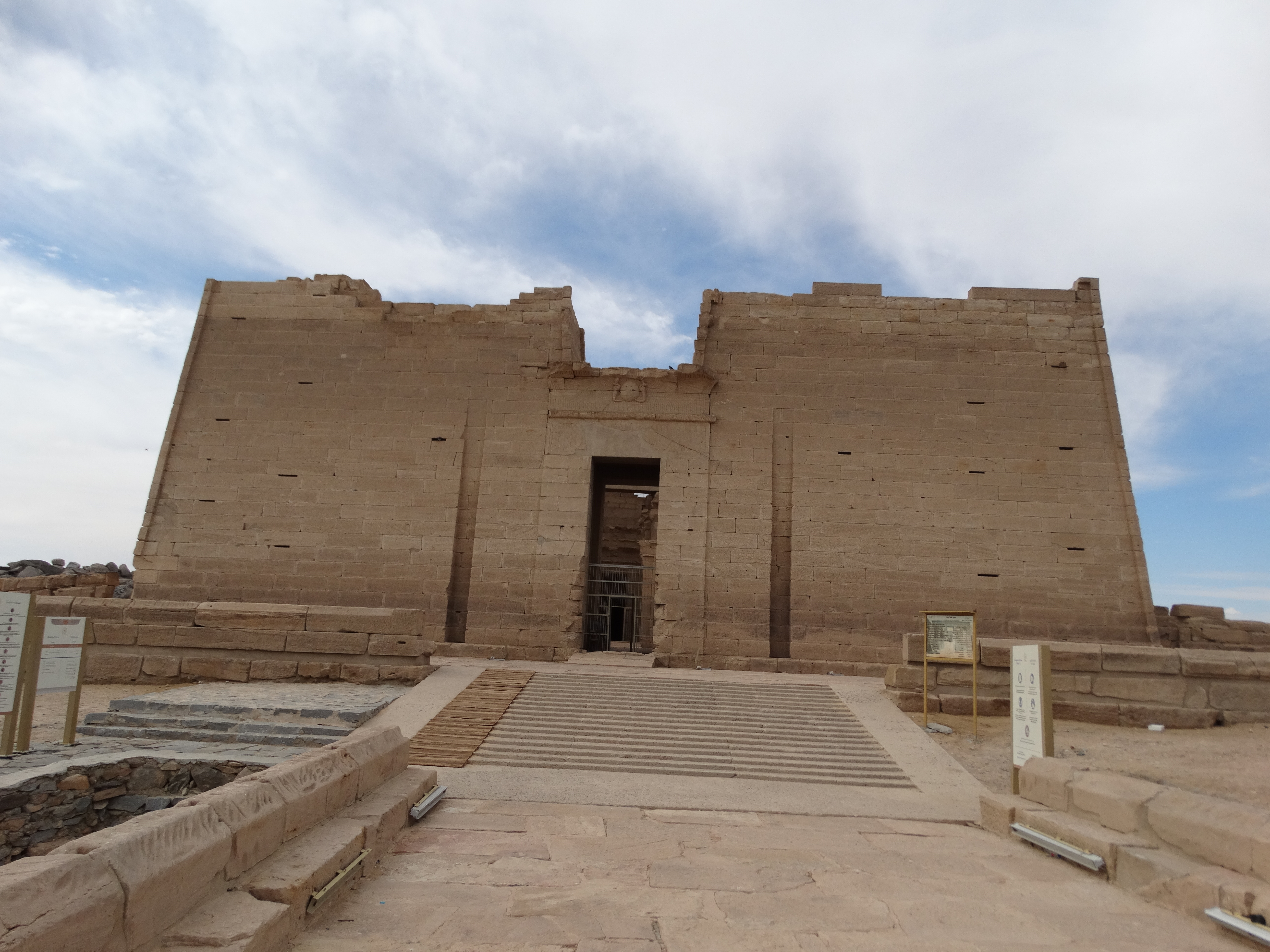
AswanKalabsha Temple, Aswan
Kalabsha Temple (Temple of Mandulis) is a Roman-period temple relocated to its present riverside site near Aswan during the 1960s Nubian monuments campaign. As a licensed Egyptian tour operator, we arrange private visits to Kalabsha with the site entrance included. We treat Kalabsha as a calm archaeological stop rather than a coach-group rush; unlike Philae, it generally receives fewer day-boat visitors. The temple shows readable reliefs from the Roman and Late Pharaonic periods and gives clear views across the relocated complex. Practical trade-offs: little shade at midday, limited interpretive signage, and walking on uneven ancient stone.
From £4
 Aswan
AswanAbu Simbel Temples – Sun Festival (22 Feb / 22 Oct)
See the twice-yearly solar alignment at Abu Simbel on 22 February or 22 October when sunlight reaches the inner sanctuary. The twin rock temples were carved for Ramses II and honour Amun‑Re and Ra. They were moved in 1964–1968 and form part of the UNESCO World Heritage 'Nubian Monuments from Abu Simbel to Philae'. Abu Simbel is approximately 280 km south of Aswan (about 3.5 hours by road). We are a licensed Egyptian tour operator and can arrange timed-entry tickets, private road transfers and an Egyptologist briefing when available. Unlike same-day coach runs, we recommend an overnight in Aswan to avoid very early road departures and rushed visits; expect limited shade at the forecourt and large crowds on festival dates.
From £27