Most visitors know Rosetta only as a name on a label in London. The town itself is small, calm and a little faded, with a river on one side and farmland on the other. It is a gentle contrast to Alexandria, and a good choice for anyone who has seen enough big sights.
The road east
The drive follows the coast, then the edge of the Delta, and takes around ninety minutes. You pass fields, fish farms and villages. Your guide can point out the changes in landscape and explain how the Nile reaches the sea, which makes the drive part of the day, not a gap in it.
Ottoman houses and a working past
Rosetta prospered as a port in the Ottoman period, and its merchants built tall brick houses with carved wooden screens at the windows. Several are restored and open to visit. Nearby are the Abu Shahin mill, where a wheel was once turned by animals, and the Azouz hammam, a traditional bathhouse.
The fort and the stone
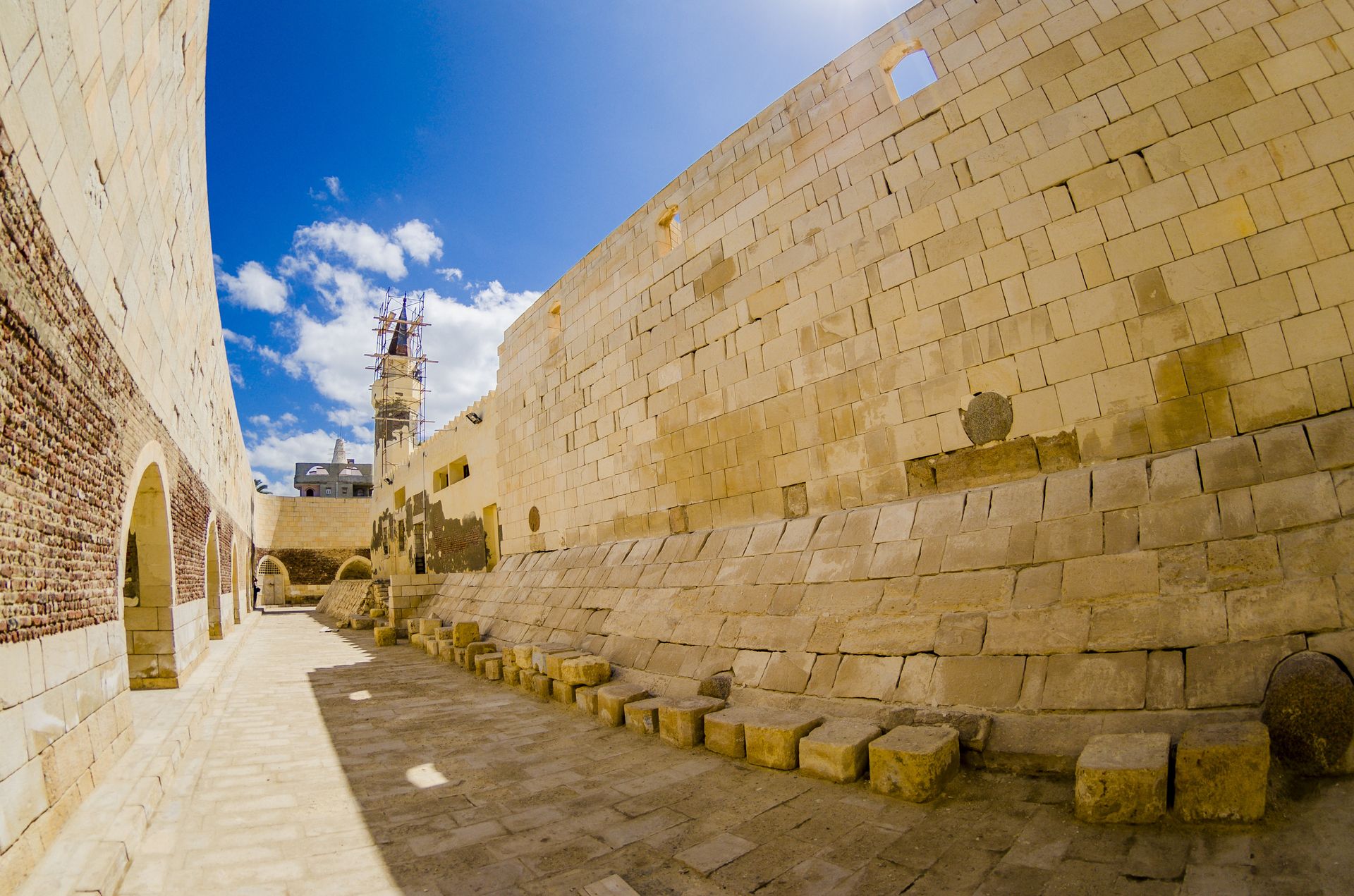
The fort on the riverbank is known as the Fort of Qaitbay, or Fort Julien by the French. In 1799 a French soldier found a slab of black stone in its walls. The text on it, in three scripts, helped scholars read hieroglyphs. After the French surrender, the stone went to the British Museum, where it still is.
Time at the river mouth
The tour leaves some time on the Nile bank near the mouth, where boats come and go. It is a quiet end to the visit, and a fair moment to buy a drink or ask your guide about life in the Delta.
- Drive east: about 1.5 hours.
- Old town and Ottoman houses: about two hours.
- Mill and hammam: about an hour.
- Fort and river bank: about an hour and a half.
- Drive back: about 1.5 hours.
How the stone came to Britain
The French army that landed in Egypt in 1798 held the Delta for a few years. In 1799 a soldier working on the old fort noticed the slab. After the French were defeated in 1801, the terms of surrender passed the stone to the British, who shipped it to London in 1802. It has been in the British Museum ever since, and it remains one of its most visited objects. Egyptians have long asked for its return, which is a debated subject.
Why Rosetta is worth a day
Rosetta shows a side of Egypt that few itineraries cover. The town was once a great port on the Nile, and its merchants built tall houses with delicate screens. Today it is quiet, and people go about their work with little fuss. If you like to walk, listen and look, you will find it rewarding. If you want big monuments, it may feel modest, so be clear about your expectations.
Rosetta is a conservative town, so dress modestly, with covered shoulders and knees. Bring sun protection, a bottle of water and small notes for tips and snacks. A light scarf is useful both for the sun and for visiting a mosque. Comfortable shoes are important, since the old lanes are uneven and the houses have steep stairs.
The trip is private, with a car and guide. Open the page for included tickets, pick-up options and booking details.
Plan with us
Rosetta, the town behind the famous stone: a day east of Alexandria
Rosetta lies about an hour and a half east of Alexandria. See the Ottoman houses, the fort where the Rosetta Stone was found and what the day involves.