Alexandria National Museum
Admission to permanent galleries spanning Pharaonic to Islamic periods, with access to temporary exhibitions when scheduled. Opening hours vary seasonally.
At a glance
- Departs
- Daily
The short answer
Alexandria National Museum Entry Ticket grants admission to the museum in Alexandria, booked and arranged by Discovery Tours Egypt.
- Cultural
- Archaeology & history
Snapshot
Good to know
- Time to allow
- Self-paced
- Travel style
- Self-Guided Entry
- Arranged by
- Arranged by Discovery Tours Egypt
- Destinations
- Alexandria National Museum
- Includes
- Admission to Alexandria National Museum · Access to permanent galleries · Access to temporary exhibition spaces when open · PDF ticket delivered by email
- Best for
- Museum visitors · History enthusiasts · Independent travellers
Best time to go
October to April is generally milder in Alexandria, with typical daytime temperatures around 18–25°C; summer days can reach roughly 28–31°C. In summer, the museum makes a useful indoor stop, but check seasonal opening hours and consider arriving early. During Ramadan and public holidays, hours and visitor numbers may change, so confirm the official schedule before setting out.
- Discovery Tours Egypt is a licensed Egyptian tour operator.
- The ticket includes admission to the museum’s permanent galleries.
- Temporary exhibition spaces are included when exhibitions are scheduled.
- The ticket is delivered as a PDF attachment by email after booking confirmation.
- A guided visit and transport are not included.
- The museum’s opening hours and photography policies are not assumed; visitors are advised to confirm current rules.
02Overview
A first look
The National Museum's galleries run chronologically from Pharaonic Egypt to the Ottoman era. Plan 60–90 minutes for a solo visit; add one of our Egyptologists if you want detailed context.
Background
The facts
Alexandria National Museum is a city museum in central Alexandria, Egypt. Its collections trace the city’s history and the wider Egyptian world through objects from the Pharaonic, Hellenistic, Roman, Coptic and Islamic periods. The entry ticket covers the permanent galleries and temporary exhibition spaces when exhibitions are scheduled.
Alexandria was founded by Alexander the Great in 331 BCE and developed as a Mediterranean port. Its history includes Hellenistic and Roman rule, followed by Christian and Islamic eras. The museum’s objects provide material context for these successive periods and for Alexandria’s role in Mediterranean trade and culture.
Admission is self-guided; a guided visit is not included. Opening hours vary seasonally, so check the museum’s official information before visiting. Photography rules can vary by gallery or exhibition; confirm the policy at the entrance. The museum is indoors, and the PDF ticket is sent by email after booking. Check whether a paper copy is required and print it if in doubt.
Named in this entry
Alexandria National Museum·Alexandria·Alexander the Great·Mediterranean Sea·Pharaonic Egypt·Hellenistic period·Roman Egypt·Coptic Christianity·Islamic Egypt·Bibliotheca Alexandrina·Alexandria Corniche
Suited to
Is this for you?
Yes, if
- This ticket suits history-minded travellers, couples and families with school-age children who want a flexible, self-guided museum visit in Alexandria. It also works for visitors fitting indoor sightseeing around nearby landmarks such as the Corniche or Bibliotheca Alexandrina.
Maybe not, if
- Choose another option if you need a hosted visit or transport included, as this ticket covers museum admission only. It may also be less convenient for visitors who need confirmed step-free access throughout the galleries.
What lingers
- 01Houses artefacts spanning Pharaonic, Hellenistic, Roman, Coptic and Islamic periods.
- 02Displays coins, sculpture and daily-life objects illustrating Alexandria's Greco-Roman multicultural history.
- 03Ground-floor galleries explain Alexander the Great's Hellenistic legacy and the Ptolemaic dynasty's role in Alexandria.
- 04Our Egyptologists often pair the museum with Pompey's Pillar and Kom El Shoqafa on half-day Alexandria itineraries.
- 05Where possible we schedule visits before coach arrivals to reduce crowds in the galleries.
- 06Located in central Alexandria near Mansheya; 15–20 minute walk from the Corniche and eastern harbour.
Worth knowing
How this compares
Many museum admission tickets cover entry only; this ticket also includes access to temporary exhibition spaces when they are scheduled. This is admission for a self-guided visit, not a guided museum visit.
The fine print
What's included – and what is left out
Included
- Admission ticket to Alexandria National Museum
- PDF ticket emailed once your booking is made
Not included
- Professional specialist-led visit, which must be booked separately if required
- Transport to and from the museum
- Food and drinks
- Photography permit, if required by the museum; check the policy at the entrance
- Printed ticket; some venues require a paper copy, so print your PDF if unsure
Field notes
From our Egyptologists
- 01
Check the museum’s official information shortly before visiting, as opening hours can vary seasonally.
- 02
Ask at the entrance whether photography is allowed in the galleries or any temporary exhibition.
- 03
Print the emailed PDF if you are unsure whether the museum accepts tickets displayed on a phone.
- 04
Consider pairing the museum visit with a walk along the Corniche or a visit to the Bibliotheca Alexandrina.
Tailor it
Make it yours
This is an entry-only ticket, with no hosted visit or transport included. You can keep the museum visit self-paced, then arrange separate visits to the Corniche or Bibliotheca Alexandrina; check availability and terms for any additional bookings.
Your own specialist deals with each request before you book.
Where it fits
The museum fits well into a day exploring central Alexandria, alongside the Bibliotheca Alexandrina and the Corniche. It also adds context on the city’s Pharaonic, Hellenistic, Roman, Coptic and Islamic periods before a visit to its ancient sites.
While you're here
Worth pairing
- Bibliotheca Alexandrina25 min walk
- Alexandria Corniche12 min walk
- Catacombs of Kom el Shoqafa3 km
- Pompey's Pillar3 km
Why book this with us
Three reasons, stated plainly
01
PDF admission ticket sent after booking confirmation
02
Permanent galleries span five periods of Egyptian history
03
Indoor museum visit in Alexandria, away from midday sun
·In summary
Founded by Alexander the Great in 331 BCE, Alexandria developed as a Mediterranean port whose history is reflected in the museum’s collections. The galleries cover Pharaonic, Hellenistic, Roman, Coptic and Islamic periods; temporary exhibitions are accessible when scheduled.
Asked & answered
Frequent questions
01What will I see at the Alexandria National Museum?
The museum presents artefacts from Pharaonic, Hellenistic, Roman, Coptic and Islamic periods in chronological galleries. The displays include statues, coins, funerary items and mosaics that trace Alexandria's changing role from the Ptolemaic era onwards. The layout is compact, so you get a broad historical overview without long walks between galleries. Expect explanatory labels in English and Arabic; our Alexandria guides can add archaeological context if you book one with your ticket.02How long should I allow for a visit?
Plan 60–90 minutes for a focused visit and two to three hours with a guide. The museum is compact but dense with small objects and explanatory panels, so readers move more slowly. If you combine the museum with nearby sites, allow a half-day to avoid rushing between stops. We typically schedule museum visits in the morning when light and temperature in the city are cooler.03Do I need to book tickets in advance?
Advance tickets are recommended during high season and cruise-ship arrival days to avoid queues. We can pre-book timed-entry tickets and confirm them with you before travel; standard site entrance fees are included when we supply the ticket unless stated otherwise. Last-minute walk-ins are possible outside peak periods, but you may face security checks and short waits at the desk. Unlike tight cruise shore excursions, we schedule flexible time so you are not rushed.04Are English-speaking guided tours available?
Licensed English-speaking guides are available on request and can be booked with your ticket. Our Alexandria-based guides explain the Ptolemaic and Roman contexts and link objects in the museum to nearby archaeology such as Kom el-Dikka. Guides also speed up security procedures and often secure additional access to some exhibits. If you want a specialist (archaeology, numismatics), tell us at booking and we will recommend a suitable guide.05Can I take photographs inside the museum?
Photography without flash is usually permitted for personal use; tripod and commercial photography normally require prior permission. Museum staff can advise on camera fees or written permits at the entrance desk. We can arrange formal photo permits for press or commercial shoots, but these require advance approval and additional charges. Always respect signs on individual cases–some sensitive objects prohibit any photography.06Is the museum suitable for children and pushchairs?
The Alexandria National Museum is generally suitable for children but has some narrow display areas and staircases. Exhibits are compact and engaging for school-age children; pushchair access may be limited in parts of the building and some displays are reached by short flights of steps. We can arrange a shorter, child-focused guided visit or suggest nearby open-air sites for younger children. Bring water and plan for short rests–there is limited seating in the galleries.07Can I combine this visit with other Alexandria sites?
Yes – the museum pairs well with the Bibliotheca Alexandrina, the Catacombs of Kom el-Shoqafa, and Qaitbay Fortress in a half-day or full-day. Road distances and city traffic mean you should expect short transfers between sites; we usually start early to avoid congestion. If you arrive on a cruise ship, tell us your tender schedule so we can coordinate timing and avoid rushed itineraries. We can provide private transport and an Alexandria guide for a seamless combined visit.
Last updated 18 March 2026Product ID: TKT-ALX-610906
You Might Also Like
 Alexandria
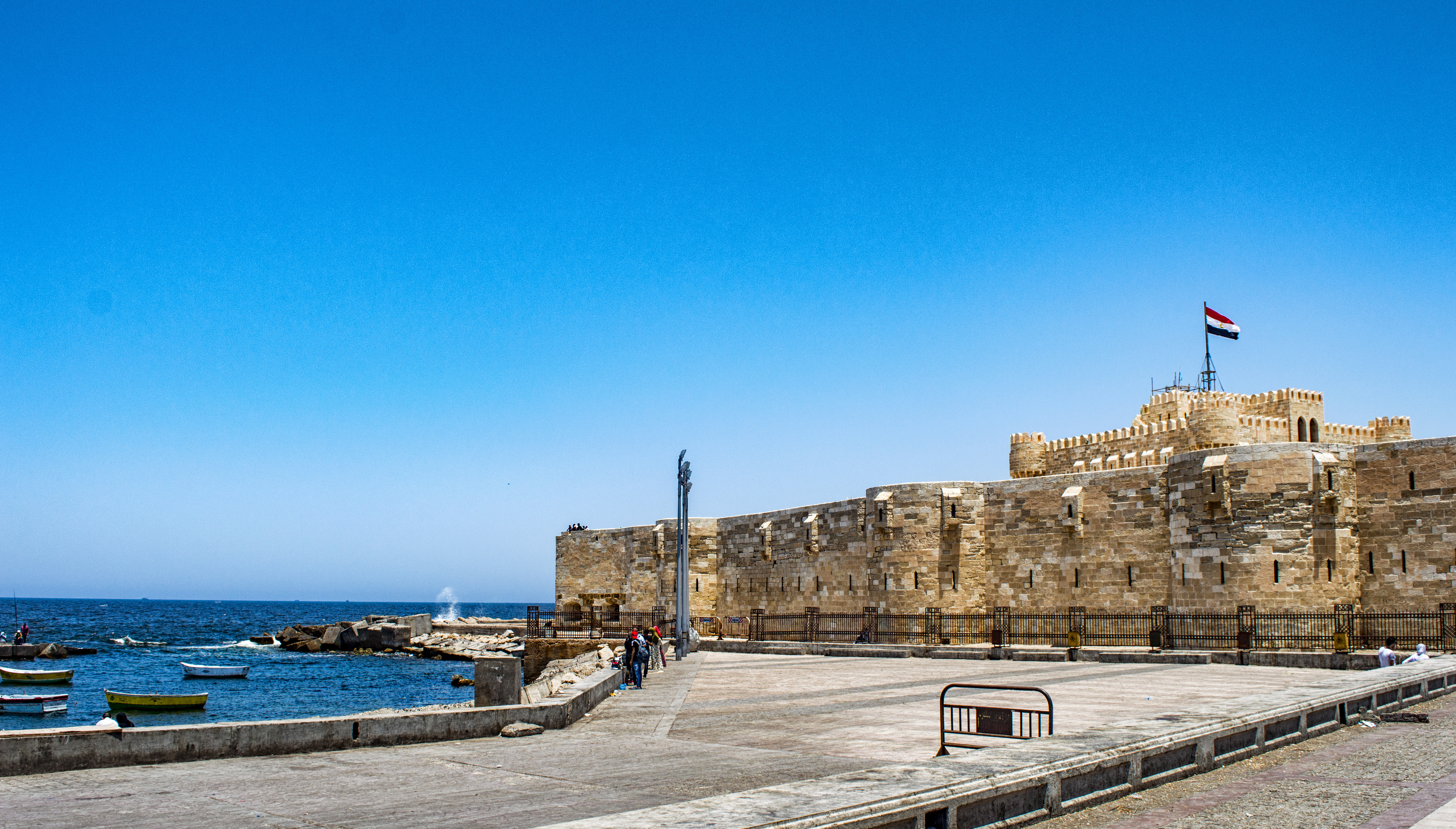
Qaitbay Citadel, Alexandria
Qaitbay Citadel is a 15th-century fortress built by Sultan Al-Ashraf Sayf al-Din Qa'it Bay in 1477 on the site of the Lighthouse of Alexandria (Pharos). As a licensed Egyptian tour operator, we treat the citadel as a 45–90 minute visit and do not run long coach tours here. Unlike Montaza Palace, Qaitbay occupies the original Pharos promontory and faces the Mediterranean directly. Expect uneven stone steps, narrow ramparts and limited shade at midday; occasional sea spray reaches the lower bastions on windy days. We commonly combine this short visit with the Corniche and a stop at the Bibliotheca Alexandrina.
From £4
 Alexandria
Rosetta (Rashid) Archaeological Area
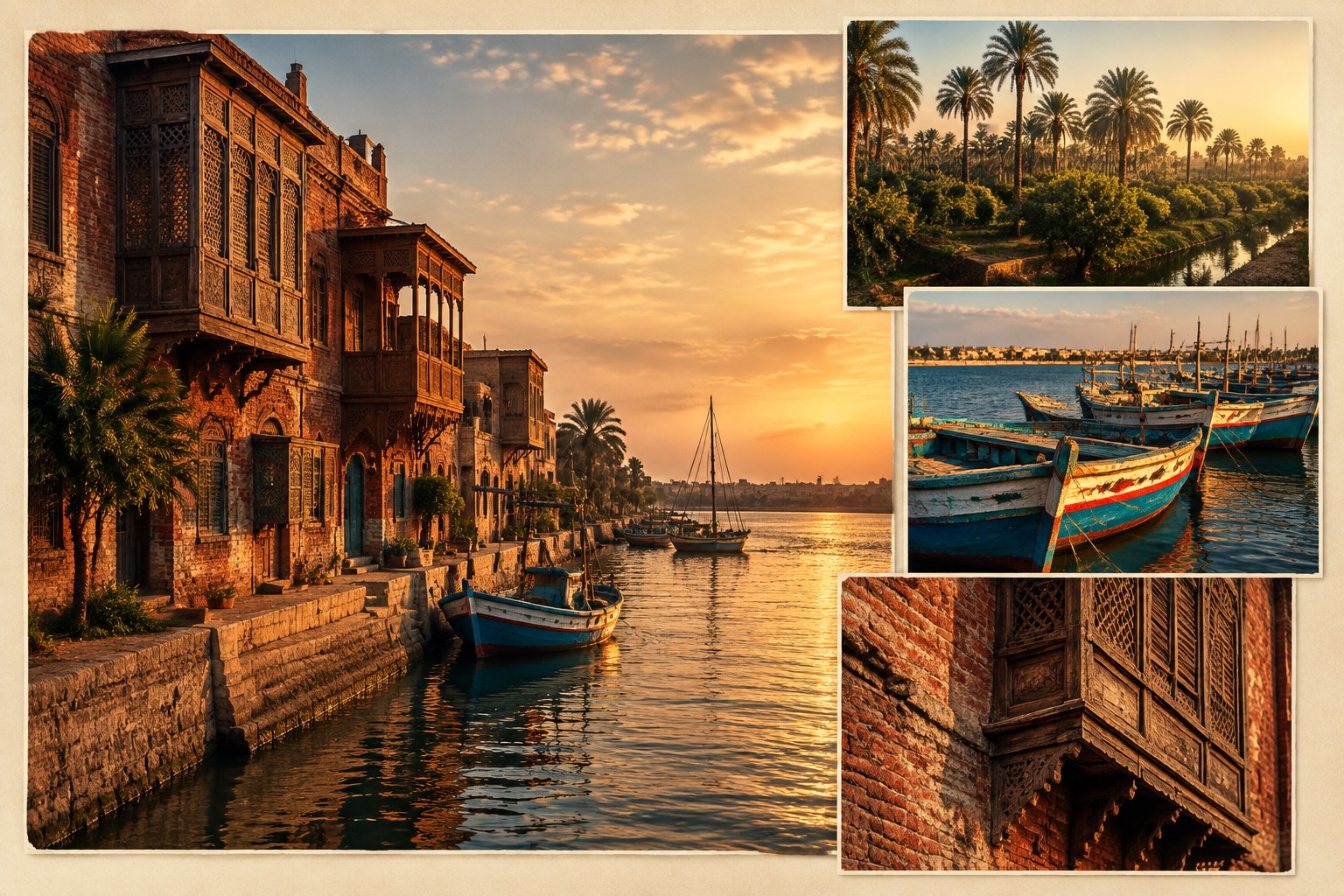
We are a licensed Egyptian tour operator offering private visits to the Rosetta Archaeological Area in Rashid. Fort Julien is the 1799 findspot of the Rosetta Stone; the original is now in the British Museum. We do not treat Rosetta as a 45‑minute add‑on; we plan a three‑ to four‑hour guided visit so you can see Fort Julien, the old town and the Nile frontage properly. Unlike visits that centre on Cairo's museums, Rosetta shows the local setting that explains the Stone's multilingual inscriptions. Expect cobbled streets, limited shade and basic facilities; modest dress is required for mosque visits.
From £3
 Alexandria
Royal Jewelry Museum, Alexandria
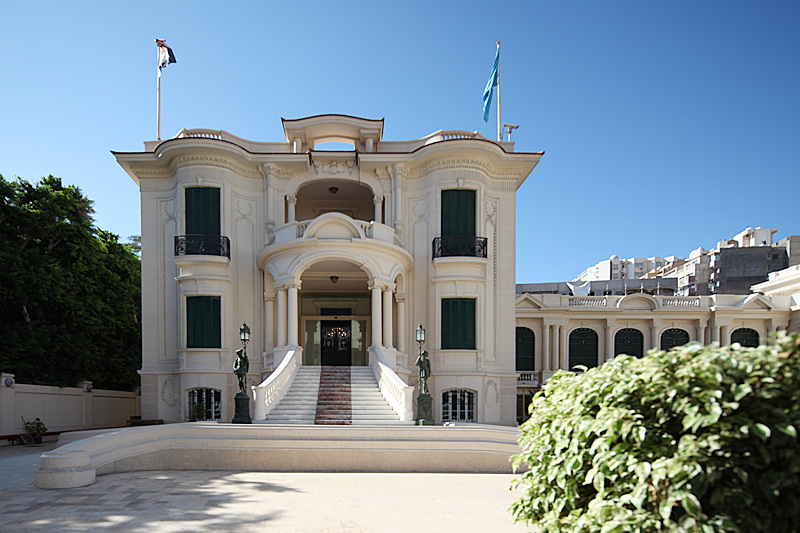
The Royal Jewelry Museum in Alexandria displays the personal jewellery and belongings of Egypt's royal family, chiefly the Muhammad Ali dynasty. As a licensed Egyptian tour operator, we include the museum entrance ticket in this booking and can add a private transfer from Cairo. We only operate private visits with a local Egyptologist or guide; we do not run large coach tours. Unlike many cruise-ship shore excursions that allow 45–60 minutes, we schedule 90–120 minutes so you can view cases and labels properly. Note: low light levels protect the objects and photography may be restricted in some rooms.
From £9