Rosetta (Rashid) Archaeological Area
Admission to the Rosetta site, including Fort Julien and archaeological remains from Pharaonic, Hellenistic and Ottoman periods.
At a glance
- Departs
- Daily
The short answer
Rosetta Archaeological Area Entry Ticket grants admission to the site in Rosetta, in the Alexandria region, and is arranged through Discovery Tours Egypt.
- Archaeology & history
- Cultural
Snapshot
Good to know
- Time to allow
- Self-paced
- Travel style
- Self-Guided Entry
- Arranged by
- Arranged by Discovery Tours Egypt
- Destinations
- Rosetta Archaeological Area
- Includes
- Entry to the Rosetta Archaeological Area · Access to Fort Julien · Access to surrounding river-front ruins · Access to public archaeological display areas · Admission to the site entrance gate
- Best for
- History enthusiasts · Independent visitors · Archaeology travellers · Visitors to Alexandria
Best time to go
October to April is generally more comfortable for outdoor walking, with typical daytime temperatures around 18–27°C in the Nile Delta. Summer is hotter and humid, often around 28–32°C, so an early visit is preferable; weekdays and earlier hours are usually quieter. During Ramadan and public holidays, check current opening and last-admission times before travelling.
- Discovery Tours Egypt is a licensed Egyptian tour operator.
- The Rosetta Archaeological Area entry ticket is the stated inclusion.
- Tickets are sent by email as a PDF after booking confirmation.
- Transport, meals and personal expenses are excluded.
- Photography permits, if required at the entrance, are excluded.
02Overview
A first look
Rosetta (Arabic: Rashid) sits on the western branch of the Nile Delta, about 70 km east of Alexandria (approx 1.5-hour drive). Fort Julien, where French soldiers found the Rosetta Stone in 1799, lies within the archaeological area.
Background
The facts
Rosetta Archaeological Area is a heritage site in Rosetta, also known as Rashid, in the Nile Delta. The site includes Fort Julien and archaeological remains associated with the town’s history as a fortified settlement near a Nile branch and the Mediterranean coast.
Fort Julien is associated with the discovery of the Rosetta Stone in 1799, during the French campaign in Egypt. The archaeological remains reflect several historical periods, including Pharaonic, Hellenistic and Ottoman contexts.
The entry ticket grants access to the entrance gate and public archaeological display areas. Opening hours and last admission vary seasonally; check current information from the site authority before travelling and allow time for the entrance security check. Photography rules may vary, so confirm them at the entrance.
Named in this entry
Rosetta Archaeological Area·Rosetta·Rashid·Fort Julien·Rosetta Stone·Nile Delta·Nile·Mediterranean Sea·Alexandria
Suited to
Is this for you?
Yes, if
- This entry ticket suits adults and older children with an interest in archaeology, the Rosetta Stone and Egypt’s Ottoman-era history. It is a self-guided visit for travellers comfortable walking outdoors over uneven ground.
Maybe not, if
- Choose a museum visit instead if you need smooth, step-free paths throughout. The site is also less suitable for visitors who want a structured, specialist-led explanation included with admission.
What lingers
- 01Site where the Rosetta Stone was found (1799) in Fort Julien; original stele is in the British Museum.
- 02Fort Julien's coastal masonry survives from seventeenth–nineteenth-century rebuilds; clear views over the Rashid branch of the Nile.
- 03Local town retains Ottoman-era houses, traditional boat traffic and an active fish market near the harbour.
- 04Key to hieroglyph decipherment: Champollion used the Rosetta Stone inscriptions to publish his system in 1822.
- 05Smaller visitor infrastructure than central Alexandria; limited shade and uneven paving–bring sun protection and closed shoes.
Worth knowing
How this compares
Unlike combined heritage packages, this ticket covers site admission only. We arrange the entry ticket through Discovery Tours Egypt; transport and specialist-led visits are separate.
The fine print
What's included – and what is left out
Included
- Entry ticket to the Rosetta Archaeological Area
Not included
- A professional Egyptologist or specialist-led visit, which must be booked separately
- Transport to and from the site
- Meals and personal spending
- Photography permit, if required at the entrance
Field notes
From our Egyptologists
- 01
Print the emailed PDF if you are unsure whether the entrance accepts tickets displayed on a phone.
- 02
Arrive early to leave time for the entrance security check.
- 03
Ask at the entrance about photography rules before taking pictures.
- 04
Wear shoes suitable for walking around archaeological remains and uneven ground.
Tailor it
Make it yours
No ticket customisations are specified. A specialist-led visit, transport to Rosetta and any required photography permit must be arranged separately.
Your own specialist deals with each request before you book.
Where it fits
Rosetta fits as a historical side visit from Alexandria, paired with time in the city’s museums and Roman-era sites. Allow extra time for the journey to Rosetta and check the archaeological area’s seasonal opening hours before setting out.
While you're here
Worth pairing
- Rosetta National MuseumRight here
- Abu Shahin MillRight here
- Amasyali HouseRight here
Why book this with us
Three reasons, stated plainly
01
Ticket arranged for the documented Rosetta Stone find-spot
02
PDF ticket delivered by email after booking confirmation
03
Admission covers Fort Julien and surrounding archaeological remains
·In summary
Fort Julien at Rosetta is associated with the 1799 discovery of the Rosetta Stone. Admission covers the public archaeological display areas; opening hours and last admission vary by season.
Asked & answered
Frequent questions
01How do I get to Rosetta Archaeological Area from Alexandria?
By road: Rosetta (Rashid) lies west of Alexandria on the Nile Delta coast; most visitors travel there by private car or taxi. Public buses and shared minibuses run but services are infrequent and can be slow. As a licensed Egyptian tour operator, we can arrange a private transfer from Alexandria or Cairo and a licensed local guide to meet you at the site.02Can I visit the Rosetta Archaeological Area on a day trip from Cairo?
Yes – many visitors combine Rosetta (Rashid) with a Cairo stay as a day trip. It requires an early departure and an extended road transfer, so you will have limited time on site. Unlike Alexandria’s Bibliotheca Alexandrina, Rosetta is a quieter, small-town archaeological visit; we time itineraries so you see the key finds and the local souq efficiently.03Is the Rosetta Stone still at Rosetta?
No – the Rosetta Stone was found in Rashid (Rosetta) in 1799 and has been on display at the British Museum since the 19th century. At Rashid you can visit the find‑spot area and town heritage that explain the Stone’s discovery and its role in deciphering hieroglyphs. We include local interpretation so the historical context is clear even though the original artefact is abroad.04Are there toilets and cafés at Rosetta Archaeological Area?
Facilities are limited; expect basic public toilets and small local cafés in Rashid rather than a full visitor centre. Bring bottled water and hand sanitiser because on‑site amenities are simple. If you prefer greater comfort, we can schedule the visit to include a licensed hotel café in Alexandria before or after the site visit.05Is the Rosetta Archaeological Area wheelchair accessible?
Accessibility is variable: many streets and archaeological surfaces around Rashid are uneven cobbles, sand or low steps. Some modern waterfront areas and shops are more accessible, but the archaeological zones often lack ramps and firm paths. We can advise the best routes, arrange step‑free transport and provide a helper where possible, but full wheelchair access cannot be guaranteed.06What should I bring and wear for visiting Rosetta Archaeological Area?
Bring sun protection, a sun hat, sunscreen, plenty of water, comfortable closed shoes and modest clothing for mosque visits. Light layers help against coastal breezes; a lightweight scarf is useful for entering religious sites. Also carry spare camera batteries, insect repellent near the Nile, and small change for local purchases.
Last updated 8 March 2025Product ID: TKT-ALX-875019
You Might Also Like
 Alexandria
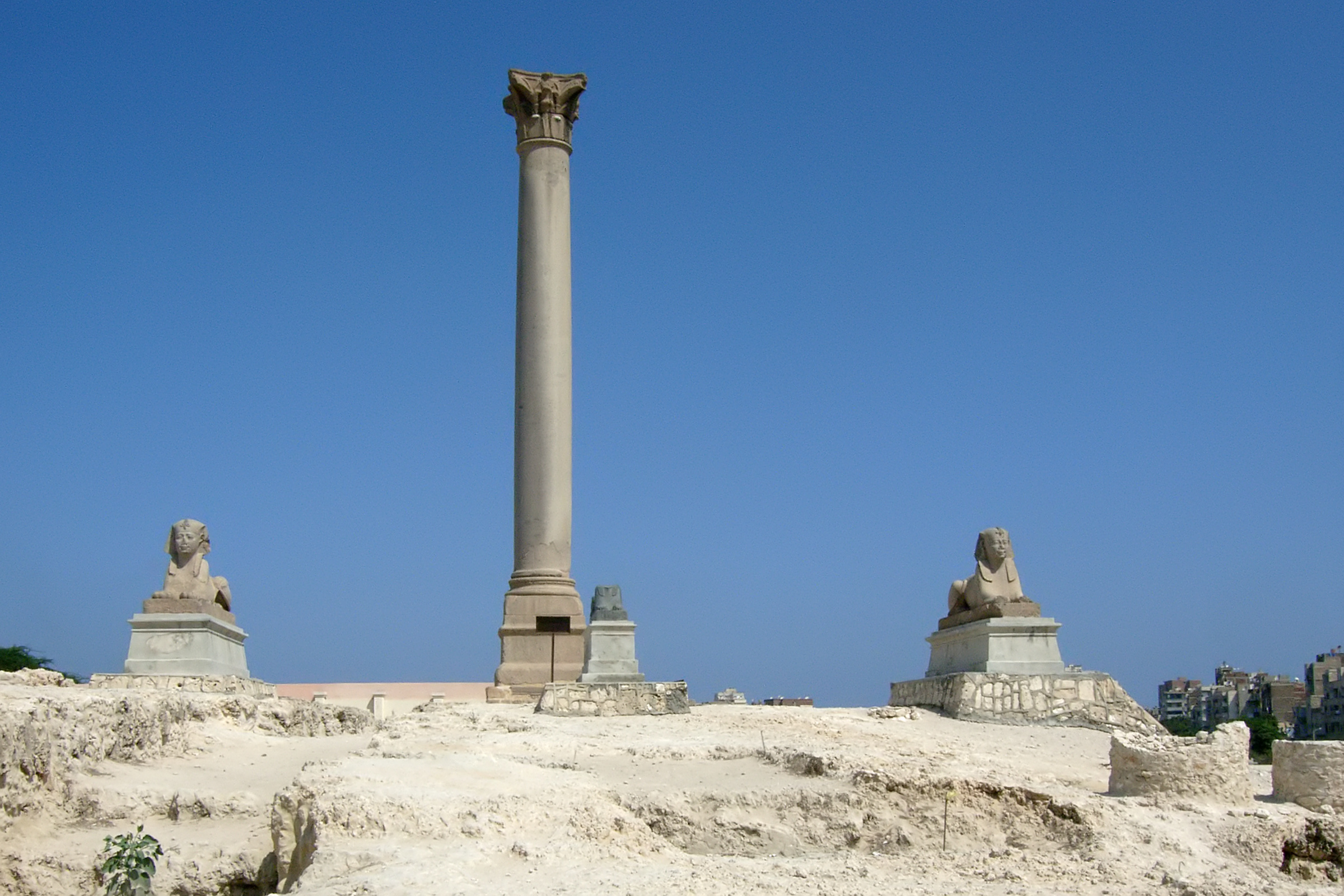
Pompey's Pillar Entry Ticket
Pompey's Pillar is a Roman column in Alexandria, about 29.6 metres tall including its base. Despite its familiar name, it dates to the 3rd century AD and is not associated with Pompey. This ticket grants single-entry access to the monument and the immediate site around the column. The granite shaft and surviving capital can be viewed from the monument plaza. Opening hours and last-admission times vary seasonally, so check the official site before travelling. Photography rules, security checks and temporary closures are set by the site authority. Access is arranged through Discovery Tours Egypt, and the ticket arrives as a PDF by email after booking.
From £7
 Alexandria
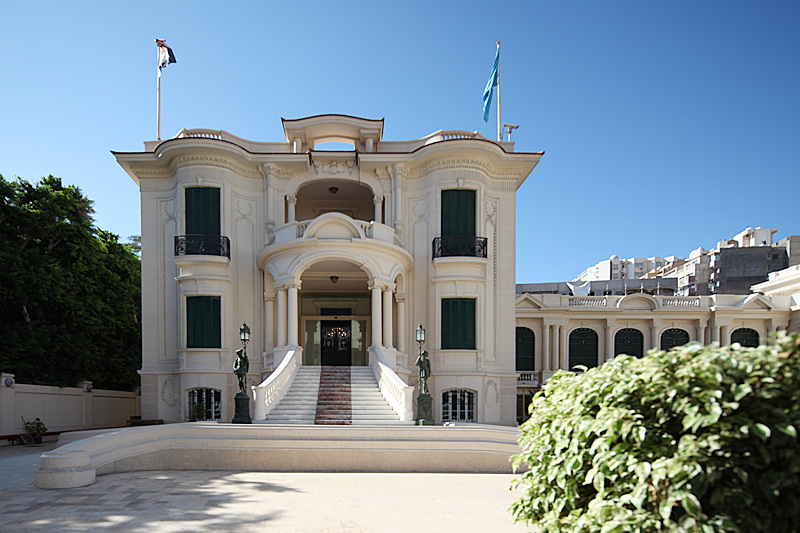
Royal Jewelry Museum, Alexandria
The Royal Jewelry Museum in Alexandria displays the personal jewellery and belongings of Egypt's royal family, chiefly the Muhammad Ali dynasty. As a licensed Egyptian tour operator, we include the museum entrance ticket in this booking and can add a private transfer from Cairo. We only operate private visits with a local Egyptologist or guide; we do not run large coach tours. Unlike many cruise-ship shore excursions that allow 45–60 minutes, we schedule 90–120 minutes so you can view cases and labels properly. Note: low light levels protect the objects and photography may be restricted in some rooms.
From £9
 Alexandria
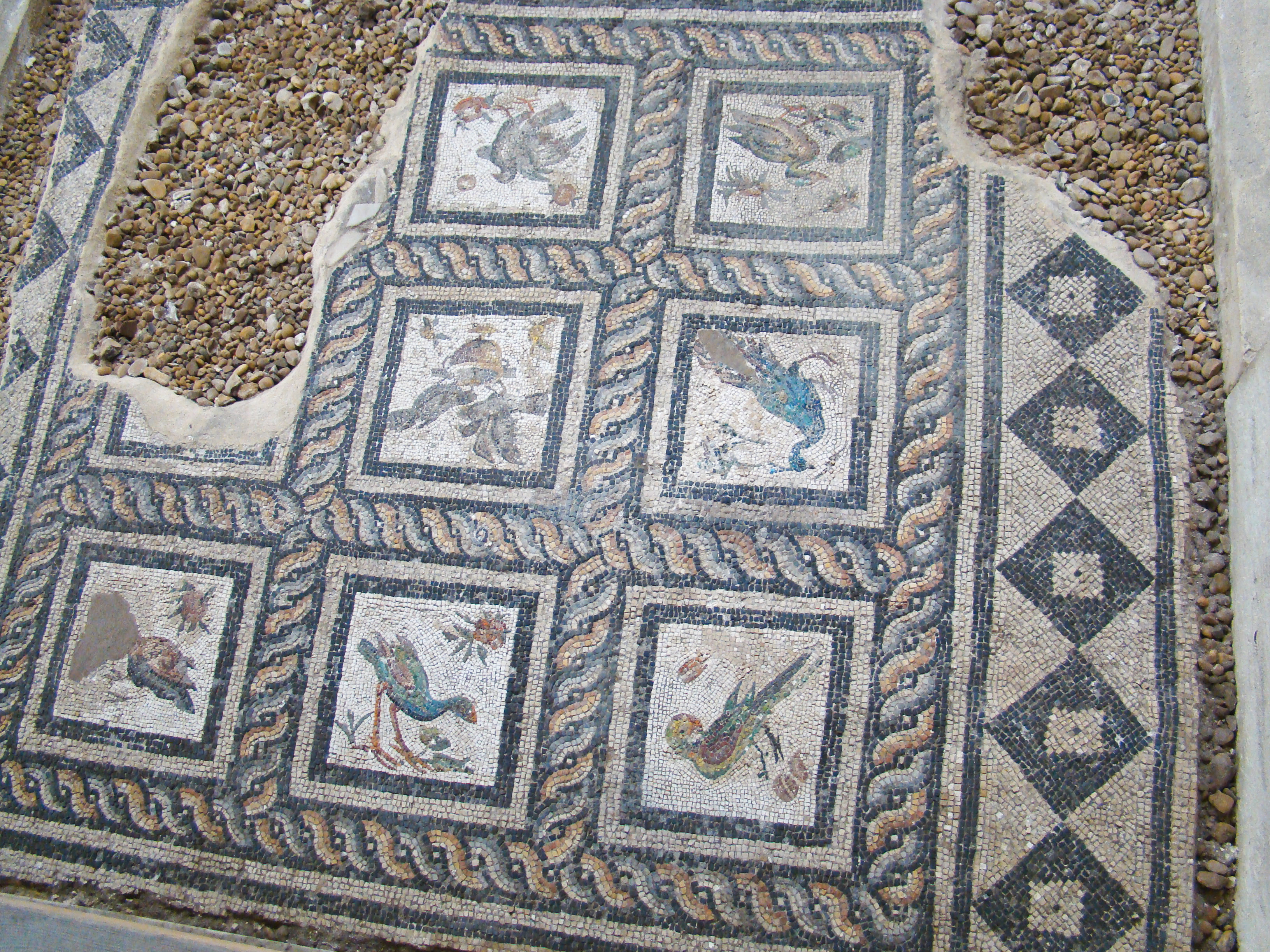
Kom el‑Dikka Roman Theatre, Alexandria
Kom El Dikka is an archaeological ensemble in central Alexandria featuring a small Roman theatre, late‑Roman houses and a bath complex. We arrange timed‑entry tickets and guided visits led by our Alexandria Egyptologists; entrance is included in the ticket price. We avoid rushed coach stopovers and run private or small‑group walks that last 30–45 minutes. Unlike visits focused on the Bibliotheca Alexandrina, Kom El Dikka shows urban Roman domestic life through mosaic pavements and private reception rooms. Practical note: the site is exposed with limited shade and uneven stone floors, so morning or late‑afternoon visits are more comfortable.
From £4